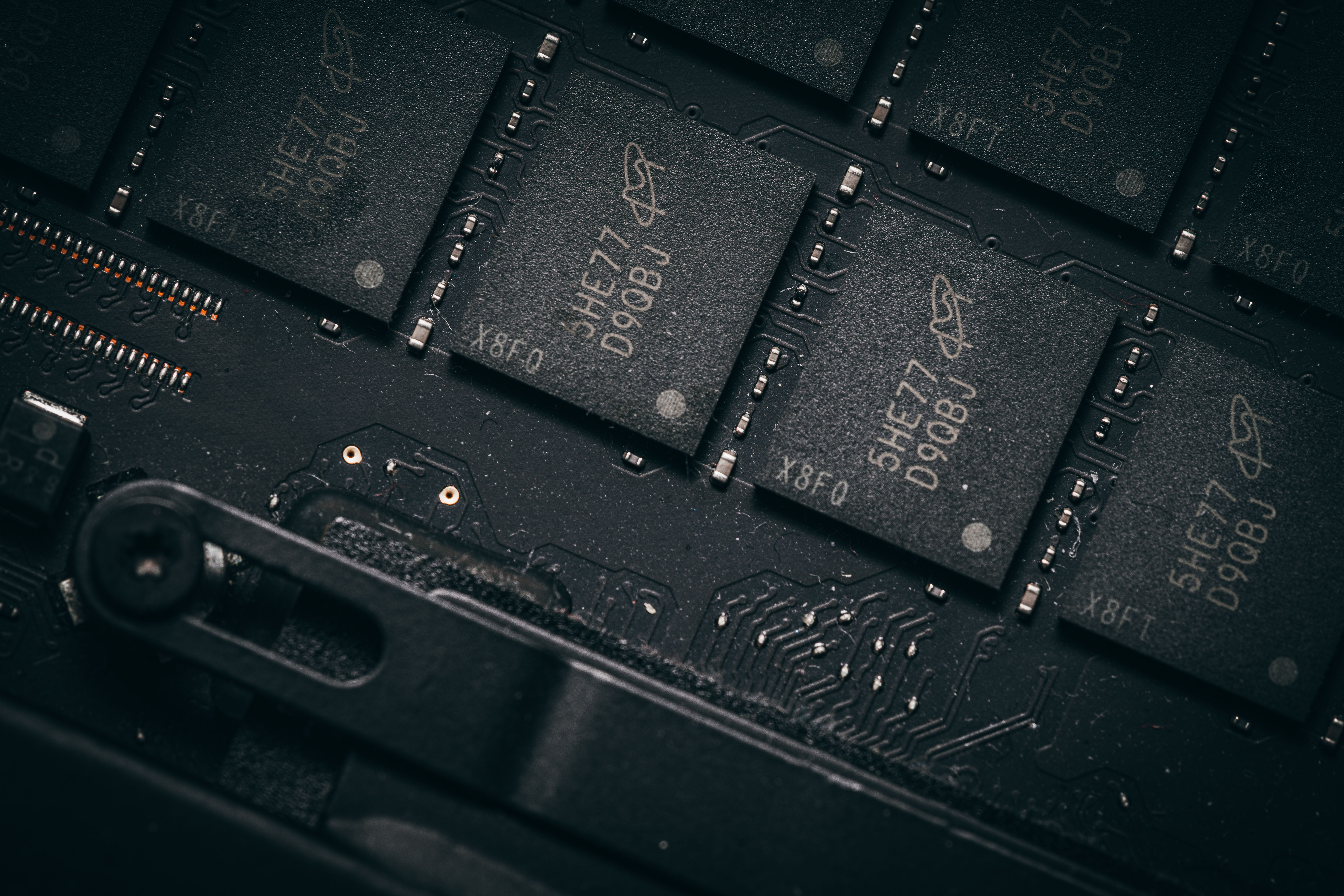
Samsung has outlined an AI memory strategy that extends beyond faster chips to shared memory capacity and more efficient storage. At the OCP Global Summit 2026, the company demonstrated a CXL-based memory expansion solution with AMD and showcased technologies including HBM5, customised high-bandwidth memory, and enterprise SSDs.
The Korea Times reports that the demonstration used Samsung’s CMM-D memory pooling technology to let multiple systems share memory more flexibly during AI inference. The announcement concerns infrastructure for running AI models, rather than an upgrade to consumer phones or laptops.
Faster memory is only part of the plan
The strategy addresses three connected problems: moving data quickly, providing enough working memory, and storing information efficiently. Increasing bandwidth alone doesn’t solve every bottleneck as models grow and need to retain more information while generating responses.
At the summit, Samsung presented HBM5 and customised HBM alongside processing-in-memory technology. The latter performs certain calculations within memory chips, with the aim of reducing transfers between memory and processors and improving energy efficiency. These are technology directions and demonstrations, not evidence that every component is commercially available.
The broader approach builds on Samsung’s August presentation at FMS 2026. In that official account, the company described rising memory bandwidth and capacity demands alongside constraints from power consumption, heat, and data movement. Its proposed response included vertically integrating logic, memory, and storage through 3D architectures.
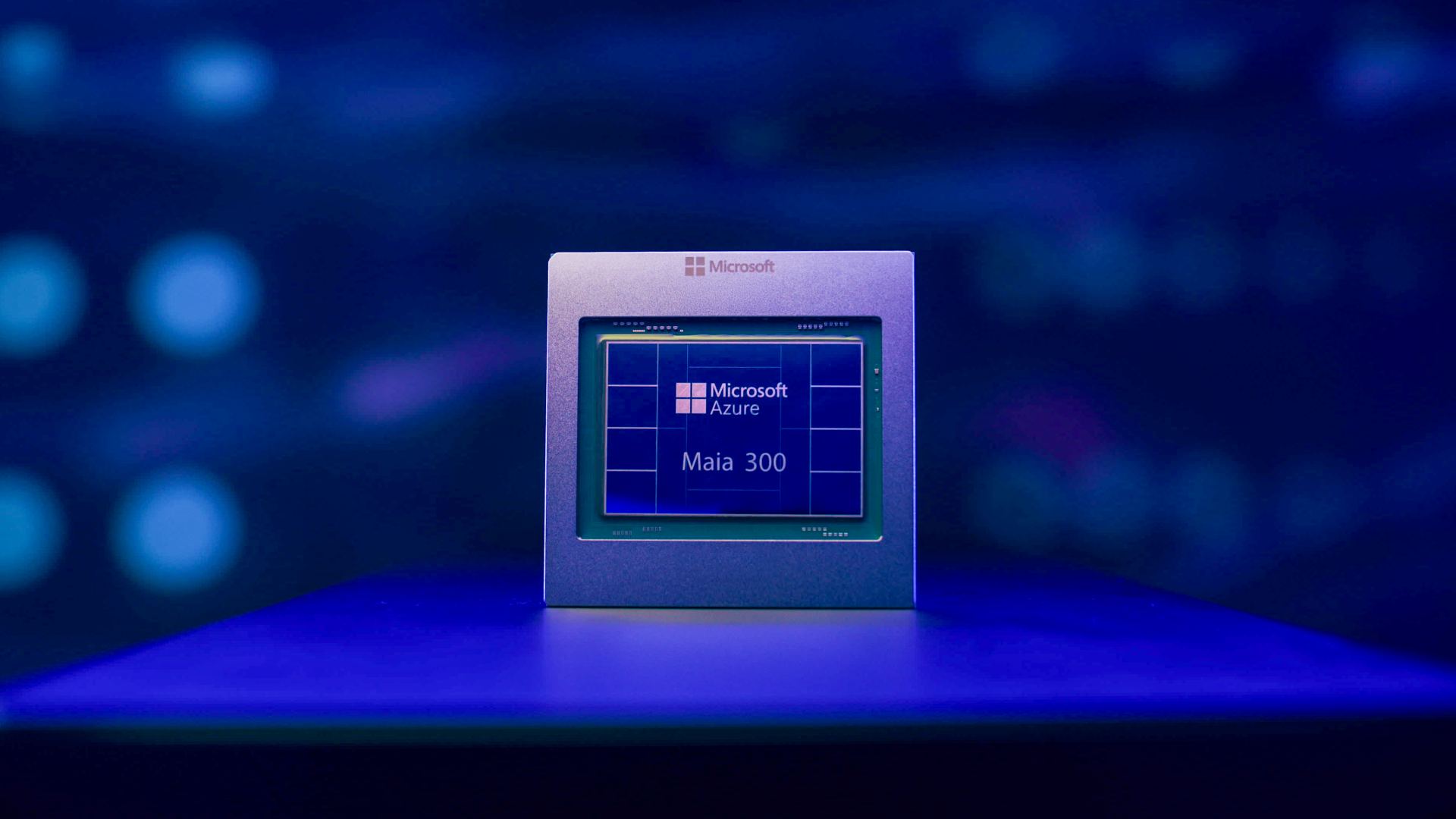
That puts the focus on the whole system, not just the accelerator. Tbreak’s coverage of Microsoft’s Maia 300 AI chips examines another part of the infrastructure picture; Samsung’s announcement centres on the memory and storage around that computing hardware.
Sharing capacity instead of leaving it stranded
CXL, short for Compute Express Link, allows processors and other computing components to access additional memory resources. Samsung’s demonstration with AMD used CMM-D, its CXL-based DRAM module, to support pooling across multiple systems.
For AI inference, the potential benefit is more flexible access to capacity instead of depending solely on memory installed directly in each server. That doesn’t make pooled memory interchangeable with every other memory tier: Samsung’s separate emphasis on high bandwidth, expansion, and storage reflects different jobs within an AI system.
Enterprise SSDs form the storage side of the strategy. The showcase also included technologies to optimise the key-value cache, temporary information that helps a model reuse previous computation while producing a response. Samsung’s MAX Lab lets customers test memory and storage technologies under real-world AI workloads before commercialisation.
For cloud providers planning data centres in the UAE or Saudi Arabia, this offers a technology approach to evaluate, not a confirmed regional capacity increase. The reports reviewed don’t identify local deployments, regional pricing, or quantified performance gains for those operators. Procurement decisions would still need workload testing and evidence of compatibility with the intended systems.
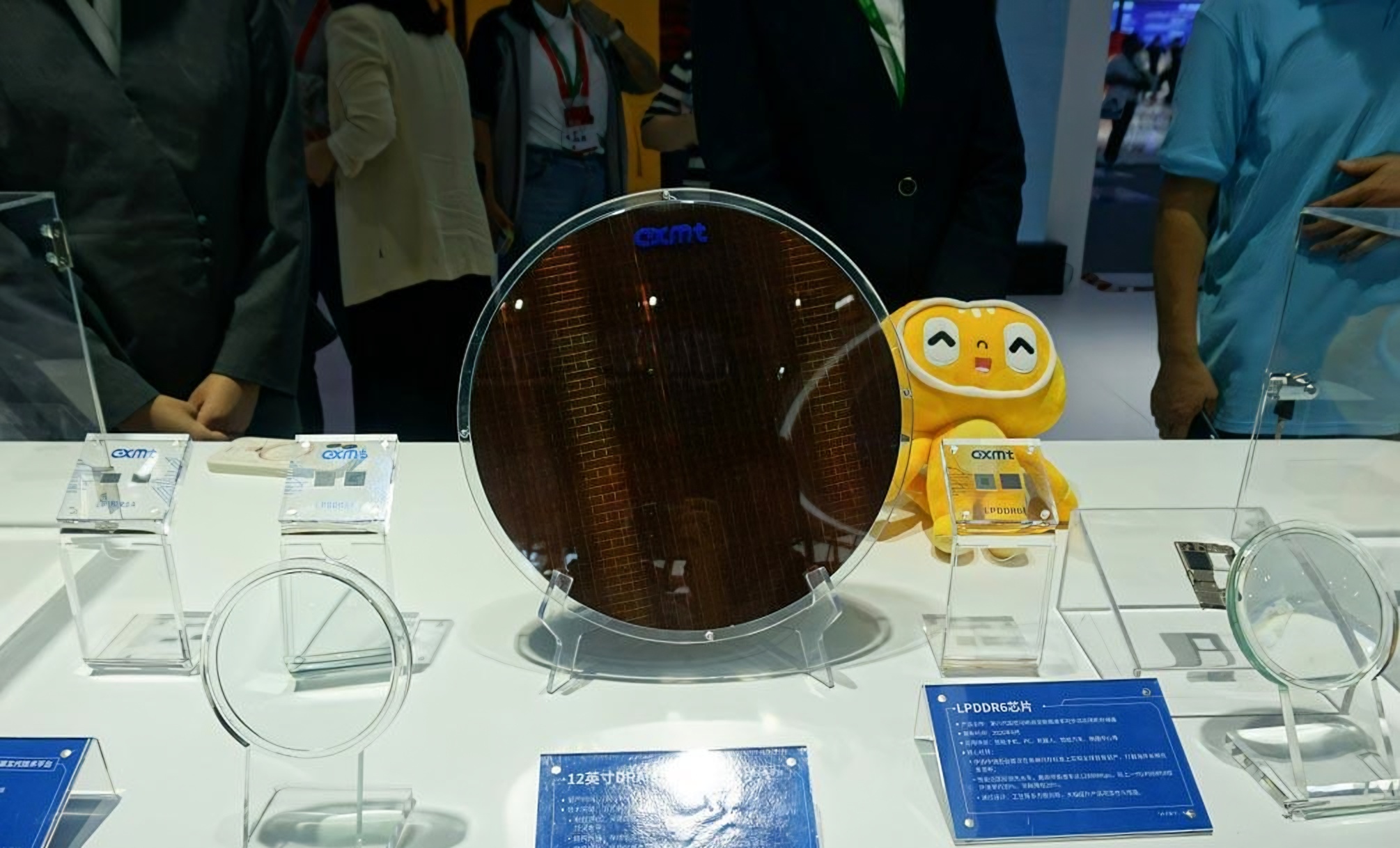
The push also sits alongside changes in conventional server memory, including CXMT’s plans for server DDR5. Faster chips, expandable capacity, and storage efficiency address different constraints; none alone establishes how much extra AI capacity a data centre can deliver.
Is Samsung announcing a consumer memory upgrade?
No. This announcement concerns AI servers and data-centre infrastructure, rather than RAM upgrades for a Galaxy phone or home PC.
What should an operator check before adopting pooled memory?
An operator should verify support across its processors, servers, and software, then test its actual workloads. A summit demonstration doesn’t establish the performance or cost of a production deployment.