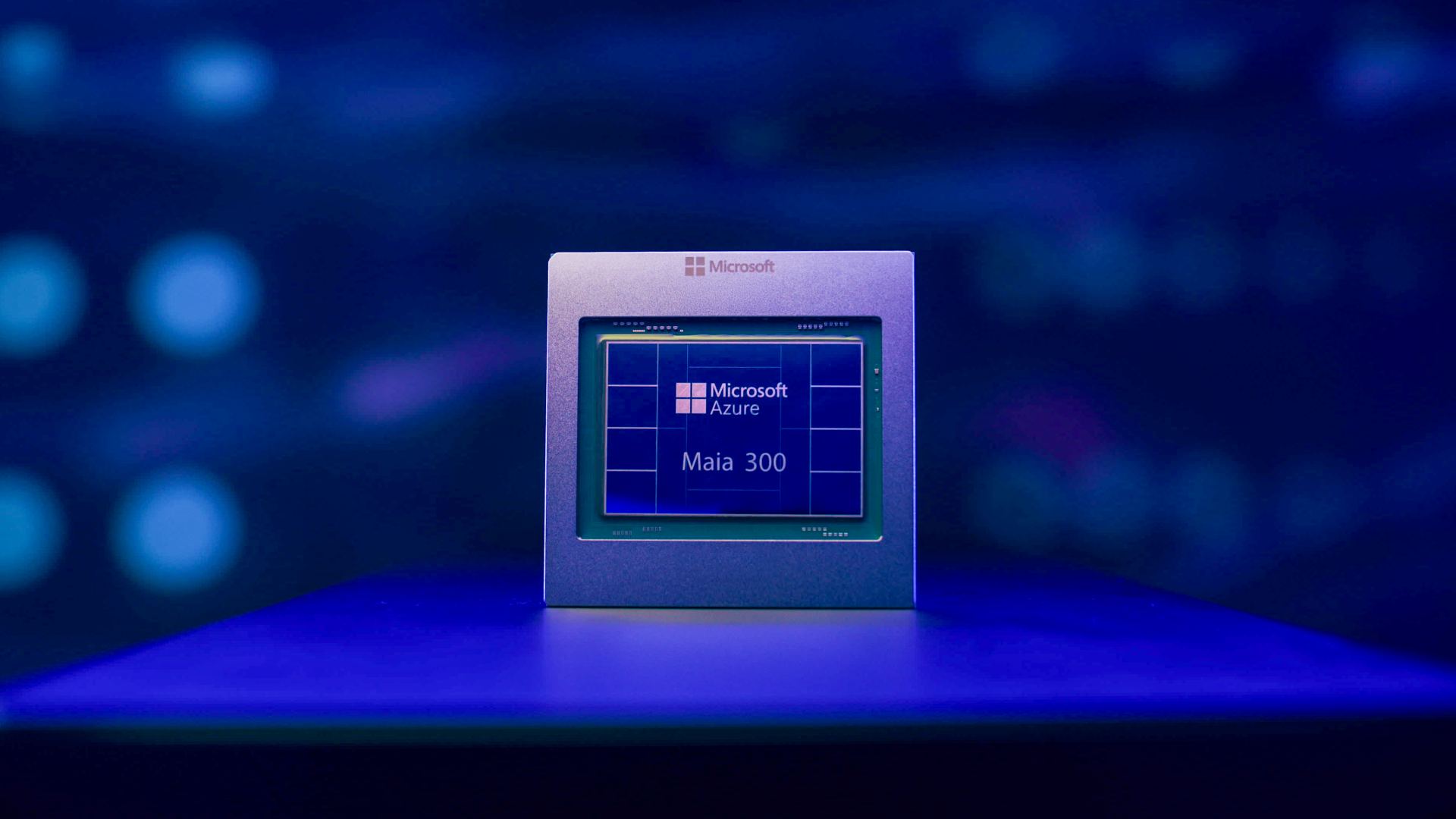
Microsoft plans to make Maia chips the main system for running AI models across its products and services, with production deployments of Maia 300 starting in 2027. The shift reduces its reliance on Nvidia for inference, the work involved in generating an answer from an already-trained model, rather than replacing GPUs across all AI tasks.
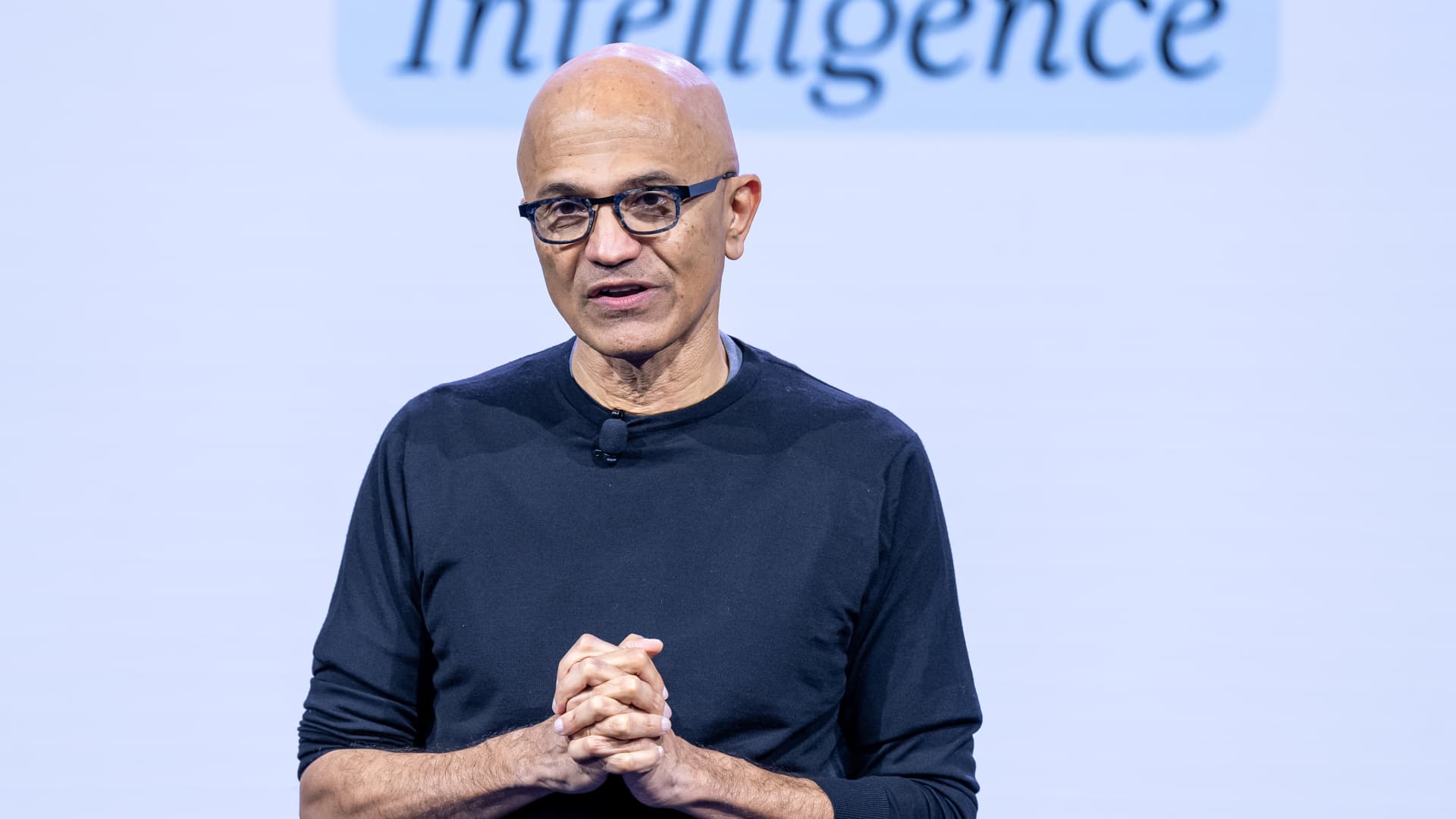
In Microsoft’s announcement, cloud and AI chief Scott Guthrie set out plans to scale the Maia family to multi-gigawatt deployments starting next year. Microsoft hasn’t given a date for completing that expansion or said when Maia will handle most of its inference workloads.
The third-generation accelerator targets long-context reasoning, responsive AI conversations, and agents that perform several steps to complete a task. For Copilot users, the promised benefit is more efficient infrastructure behind those services, not a new chip they can buy or install.
More AI output from the same power
Microsoft expects Maia 300 to deliver 40% more tokens per megawatt than leading GPU-based systems. Tokens are the units of text and other data that AI models process or generate, so this metric measures output relative to available power.
A full rack will contain 96 accelerators, twice the Maia 200 configuration described by CNBC. Microsoft claims up to seven times Maia 200’s rack-scale token throughput. Those are different comparisons: the sevenfold figure compares Maia generations, while the 40% figure compares power efficiency against GPU-based systems. Neither establishes that an individual Copilot response will arrive seven times faster.
The hardware combines eight HBM4 memory stacks, 18 TB/s of peak memory bandwidth, and a 950-watt thermal design power. Its compute chiplets use TSMC’s N2P process, while separate chiplets handle memory-controller and input/output functions. The design keeps data close to the compute hardware rather than spending energy moving it around.

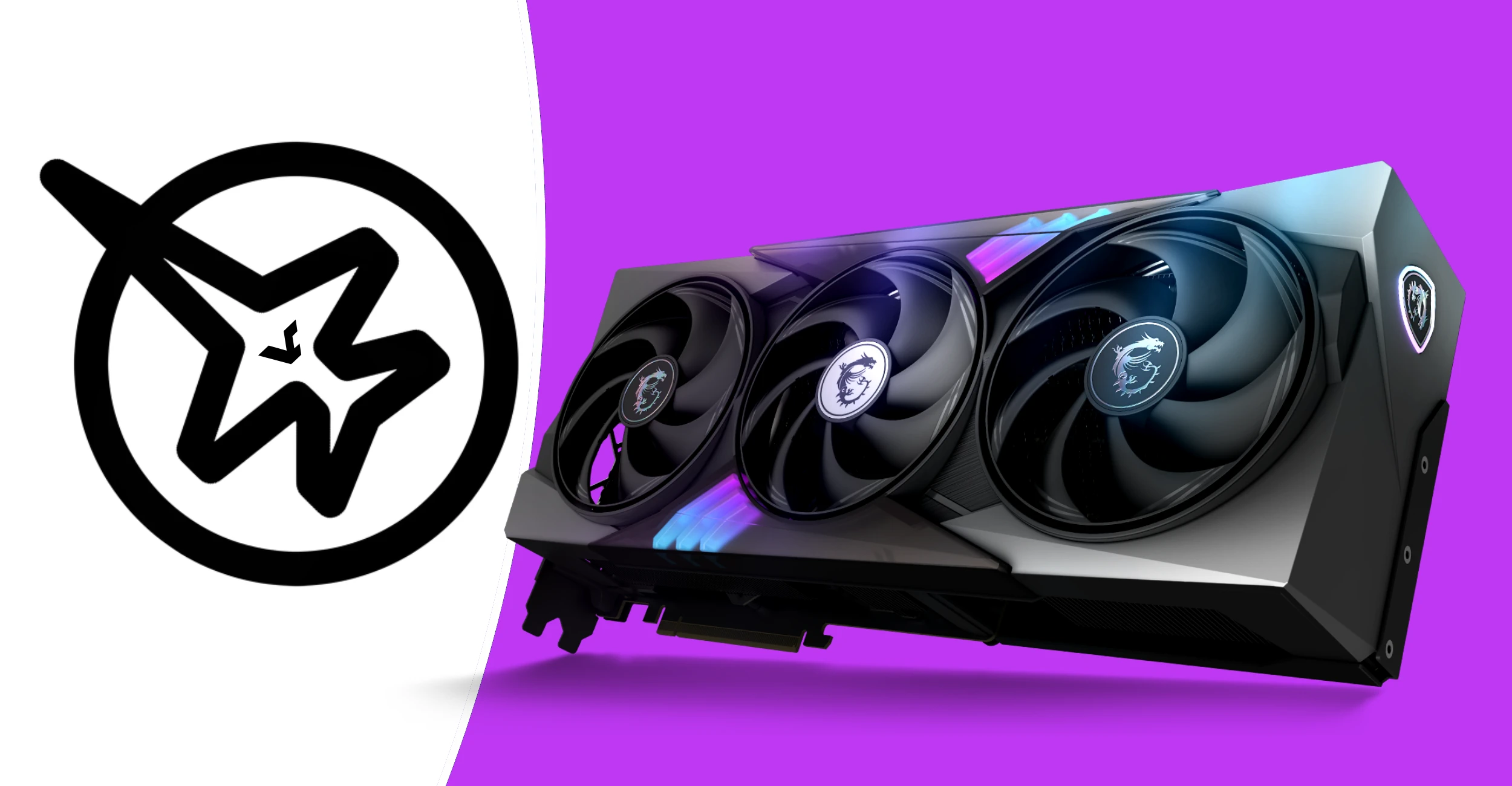
At rack level, Microsoft specifies 27.6 TB of HBM capacity within a 167-kilowatt power envelope. The scale makes clear that Maia 300 is data-centre infrastructure, not a consumer alternative to an Nvidia graphics card.
Nvidia still has a role
CNBC reports that Microsoft will continue working with Nvidia and AMD to train models. It also reports that outside customers cannot currently rent Maia accelerators by the hour, unlike some competing cloud-chip offerings. Therefore, a move toward Microsoft silicon for its services doesn’t mean Azure customers can immediately select Maia for their own workloads.
Maia 200 already serves production workloads, including Microsoft Copilot, and supports Microsoft’s AI model team. The official announcement says GitHub Copilot and Microsoft Foundry are scheduled to follow by the end of 2026. The newer chip builds on that deployment experience rather than starting the programme from scratch.
The infrastructure push supports an expanding set of consumer AI features, including planned shared AI benefits for Microsoft 365 Family. Microsoft hasn’t announced lower subscription prices as part of the Maia 300 reveal.
For UAE businesses, the immediate limit is the lack of deployment information. Microsoft names the United States, Europe, and Australia for Maia 200’s rollout, but the announcement gives no UAE Maia deployment date or local access terms. Against the backdrop of the UAE’s high AI adoption in Microsoft’s latest report, this remains a global infrastructure plan, not confirmation of new accelerator capacity in the Emirates.
When will Microsoft Maia 300 launch?
Microsoft plans to begin production deployments in 2027. It hasn’t provided a specific month or a completion date for the wider multi-gigawatt expansion.
Will Maia 300 replace Nvidia graphics cards?
No. It targets AI inference in Microsoft’s data centres, not gaming PCs. Microsoft still partners with Nvidia and AMD for model training, and the announcement doesn’t offer Maia as a retail product.