The UAE still leads Microsoft’s global AI adoption ranking, but the 70.1% figure circulating in fresh coverage is no longer its latest result. Microsoft’s Q2 2026 Global AI Diffusion Report, published in September, puts usage at 73.3% of the country’s working-age population, up from 70.1% in the first quarter.
That keeps the UAE ahead of Singapore, the second-ranked economy at 64.3%, and well above the worldwide figure of 18.8%. The measure tracks generative AI use, not the proportion of businesses that have automated their operations or the share of jobs performed by AI.
The 70.1% figure needs a date
Zawya’s latest coverage cites the first-quarter result while reviewing the UAE’s expansion of AI across government, education, healthcare, and transport. That figure remains valid for Q1, but the newer Microsoft report records another 3.2 percentage-point increase in Q2.
The distinction changes the context rather than the country’s position. The UAE ranked first in both periods. In the newer ranking, Qatar reached 43.5%, while Saudi Arabia rose to 31.4% and entered the top 25 after climbing five places.
What Microsoft actually measures
Microsoft defines AI diffusion as the share of people aged 15-64 who used a generative AI product during the reported period. It derives the estimate from aggregated, anonymised telemetry and adjusts it for differences in operating systems, device-market share, internet access, and population.
It isn’t a census of every resident, a survey of employers, or evidence that most people use AI every day. Nor does a high adoption score establish that the tools improve productivity or produce reliable answers. Those require separate measures.
The report also acknowledges gaps in tool coverage. Microsoft plans to include more AI products in its next report and expects broader coverage to raise measured usage across almost all economies. Some future increases could therefore reflect a better count of existing users rather than a sudden surge in adoption.
Skills and oversight, not just access
For UAE businesses, the ranking is evidence of widespread use among working-age people, not proof that employees have the training or permissions to use AI safely at work. An organisation’s readiness remains a separate question from national adoption.
In Microsoft’s May statement, carried by Zawya, the company outlined a target to train one million learners in AI by 2027. Its plans included reaching more than 250,000 students and educators and more than 55,000 government employees through Microsoft Elevate UAE. Those are targets, not completed training totals.
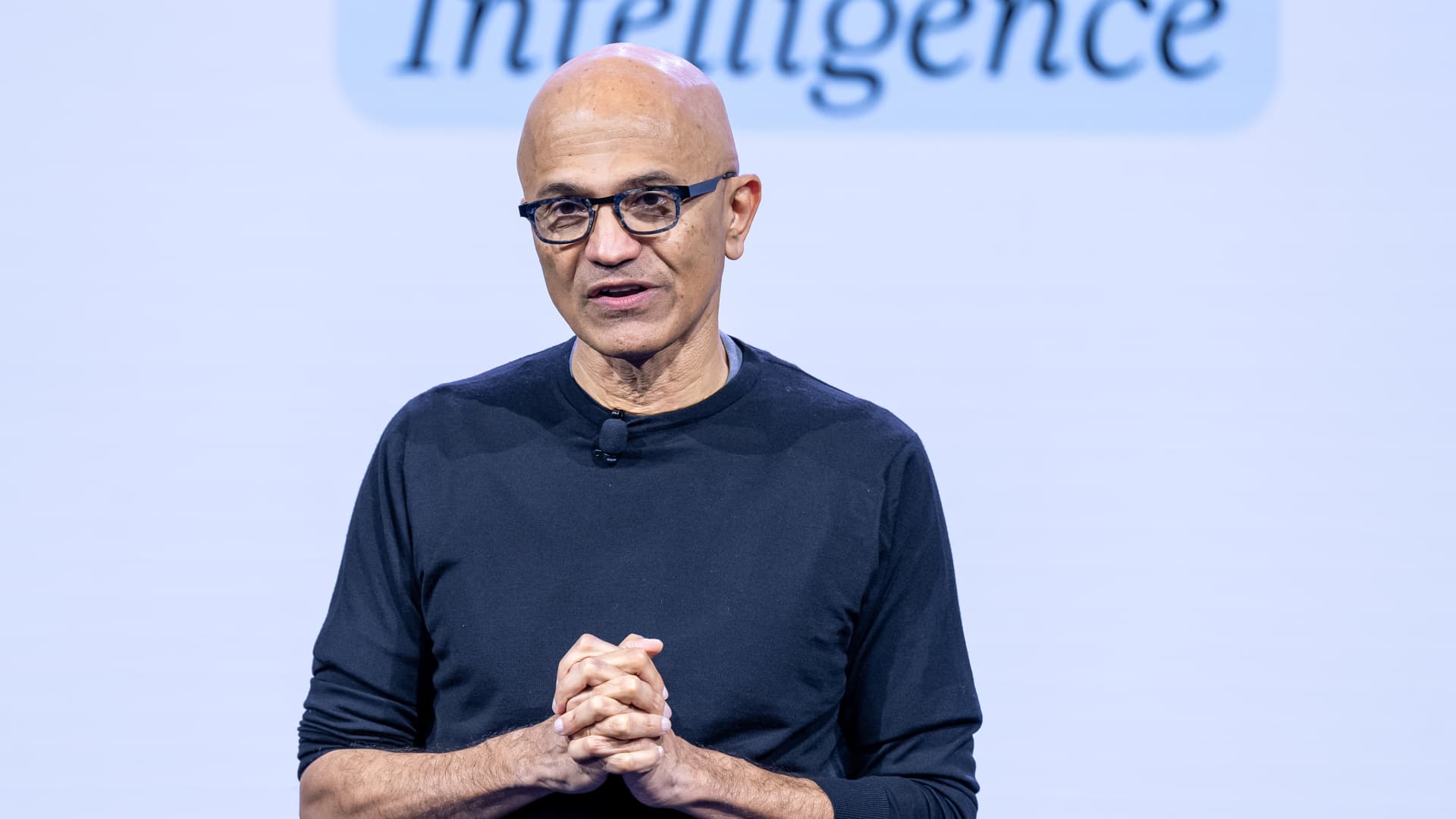
Oversight is also part of the discussion, as reflected in Satya Nadella’s call for a human-controlled AI emergency brake. High usage alone doesn’t resolve questions about who checks an output or intervenes when an automated process goes wrong.
For residents, the government initiatives described in the latest coverage point towards more AI-supported public services. They don’t establish that every proposed system is already available. The planned December arrival of Abu Dhabi’s Tamm 5.0 app illustrates why service announcements still need their own launch dates and confirmed features, separate from a national usage ranking.
Does the ranking mean UAE employers require staff to use AI?
No. This is a population-level estimate, not a workplace mandate. Employees should check their organisation’s approved tools and data-handling rules before using AI for work.
Does the report identify the most popular AI app in the UAE?
No. The national leaderboard measures adoption across the products Microsoft tracks; it doesn’t provide a UAE app-by-app popularity ranking.