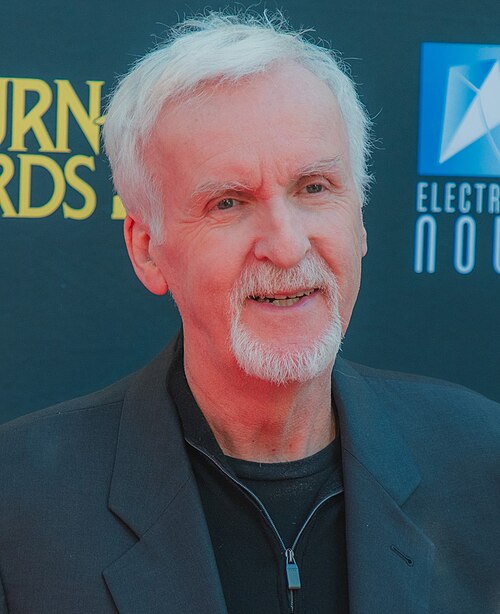
Avatar director James Cameron says the story comes first, and new filmmaking tools should be learned in service of it.
He spoke at the Megacampus Summit, in a virtual conversation covered by Gulf News. Megacampus is a Dubai business camp that is hosting its international summit in Dubai in November 2026.
You never create a story to push the technology. You create the technology to solve the story.
James Cameron, director
For The Terminator, that meant using puppeteers and animatronics to bring its endoskeleton to life because a performer in a suit couldn’t play it. After Terminator 2, Cameron and Stan Winston agreed computer graphics were the future and started Digital Domain, an all-digital visual effects company.
Avatar, now the highest-grossing film of all time, was the exception to Cameron’s rule. His team couldn’t build the tools within a single production cycle, and he came back to the film almost ten years later. He called the challenge “a grand provocation”: he asked his team to make computer-generated faces expressive enough for audiences to empathise with the characters. It took about three and a half years.
Cameron said he couldn’t have raised the money without Titanic‘s success, and even then he asked for funding for a two-minute test. Tbreak has followed the sequels closely, from Avatar 4 and Avatar 5 to Cameron’s plans to cut their costs.
Cameron on Dubai’s ambition
Cameron has visited Dubai only once, but he told the summit it “seems to be a kind of an imagined city”. He called it “the result of a very ambitious vision”, pointing to the world’s largest building and largest artificial island as examples of the ambition he admires.
What AI doesn’t change about filmmaking
Cameron compared the way people form ideas to generative AI: films, books, and experiences can turn up later in dreams. A chrome skeleton emerging from a fire inspired The Terminator, while a dream about a glowing forest found its way into Avatar almost three decades later.
He joked that someday people might see his take on Jurassic Park “using AI and whatnot”. But he said the basics haven’t changed: audiences still need characters they want to follow, suspense, and pathos. He called actors “your gold”, and said conveying emotion from human to human is the part that never changes.