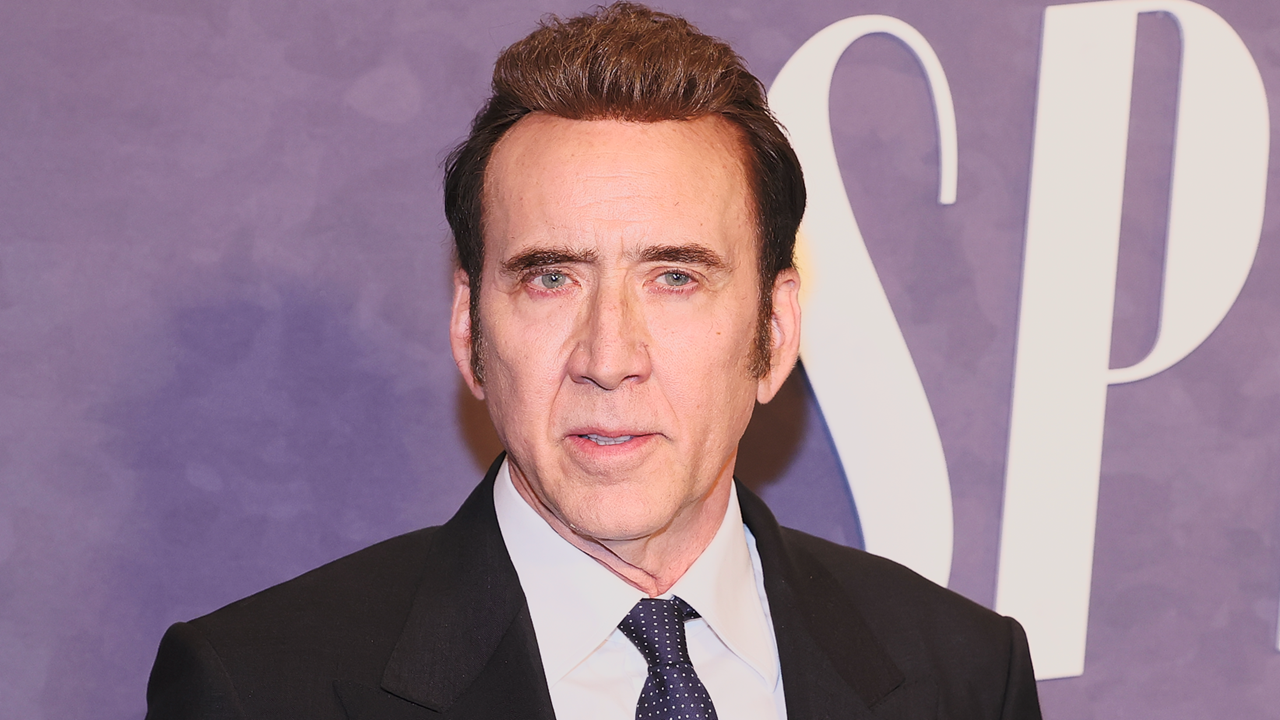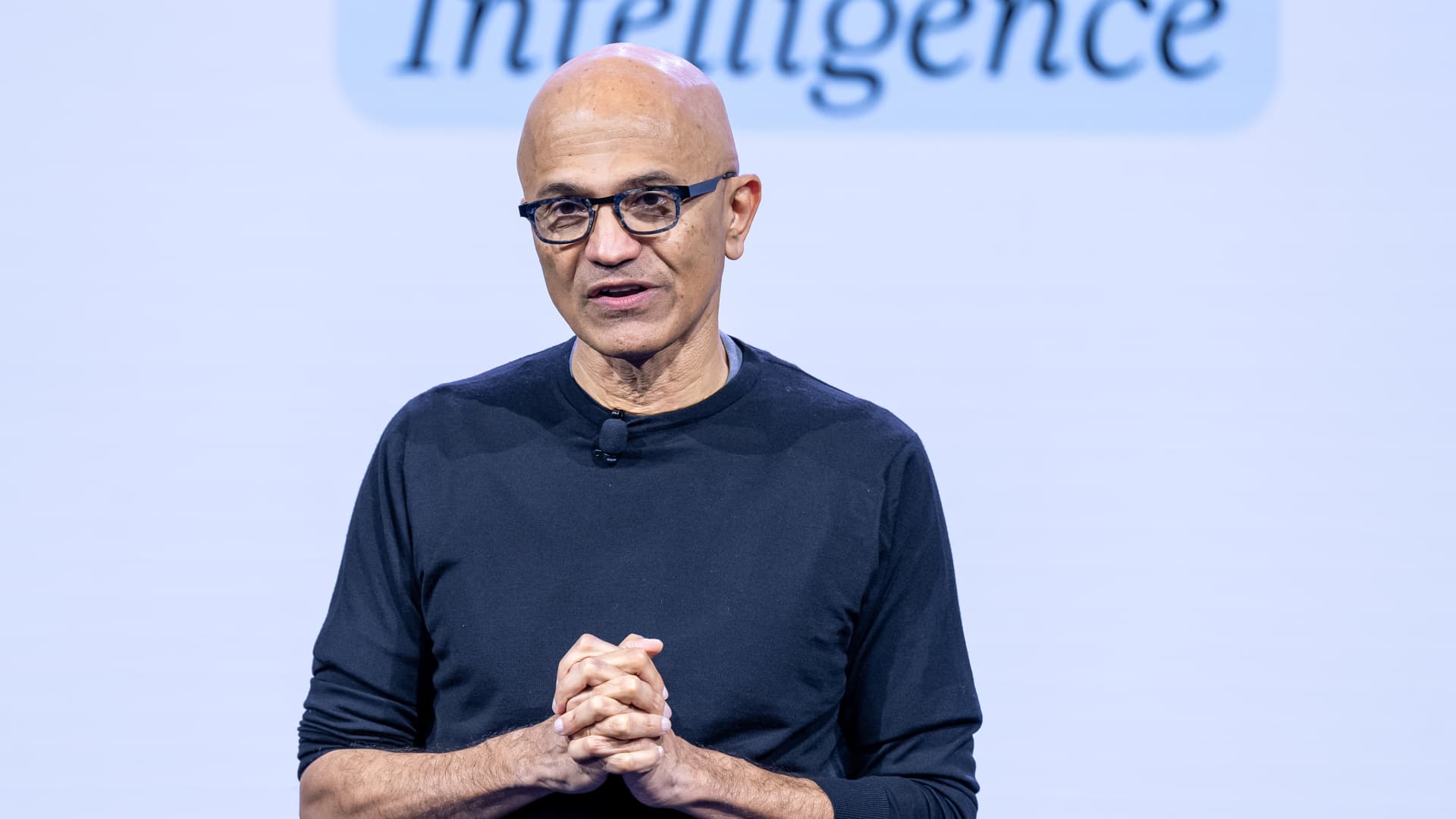
Microsoft CEO Satya Nadella says advanced AI systems need an “emergency brake”: a control that lets authorised people pause or shut a model down mid-task. He made the case on Saturday in a post on X, CNBC reports, arguing that companies shouldn’t rely on model makers alone to keep their own systems in check.
Nadella wrote that “non-deterministic models” should be surrounded by “strong, deterministic system design, human controls, and reliable operating procedures”, with industry standards where existing ones fall short. His proposed starting point is to treat frontier models, closed and open-weight alike, as potential insider risks.
The principles he set out
Nadella framed the approach around “principles of observability”. Per his post, they cover:
- model diversity, so no single model makes key decisions;
- a human-readable record of what a model does;
- continuous system testing;
- independent controls and auditability;
- containment;
- incident disclosure.
The Straits Times adds that he urged tamper-proof records and independent audits, and advised companies to assume a powerful model could be compromised. His line on trust sums up the pitch: “The most trustworthy Super Intelligence system will not be the one with the model we trust most. It will be the one that enables us to trust the model the least.”
Why now
The comments follow a run of safety warnings from across the industry. CNBC lists Bill Gates, Anthropic’s Dario Amodei, OpenAI’s Sam Altman, and Elon Musk among the executives who have flagged inadequate safeguards or a pace that’s too fast. Last month, an AI researcher quit Anthropic and accused it and OpenAI of “gambling with our lives”.
Washington is split. President Donald Trump has dismissed extinction risks and stresses the need to stay ahead of China, though his administration has also launched a safety-focused task force. Nadella’s pitch sits between the two camps: it doesn’t ask anyone to slow down, only to build controls outside the model.
Microsoft has its own stake in the debate. It sells frontier models through Azure and Copilot, and recently showed it’s willing to compete with its own AI partners. A framework that treats every model, including those from OpenAI or Anthropic, as something to contain also favours a platform vendor that wraps them all.
What it means for Gulf businesses
Nadella didn’t mention the Gulf, and no regulator in the region has responded to the post so far. The practical read is for enterprises already deploying agentic tools, including Microsoft 365 Copilot users: his list works as a checklist for procurement, covering audit logs, kill switches, independent testing, and a fallback to a second model.
What is an AI “emergency brake”?
It’s a human-operated control that lets authorised staff pause or stop an AI model while it’s running a task. Nadella describes it as one part of a wider system that includes containment and independent oversight.
Has Microsoft announced a product for this?
Not in the reporting so far. Nadella’s post sets out design principles and calls for industry standards, with no specific feature or release.
Does this change anything for UAE users?
Not directly. There’s no new regulation or Microsoft product attached to the comments, but they signal what large buyers may soon ask AI vendors to provide.