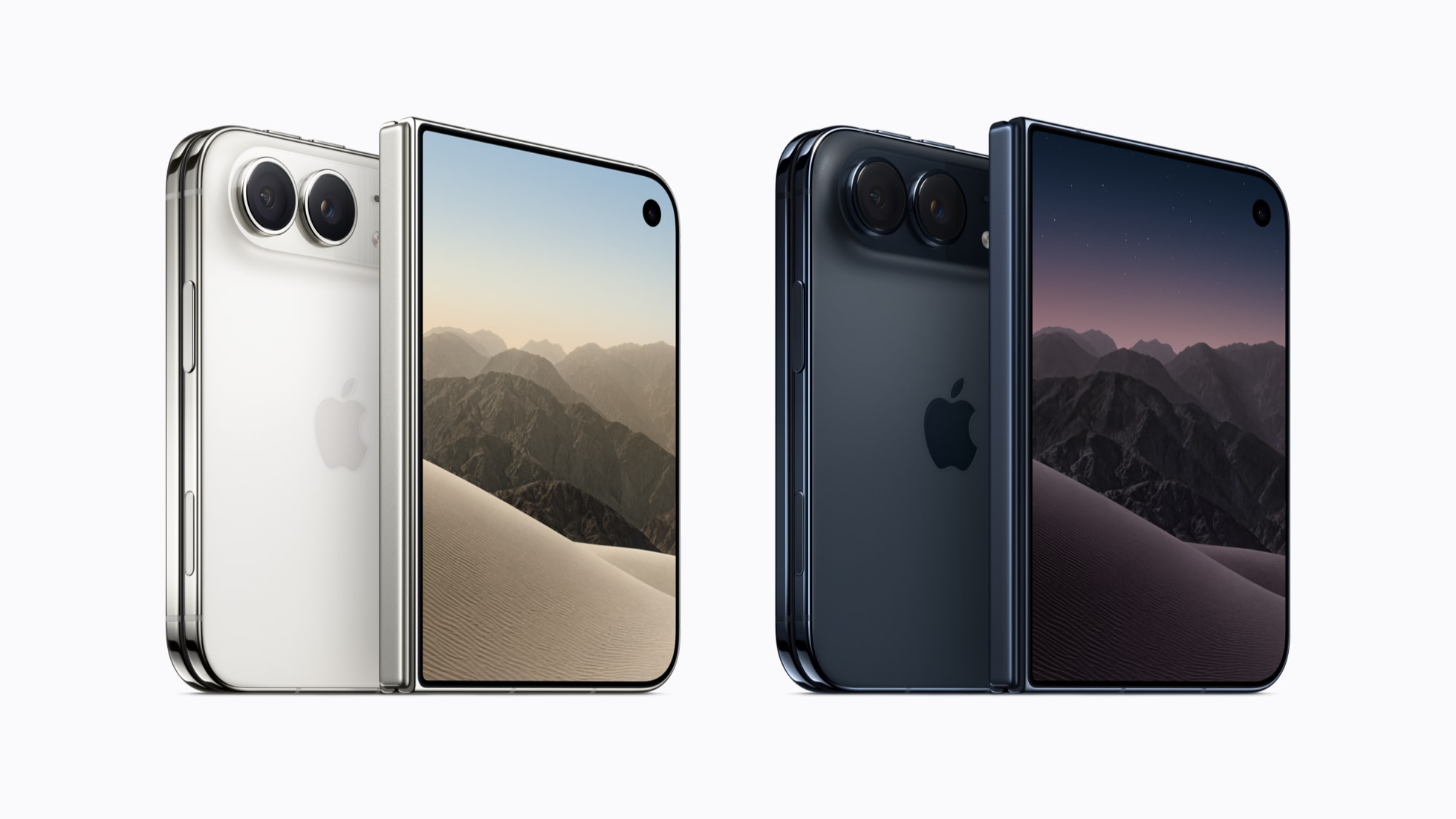
Apple uses the iPhone Duo’s hinge to move heat between the phone’s two halves, rather than leaving its cooling system confined to one side. In a PCMag interview, the company’s engineers described a flexible graphite pipe that crosses the hinge and expands the surface area available to dissipate heat.
The detail explains how Apple tackles one of a folding phone’s less visible problems: keeping a powerful processor cool inside a device that becomes twice as thick when closed. It does not establish how the Duo performs under sustained load. PCMag explicitly says it has not yet tested the A20 Pro in the foldable.
A heat path that bends with the phone
Banafsheh Barabadi, Apple’s senior manager of thermal product design, told PCMag that the hinge solution required joint work between the thermal and mechanical teams. The flexible material must retain its heat-transfer connection and structural integrity through repeated opening and closing over the product’s life.
The pipe works alongside a thinner vapour chamber than the one in the iPhone 18 Pro. In the Pro models, the chamber also supports internal components as a central structural plane. In the Duo, PCMag describes it as floating in the middle instead. The foldable therefore has a different physical cooling layout despite sharing the A20 Pro chip family.
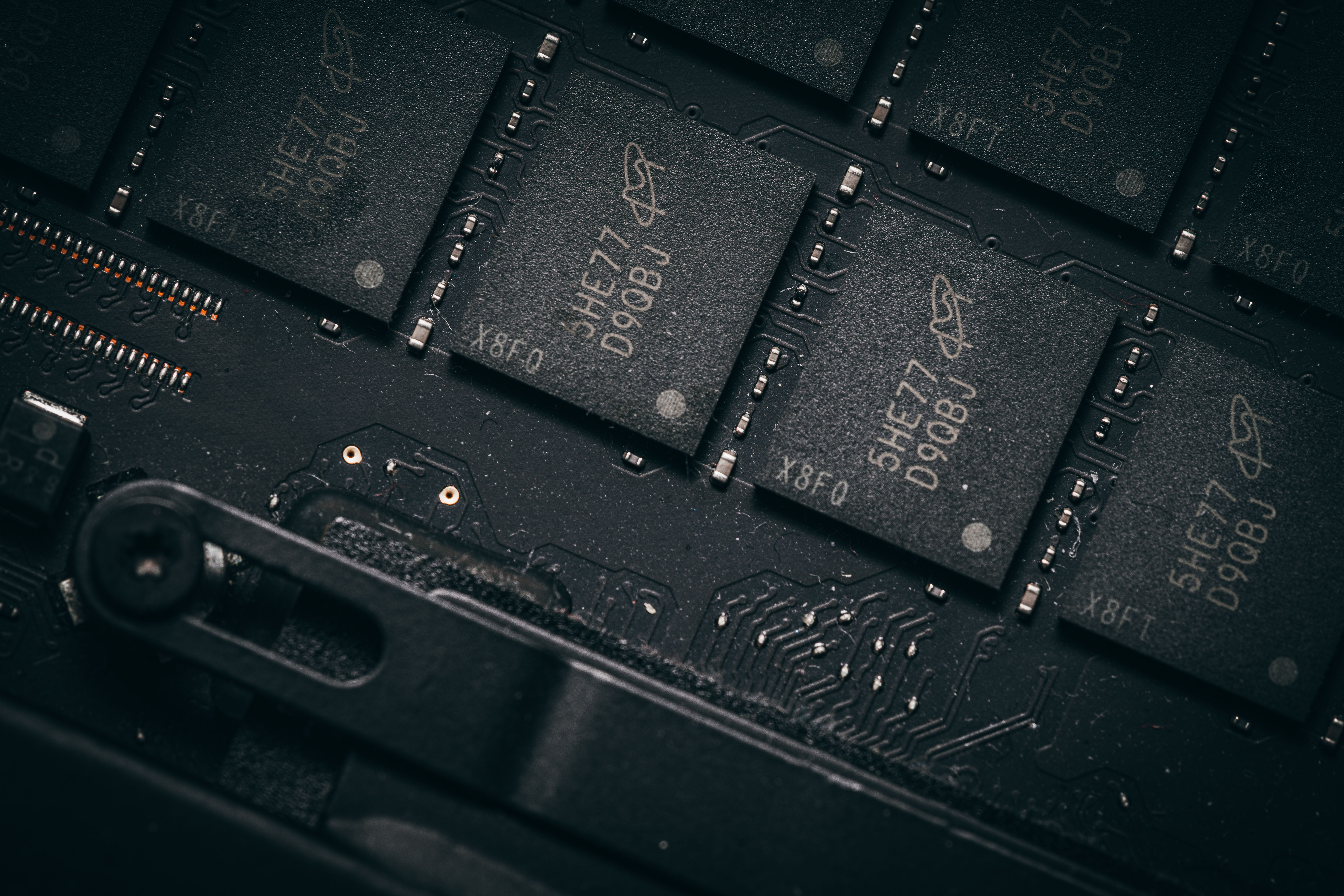
There is also a change closer to the processor. Apple places the memory beside the A20 Pro, rather than stacking it on top, to give heat a more direct route away from the silicon. Barabadi described a material called “metal over foam” that couples the chip to the vapour chamber while meeting the phone’s mechanical requirements.
These are engineering explanations, not independent measurements of the Duo’s operating temperature. They should not be read as proof that the foldable matches the Pro models in gaming, video recording, or other sustained workloads.
Durability is a requirement, not a published test result
Putting a thermal connection through a moving hinge gives that component two jobs: conduct heat and keep flexing. Barabadi’s account establishes that repeated hinge cycles shaped the design, but the interview supplies no numerical cycle rating or long-term test results for the graphite pipe.

It therefore does not demonstrate either an added failure risk or a durability advantage. Independent testing will need to establish how the cooling system behaves in practice, including whether performance changes between folded and unfolded use.
This is a separate engineering detail from the shorter Apple Pencil reportedly scrapped for the Duo, rather than a new accessory or feature buyers need to configure.
UAE price and pre-order dates
Apple’s UAE store lists the iPhone Duo from AED 8,499 for 256GB. Its UAE product page confirms pre-orders begin at 4pm local time on 16 October, with availability starting on 23 October. The earlier Get Ready window is distinct from the actual pre-order opening.
Specifications
Apple iPhone Duo
Body
Display
Camera
Hardware
Battery
For buyers considering that premium, the hinge explanation is useful background, not a reason to assume proven thermal performance. Apple’s design account addresses how heat should move; a hands-on review must show how well it works.
Does the hinge contain a fan?
The interview describes a flexible graphite pipe that transfers heat between the two halves, not a fan. Its role is to spread heat across more of the device.
Does the iPhone Duo support a physical SIM in the UAE?
No. Apple’s UAE buying page says the Duo activates through eSIM and has no physical SIM tray. Buyers should confirm that their carrier and plan support eSIM before ordering.