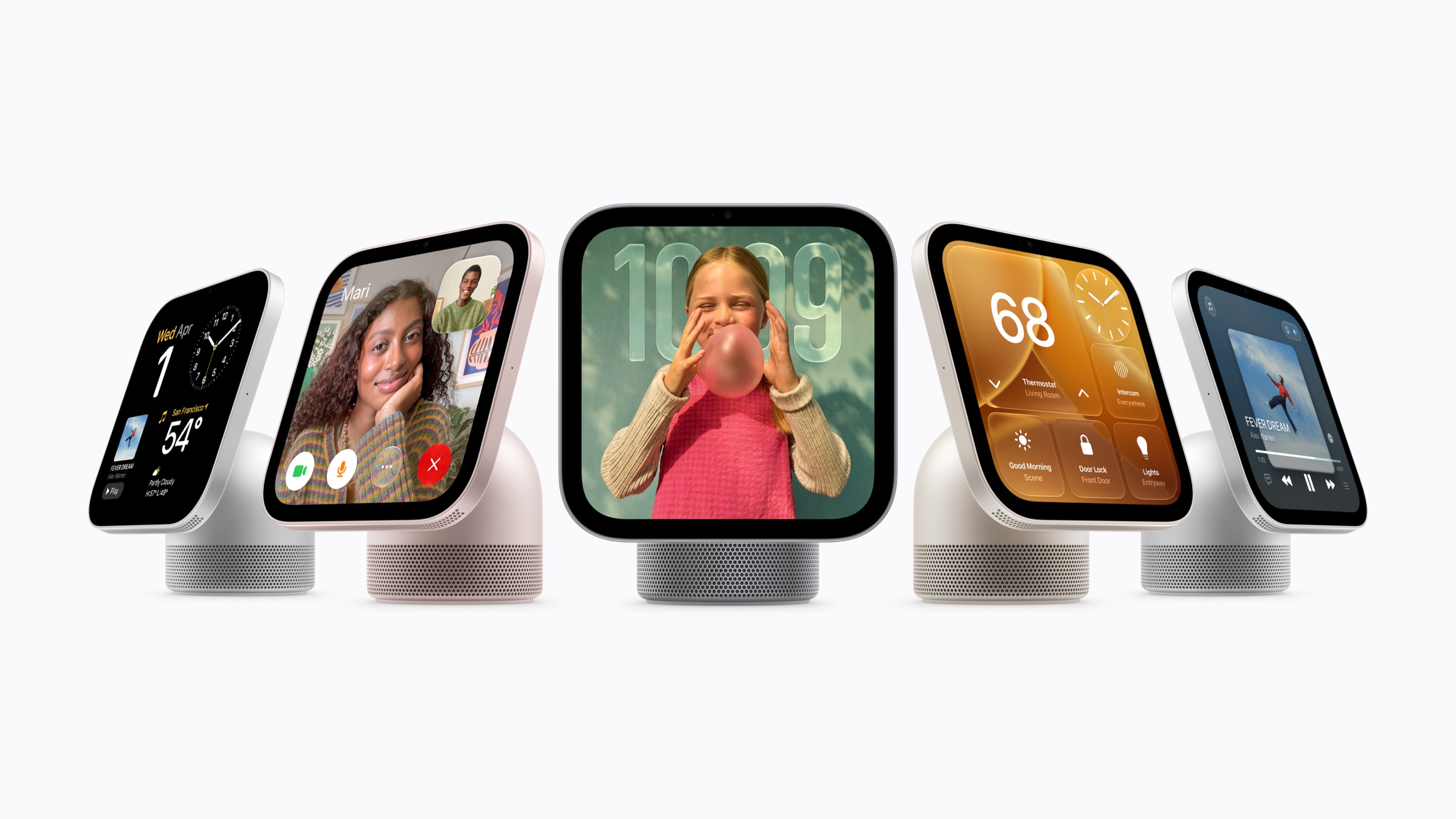
HomePod mini 2 gives Apple’s compact speaker an S10 chip, a music-reactive light display, and four-speaker surround sound with the new Apple TV 4K. The speaker costs USD 149 in the US, with pre-orders opening on 13 October and stores in announced launch markets receiving it on Friday, 30 October.
Apple’s UAE announcement confirms the hardware and audio features, but gives neither an AED price nor a specific UAE on-sale date. The US release also promises Siri AI in a future software update, but the UAE is absent from its announced availability list. For local buyers, the speaker’s confirmed capabilities and its promised assistant upgrade are separate propositions.
Four speakers, with specific hardware requirements
The S10 chip powers computational audio that analyses music in real time to adjust dynamic range, loudness, and acoustic performance. HomePod mini 2 supports a single-speaker setup, a stereo pair, or multiroom playback, while Apple describes its sound as spreading through 360 degrees.
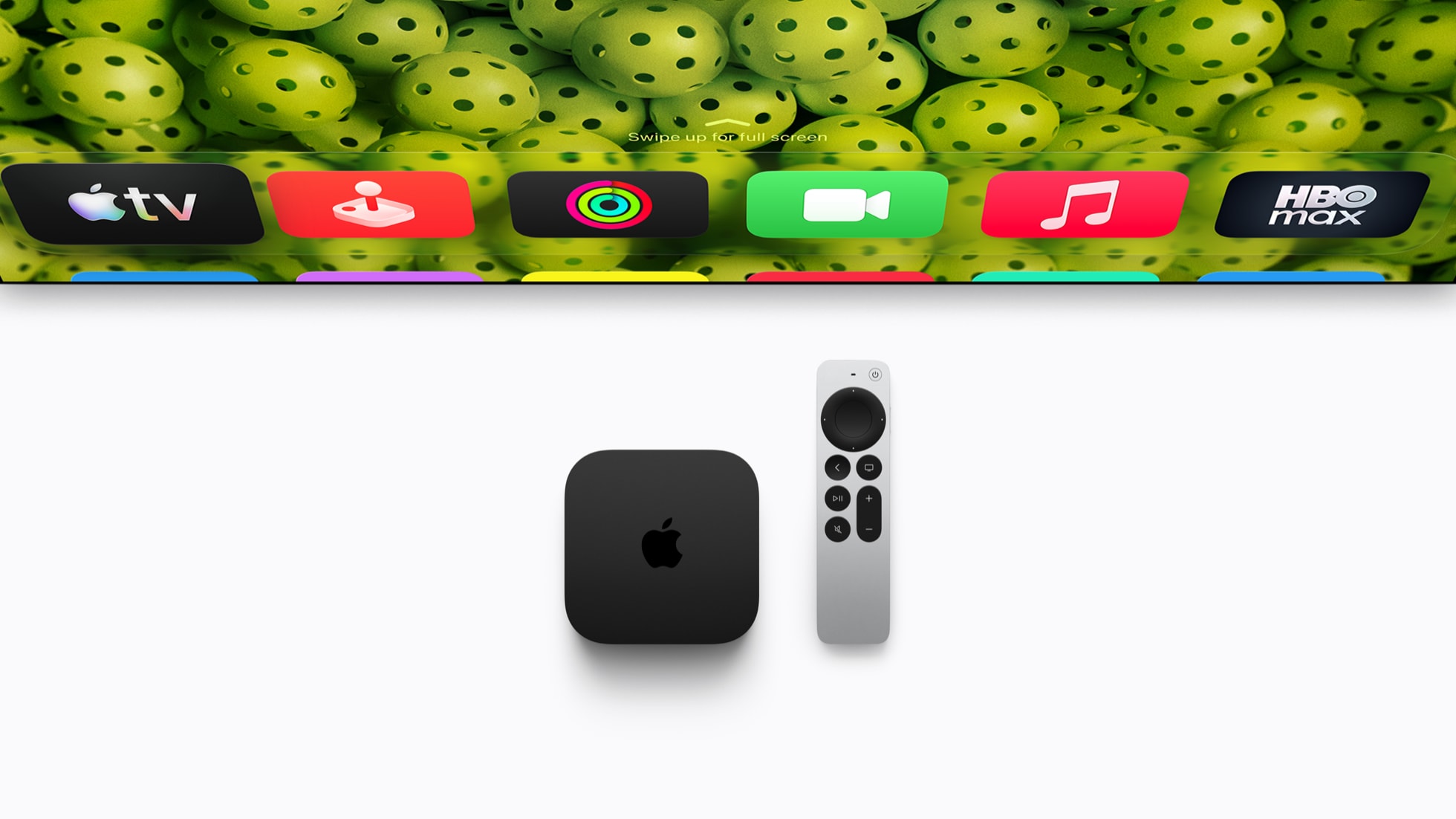
The bigger change concerns television audio. Four compatible HomePod speakers can work with the fourth-generation Apple TV 4K to create a surround-sound setup. According to Apple, the system recognises each speaker’s position and automatically calibrates timing and levels for the room. Those are manufacturer claims, not results from independent listening tests.
The compatibility footnote narrows the promise: the system requires four HomePod mini 2 or second-generation HomePod speakers arranged in matching front and rear pairs, plus the latest operating system software on the new Apple TV 4K.
For readers planning a television upgrade, our coverage of the new Apple TV 4K’s UAE price and Siri AI restrictions covers the companion box.
HomePod mini 2 can also serve as a Mac speaker, either alone or in a stereo pair. That feature requires a Mac with Wi-Fi 6E or later. It’s worth checking the computer’s wireless specs rather than assuming any recent Mac qualifies. Apple lists movies, games, FaceTime, and other video calls among the uses for this connection.
Sound Glow and the compact speaker’s limits
Sound Glow turns the speaker’s top surface into a light display that pulses with bass and treble. It pulls colours from the current song’s album artwork, while soundscapes like rain trigger their own animations. Voice control requires an Apple Intelligence-enabled iPhone running the latest software.
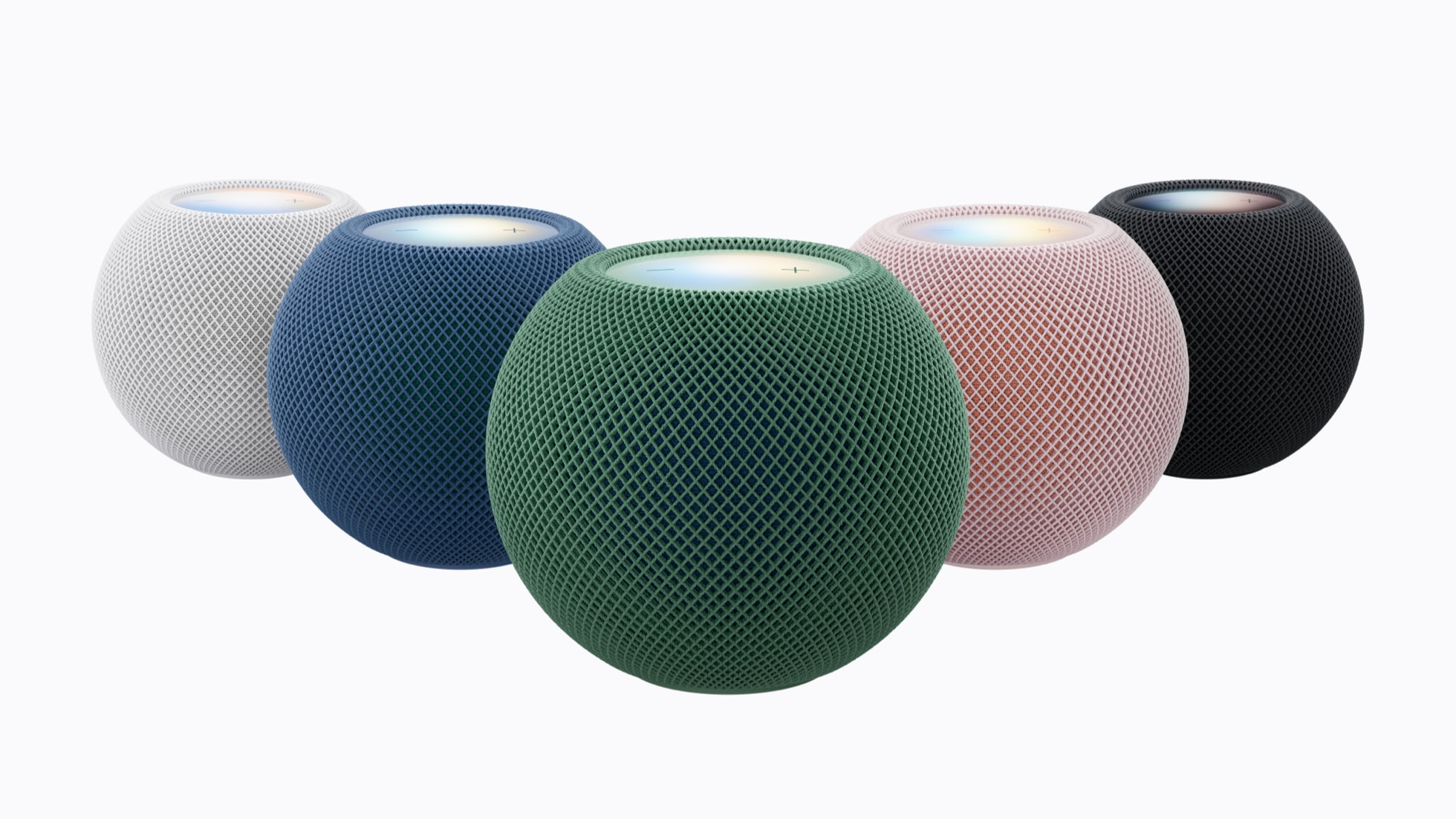
The speaker comes in pink, green, blue, white, and midnight. Apple’s US store comparison lists a 3.3-inch height, a full-range driver, and dual force-cancelling passive radiators. It also lists a temperature and humidity sensor, Sound Recognition, and smart-home hub functionality. The box contains the speaker and a 20W USB-C power adapter.

That comparison shows the mini lacks Spatial Audio and room sensing, both of which appear on the larger HomePod. Don’t confuse those omissions with Apple’s separate claim that a four-speaker TV setup can automatically calibrate timing and levels. The compact speaker and the larger model still have different capabilities.
Siri AI comes later, in selected markets
Apple’s US announcement says Siri AI will arrive in English through a future update in the US, Australia, Canada, India, New Zealand, Singapore, South Africa, and the UK. It does not provide a release date for that update or promise support for the UAE.
Apple describes an assistant that can use personal context to find a song recommended in a message, retrieve a recipe from an email, or create a reminder linked to a calendar event or location. It also promises web-informed answers and more conversational exchanges. These remain announced capabilities rather than features tested on a shipping speaker.
The examples rely on device requirements. The Home app owner must have an Apple Intelligence-enabled iPhone or iPad with the latest software, Siri AI enabled, and a supported language selected. Personal-context requests require a paired compatible device. Once the assistant is enabled on a supported speaker, other household members without a compatible iPhone or iPad can use its general knowledge, conversations, and music discovery.
The update will be free, but Apple’s footnotes say certain server-based Apple Intelligence features have daily usage limits, with expanded access available for a fee in the future. The release does not specify that fee. Apple also says requests can use on-device processing or Private Cloud Compute, and claims Apple doesn’t store or make data processed through the latter accessible.
Home control is more than voice commands
As a home hub, HomePod mini 2 can support scenes and automations for compatible accessories, alongside remote control through the Home app on an iPhone. Apple describes commands for locks, blinds, thermostats, and lights, but compatible accessories are sold separately.
Sound Recognition can listen for smoke or carbon monoxide alarms and send notifications to an iPhone, iPad, or Apple Watch. Apple’s safety caveat is clear: don’t rely on it in high-risk or emergency situations. The feature also requires the updated Home architecture and current software on devices accessing that home.
The speaker joins the home-focused announcements, including Apple’s HomeView smart display. Its hub functions and audio hardware differ from the regional and device requirements for the forthcoming AI assistant.
Does HomePod mini 2 need an Apple TV for music?
No. It supports standalone music playback, stereo pairing, and multiroom audio. The fourth-generation Apple TV 4K requirement applies to the four-speaker home-theatre configuration.
Can HomePod mini 2 announce who is at the door?
Apple says it can work with compatible video doorbells and cameras to announce visitors. This requires HomeKit Secure Video with Face Recognition enabled.