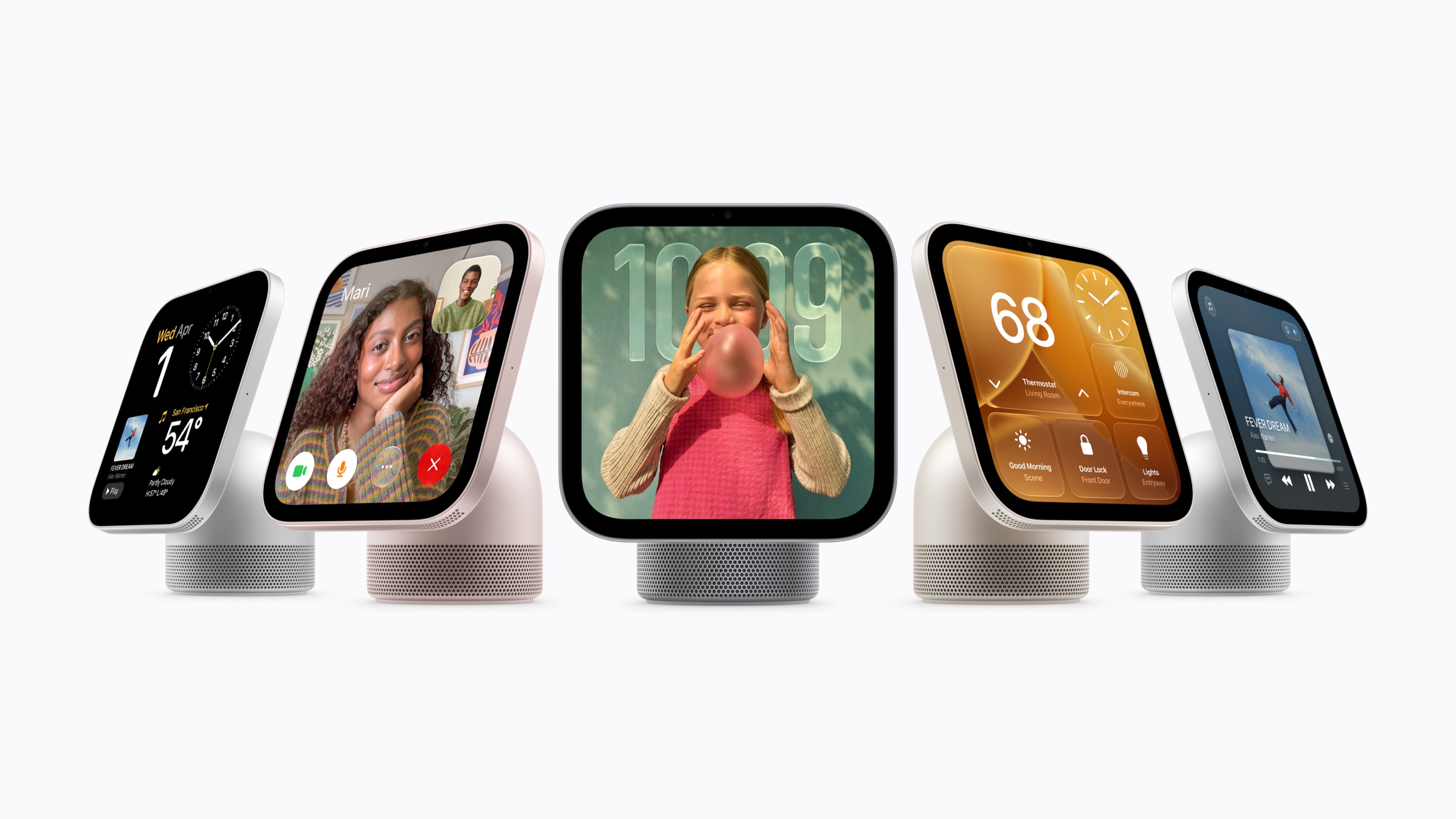
Apple has announced HomeView, a USD 299 smart display that combines home controls, FaceTime, entertainment, and a new Siri AI assistant. The 7-inch device recognises up to six household members and changes its screen to show their personal content. Pre-orders opened on 13 October in selected countries, with availability beginning on 13 November.
According to Apple’s HomeView announcement, both tabletop and wall-mounted models will cost USD 299 in the US. The UAE isn’t among the announced launch markets, and Apple hasn’t provided an AED price or a local release date.
This is the official reveal following earlier reports about an A18-powered HomeView hub. It also comes with restrictions worth noting before the hardware: personal-context features need a compatible Apple Intelligence device, Siri AI carries a beta label, and some server-based AI features will eventually require a fee for expanded access.
A shared screen that knows who’s looking
HomeView’s central idea is to make a household display personal without turning it into one person’s tablet. Apple says it recognises enrolled users by their faces and presents their apps and widgets, including content from Messages, Calendar, Reminders, FaceTime, and Find My. Shared albums and music remain available for everyone, including guests.
The interface changes with viewing distance. From across a room, it shows simpler information; closer up, it reveals more detail. That gives a kitchen counter or hallway display a different job from an iPad that someone carries around and unlocks directly.
The hardware also adjusts to its surroundings. Here’s what Apple has confirmed:
| Feature | Announced specification |
|---|---|
| Processor | A18 |
| Display | 7-inch Liquid Retina with True Tone |
| Brightness adjustment | 0.3-500 nits |
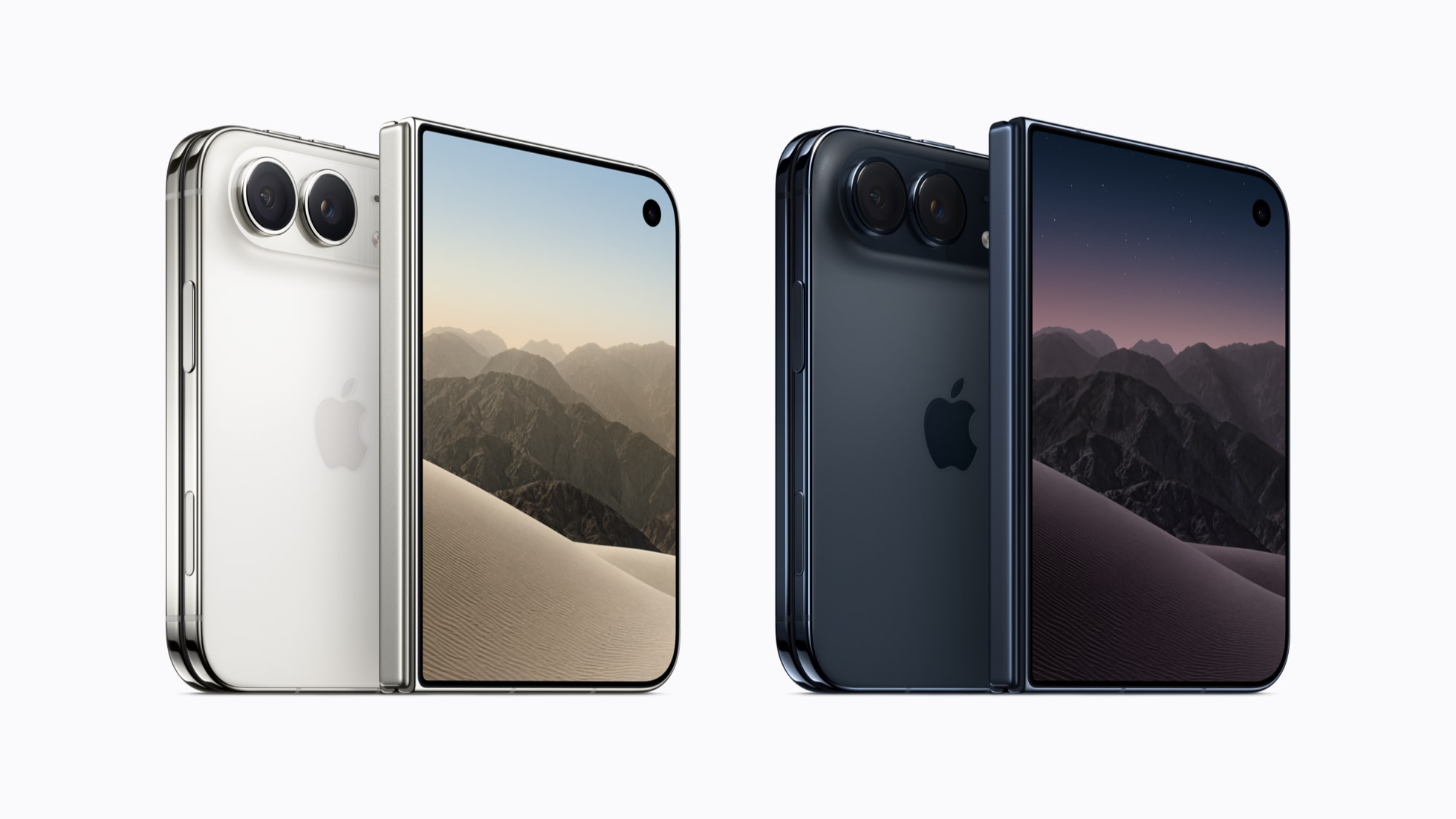
| Tabletop construction | Aluminium body, domed speaker base, stainless-steel tilt hinge |
| Tabletop colours | Silver, starlight, rose pink, space grey |
| Wall-mounted colours | Space grey, silver |
Apple provides several display faces rather than one fixed dashboard. Photos can use a shared album, Flow reacts to nearby movement, and Snoopy animations change with the time, weather, and selected events. These are alternatives to showing home controls all day, not separate products.
Siri AI has a companion-device requirement
Apple describes Siri AI as a more conversational assistant with general knowledge and onscreen awareness. HomeView users without an Apple Intelligence-enabled iPhone or iPad can still use its general-knowledge answers, conversations, and music discovery.
Personalised requests are more demanding. They require a paired Apple Intelligence-enabled iPhone or iPad running the latest software, with Siri AI enabled in a supported language. That pairing lets the assistant draw on Messages, Calendar, and information across apps, rather than simply answer a general question.
The release’s footnotes identify Siri AI as a beta in HomeView software version 27.2. They also state that certain Apple Intelligence features using server-side models have daily usage limits. Apple plans to offer expanded access for a fee in the future, but it didn’t specify the fee. The hardware price therefore doesn’t establish unlimited access to every AI function.
Conversation history can sync through iCloud to the Siri app across supported Apple devices. Customisable, expressive voices have a narrower compatibility list than basic HomeView use: Apple specifies selected recent iPhones or iPads with an M4 chip or later and at least 12GB of unified memory, in English.
Home controls, camera feeds, and household audio
HomeView supports Works with Apple Home and Matter accessories. Through touch or Siri AI, users can control compatible lights, thermostats, locks, and blinds, or view security cameras. The Home Camera face can display up to nine feeds simultaneously.

Some camera intelligence depends on subscriptions and companion hardware. Apple requires an eligible iCloud+ plan for supported HomeKit Secure Video features, while video summaries and natural-language searches also need setup through an Apple Intelligence-enabled iPhone or iPad. Supported camera counts depend on the iCloud+ plan and may change.
The device can recognise smoke or carbon monoxide alarms and send alerts to an iPhone, iPad, or Apple Watch. Apple also announced a Home Collection of cameras, thermostats, and a lock developed with LG Electronics and Schneider Electric. That range is scheduled to begin arriving in December, with selected accessories following in early 2027, rather than all shipping alongside HomeView.
For music, the tabletop model puts two full-range drivers in the display and a down-firing woofer with two force-cancelling passive radiators in the base. The wall version uses two drivers and audio processing tuned for wall placement. Handoff transfers listening from an iPhone, while multiroom audio works alongside HomePod, HomePod mini, and AirPlay-compatible speakers.
FaceTime includes Center Stage framing, and Intercom can send household announcements to other HomeView or HomePod units and personal Apple devices. Apple lists support for its entertainment services and compatible third-party audio and video apps, although subscriptions and app availability vary.
TechCrunch’s launch coverage positions HomeView against Amazon’s Echo Show and Google’s Nest Hub. Apple’s distinction here is combining shared home controls with personal information from its existing device ecosystem. The announcement establishes those promised functions, not how reliably they perform in a busy household.
Privacy depends on more than face recognition
Apple says HomeView uses Secure Exclaves to process camera and microphone data separately from the rest of the system. Siri requests can run on-device or through Private Cloud Compute; the company says it doesn’t store or make that data accessible to Apple.
Personal content also has an access condition. Messages and Calendar normally appear only when HomeView recognises the enrolled person and their paired iPhone or iPad is present and recently unlocked. Apple’s footnotes allow an exception when the companion device disconnects from Wi-Fi but meets other conditions, including a recent connection to the same network, an active cellular connection, the same location, and a recent unlock.
That detail makes face recognition only one part of the privacy arrangement. HomeView also checks the companion device’s state before exposing personal information on a shared screen.
Wall mounting adds to the purchase
Schneider Home’s mounts carry separate US prices: the USB-C Wall Connector starts at USD 59.95, and the AC Wired mount starts at USD 79.95. A PoE Wired option is planned for early 2027 at USD 129.95. Installation requirements vary by mount, with self-installation and professional options.
The regional rollout is narrower than Apple’s wider hardware catalogue. Siri AI on HomeView initially supports English in the announced countries, with Canadian French planned through a later update. Apple explicitly excludes EU sales while Siri AI remains unavailable in iOS there. Its new Apple TV 4K announcement also excludes the UAE from Siri AI’s initial rollout, so check hardware and assistant availability separately.
Does HomeView work without an iPhone or iPad?
Apple requires a compatible iPhone or iPad running the latest software to set up and support multiple users. General Siri AI functions don’t require an Apple Intelligence-enabled companion, but personal-context requests do.
Can HomeView replace every smart home accessory?
No. It controls compatible HomeKit or Matter accessories sold separately. It doesn’t replace the cameras, locks, lights, or thermostats themselves.
Is the wall-mounted model identical to the tabletop version?
Both offer the same display size and core functions, but their physical design, colour choices, and speaker arrangements differ. The wall model also uses a purpose-built mounting system.