OpenAI CEO Sam Altman has told a podcast audience that it’s “quite terrible” for the world’s limited DRAM supply to sit inside personal computers, where he reckons it’s used about 5% of the time. The comments, which IGN flagged on 30 October, land while RAM prices are still pushing up the cost of PCs, consoles and graphics cards.
What Altman said, and what prompted it
Altman made the remarks on Stripe’s Cheeky Pint podcast, in an interview with host John Collison. The episode was released on 29 October 2026. The question wasn’t about gamers. The remarks came in response to the pitch for local AI inference on open-source models, which Altman framed as a misallocation while memory is this tight. In his telling, the cloud is where scarce chips should go because hardware there can run flat out, and he said many people’s intuition points the other way.
The “invisible hand” line that IGN picked up has a slightly different meaning in the fuller coverage. According to BigGo Finance’s write-up of the interview, Altman argued the memory shortage isn’t correcting itself, because DRAM makers are too scarred by past busts to build aggressively, even though he expects them to earn huge free cash flow. The same conversation covered his data-centre cost targets and OpenAI’s push to integrate chips, data centres and robots. If you’re curious about the last part, we’ve already looked at OpenAI’s humanoid robot plans. He also said Amazon is well placed if shopping becomes agentic, which is a curious aside given Amazon’s $50 billion OpenAI deal.
The shortage he’s describing
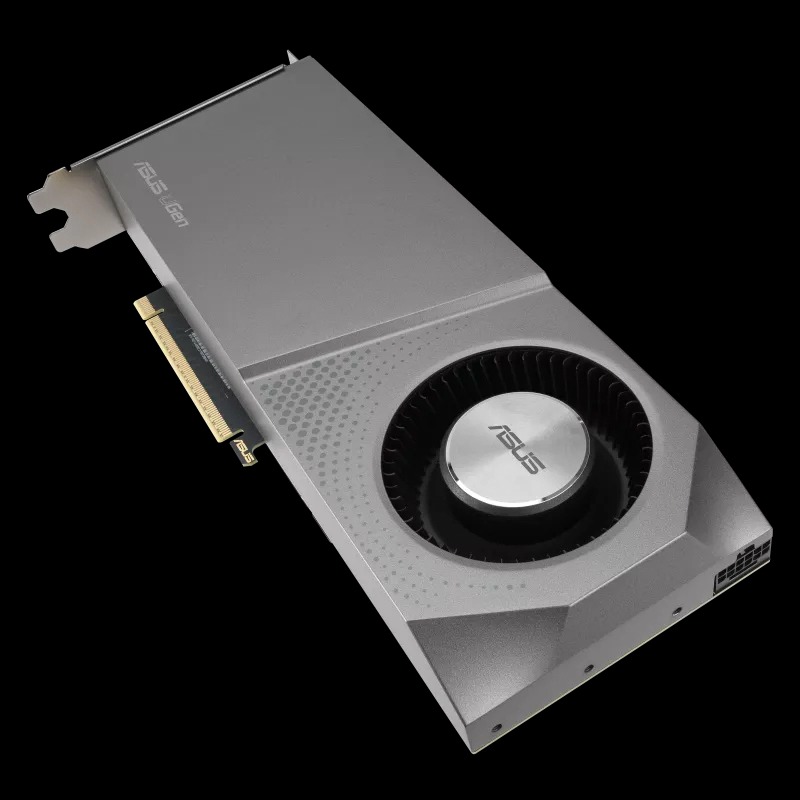
The timing is awkward for the “RAM belongs in the cloud” argument. IGN notes that RAM goes into nearly every consumer electronics product, not just machines running local models, and that this is why gaming hardware has risen in price this year. The outlet reports that scarcity caused by the AI boom continues to drive up costs, that used PS5 Pro consoles hit $1,399 this month after the official March price increase, and that the RTX 5080 has disappeared from Nvidia’s marketplace weeks after the RTX 5090 was all but discontinued. Online critics also pointed out that data-centre buildouts by firms like OpenAI are themselves straining memory supply.
There’s little sign of relief. IGN says Samsung’s latest earnings call confirms that more memory is flowing to AI companies and that the situation won’t improve next year. On the Q2 call, Samsung memory executive Jaejune Kim said constraints are expected to be even more severe in 2027 than in 2026, and that the shortage will persist through 2028. eWeek, citing Reuters, reports that Samsung’s HBM supply for 2027 is already sold out.
What it looks like in the UAE
Local prices show the squeeze at the component level. UAE wholesaler UAEPC, which is based in Sharjah, lists a 16GB DDR5 laptop module at AED 690 and a 16GB DDR5 desktop module at AED 700, with 8GB DDR5 laptop RAM at AED 355 against AED 138 for the DDR4 equivalent. These are the company’s own wholesale prices from 11 October 2026, not retail. The company says the average price of 68 matched used laptop models held at AED 811 over the same period, so a single DDR5 stick now costs more than many complete used machines.
What it means for buyers
Altman’s argument is a view from a company that rents out compute, and it won’t change the supply picture on its own. For anyone planning a PC build or upgrade in the Gulf, the more useful signal is Samsung’s outlook, which gives no support for waiting for a price drop in 2027. We recommend checking live listings from UAE, Saudi and Egyptian retailers before committing, since wholesale quotes like the ones above can move between updates.
Did Altman say people shouldn’t have RAM in their PCs?
Not in those terms. He called it “quite terrible” from a global allocation perspective for scarce DRAM to sit in personal computers used about 5% of the time, in answer to a question about running open-source AI models locally. He didn’t announce any policy or product.
Will RAM prices fall in 2027?
Samsung says no. On its Q2 earnings call, the company said supply constraints would be more severe in 2027 than in 2026 and that the shortage would persist through 2028.
How much does RAM cost in the UAE right now?
UAEPC’s wholesale list from 11 October shows a 16GB DDR5 laptop module at AED 690 and a 16GB DDR5 desktop module at AED 700. Retail prices will differ by store, so check current listings.