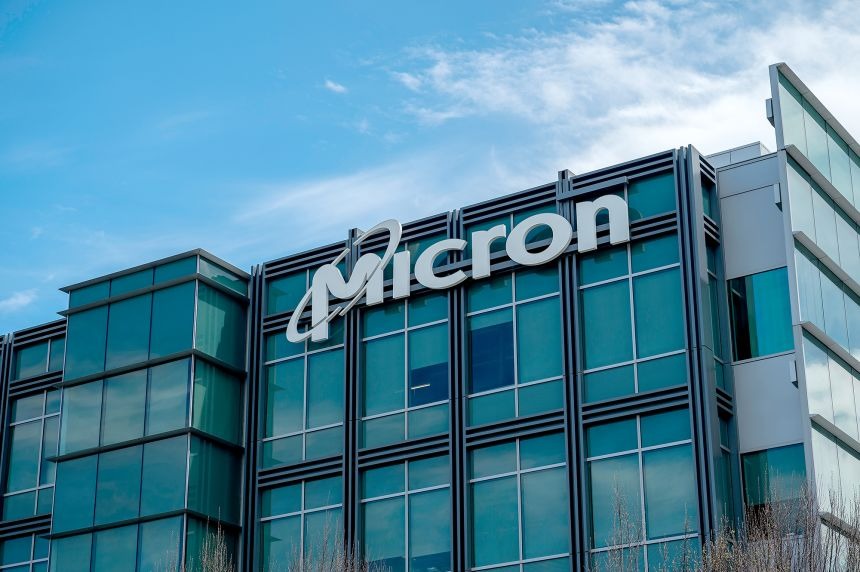
Samsung, SK Hynix and Micron — which make almost all the world’s RAM — face a class action lawsuit alleging they coordinated to fix DRAM prices and restrict supply, the claimed cause behind sharp rises in console, PC and electronics prices.
- The complaint accuses Samsung, SK Hynix and Micron of cutting DDR3 and DDR4 supply while pivoting production to high-cost HBM memory for AI datacentres.
- Microsoft raised Xbox console prices by between $100 and $150, citing memory and storage costs that "increased by more than 2.5x".
- Valve confirmed its Steam Machine will retail for over $1,000, while Sony, Nintendo and Apple have all raised hardware prices recently.
- In 2005, Samsung pleaded guilty and was fined $300 million for DRAM price-fixing; Hynix was fined $185 million; Micron avoided a fine by cooperating.
- The complaint calls the current conduct "the third such cycle in the same market, among the same firms".
Samsung, SK Hynix and Micron — which make almost all the world’s RAM — face a class action lawsuit alleging they coordinated to fix DRAM prices and restrict supply. The complaint claims they cut production of DDR3 and DDR4 memory for consumer devices, pivoted output toward expensive AI datacentre memory, and watched consumer prices spike as a result. If you’ve wondered why your next console, PC build or laptop suddenly costs more, this suit names who it thinks is responsible.
As reported by Law360 and picked up by Video Games Chronicle, the proposed class of individual and business consumers accuses the three of coordinated anticompetitive behaviour — the price surge the media has dubbed ‘RAMageddon’. These are allegations, not findings; none of the three has been found liable in this case. But the complaint leans hard on history, calling this “the third such cycle in the same market, among the same firms”.
What the lawsuit alleges
The core claim is that Samsung, SK Hynix and Micron acted together to keep conventional RAM scarce while shifting production to high-margin AI memory. The complaint describes a coordinated squeeze rather than separate business decisions that happened to line up.
The DRAM oligopolists have simultaneously cut production, coordinated a pivot to HBM and exit from DDR3 and DDR4, and otherwise decreased and locked up conventional DRAM supply while prices charged up with mind-blowing scale and rapidity.
Class action complaint
The argument hinges on what didn’t happen. In a normal competitive market, the complaint says, “prices climbing at that rate pull supply toward them” — at least one of the three should have spotted the rising prices and ramped output to grab customers, forcing the others to follow or lose sales. “That did not happen,” it states. The suit also claims the damage has landed on buyers, alleging that “consumer purchasers of conventional DRAM and devices incorporating it have paid supracompetitive prices and have otherwise suffered the impacts of a distorted market”.
What DRAM is and why gamers care
DRAM is the working memory inside everything you game on — PCs, consoles, handhelds, phones. When its price climbs, every device built around it gets more expensive to make, and that cost rolls downhill to you at checkout.
The lawsuit’s mechanism is a split in what the factories produce. HBM, or high bandwidth memory, is a high-cost, 3D-stacked form of DRAM bought mainly by AI datacentres. The complaint alleges the trio steered production toward HBM while reducing supply of the DDR3 and DDR4 used in consumer kit — in some cases “simply junking conventional DRAM supply channels altogether”. The result, it argues, is less memory for the products gamers buy and higher prices on what’s left. We’ve already covered how AI memory demand could push the PlayStation 6 to 2029, and this suit puts a legal frame around the same squeeze.
How it’s already hitting console and PC prices
The downstream effect is no longer theoretical — hardware makers are openly blaming memory costs for price hikes. Last week Microsoft raised the price of its Xbox consoles by between $100 and $150, saying memory and storage prices had “increased by more than 2.5x”. Apple raised prices across its hardware on the same day.
Before that, Valve confirmed its Steam Machine would retail for over $1,000, saying its “original goal for the price of Steam Machine is no longer viable”. Sony and Nintendo have both raised hardware prices in recent months, and analysts suggest further increases are possible if the situation continues — which, on current evidence, it looks set to. UAE pricing for these increases hasn’t been broken out separately; local readers should expect AED prices on consoles and components to track the global rises, but the source gives no confirmed GCC figures.
Why no rival can just undercut them
The complaint’s answer to “why doesn’t competition fix this” is that the door to the DRAM market is effectively bolted shut. The barriers it describes are why the same three names keep appearing.
Building a single DRAM fabrication plant can cost tens of billions of dollars and take years to finish. The manufacturing know-how, the suit argues, “comprise decades of accumulated trade secrets”, and US export controls “bar the only other procedures, in China, from acquiring current-generation equipment”. Put together: “The practical consequence is that when the three firms restrict supply, no outsider can expand output to undercut them.”
Why the ‘third cycle’ claim matters
The lawsuit’s sharpest point is that this isn’t the first time these companies have faced DRAM price-fixing accusations — it frames the current conduct as a repeat pattern, not a one-off. That history is doing a lot of the heavy lifting in the complaint.
Back in 2005, Samsung agreed to plead guilty and pay a $300 million fine for what the US Department of Justice called “an international conspiracy to fix prices in the DRAM market”. Hynix pleaded guilty and was fined $185 million, while Micron reportedly avoided a fine by reporting the incident and cooperating with prosecutors. The three were also investigated by the Chinese government over a price spike between 2016 and 2018. “The conduct alleged here is the third such cycle in the same market, among the same firms,” the complaint claims.
| Year | Event and outcome |
|---|---|
| 2005 | Samsung pleaded guilty to international DRAM price-fixing; fined $300 million. Hynix fined $185 million. Micron avoided a fine by cooperating. |
| 2016–2018 | Chinese government investigated the three over a DRAM price spike. |
| Now | Class action filed alleging coordinated DDR3/DDR4 supply restriction and pivot to HBM. Outcome pending. |
What happens next
None of the three manufacturers has publicly responded to the allegations in the source reporting, and there’s no published verdict, settlement or timeline — this is a complaint, and the claims remain unproven. For gamers, the practical takeaway is unchanged in the near term: memory costs are driving hardware prices up, and that’s unlikely to reverse on the strength of a freshly filed lawsuit alone. If you’re weighing a console, a new platform purchase or a PC upgrade, the pricing pressure is real and ongoing. What a successful suit could eventually do is force changes in how the trio manages supply — but that’s a long road, not a quick fix.
FAQ
Why are RAM prices so high right now?
A class action lawsuit alleges Samsung, SK Hynix and Micron — which make almost all of the world’s DRAM — coordinated to reduce supply of DDR3 and DDR4 RAM while pivoting production to high-bandwidth memory (HBM) for AI datacentres, causing consumer prices to spike. These are allegations, not proven findings.
What is RAMageddon?
RAMageddon is the term the media has used for the current sharp rise in RAM prices, attributed to alleged supply manipulation by the three dominant DRAM makers — Samsung, SK Hynix and Micron — and surging AI datacentre demand for high-bandwidth memory.
Have these companies been accused of fixing RAM prices before?
Yes. In 2005, Samsung pleaded guilty and paid a $300 million fine for an international DRAM price-fixing conspiracy, and Hynix pleaded guilty and was fined $185 million; Micron reportedly avoided a fine by cooperating with prosecutors. All three were also investigated by the Chinese government over a price spike between 2016 and 2018.
Why are Xbox, PlayStation and Nintendo raising prices?
Microsoft cited memory and storage prices having “increased by more than 2.5x” when it raised Xbox console prices by $100 to $150. Sony and Nintendo have also raised hardware prices in recent months, and analysts suggest further increases are possible if RAM costs keep climbing.