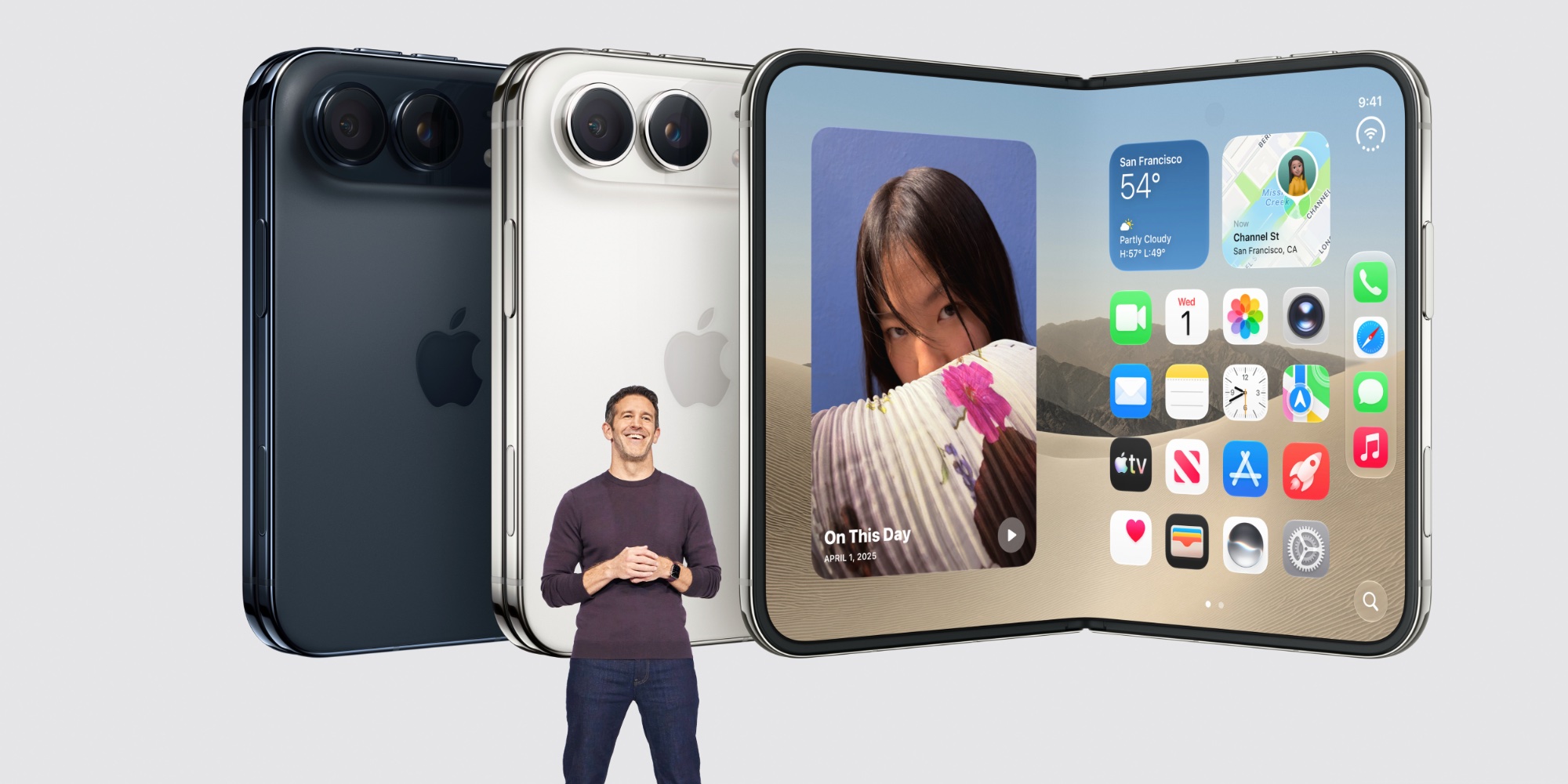
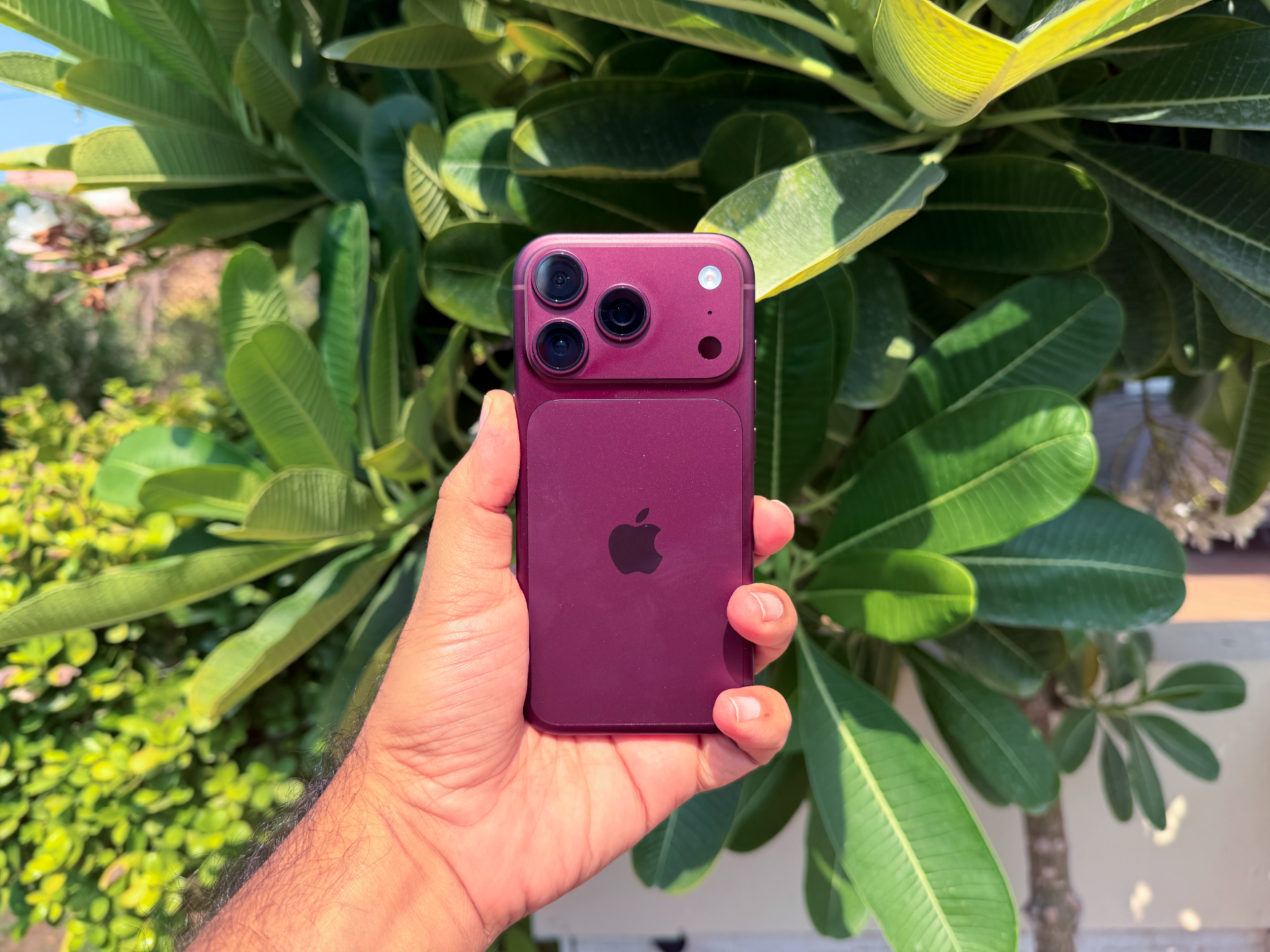
Apple’s first foldable iPhone is official. It is called iPhone Duo, it starts at AED 8,499 in the UAE, pre-orders open on Friday 16 October and it goes on sale on Friday 23 October. It comes in two colours, star white and night sky. The UAE is in Apple’s first wave of more than 70 countries, so the staggered-rollout worry that dominated the run-up did not materialise.
Our full launch story has the detail: iPhone Duo is official: Apple’s first foldable is AED 8,499 in the UAE. This page carries the confirmed numbers, how the pre-launch reporting held up, and where the Duo sits against the rest of the line-up.
iPhone Duo price in the UAE
| Item | UAE price |
|---|---|
| iPhone Duo | AED 8,499 |
| iPhone Duo Case (sand, navy blue) | AED 319 |
| iPhone Duo Folio with Kickstand (navy blue, taupe) | AED 529 |
Apple has not published prices for storage tiers above the entry configuration; we will add them when pre-orders open on 16 October. At AED 8,499 the Duo costs AED 3,000 more than an iPhone 18 Pro Max and around AED 1,300 more than a Galaxy Z Fold8, which starts at AED 7,199 here.
Release date and how to buy
- Pre-orders: Friday 16 October, from 5am Pacific — 4pm Dubai time.
- On sale: Friday 23 October in the UAE and 70-plus other countries.
- Second wave: 28 further countries from Friday 30 October.
- Software: ships with iOS 27.1, a point release ahead of the iPhone 18 Pro’s iOS 27.
iPhone Duo specifications
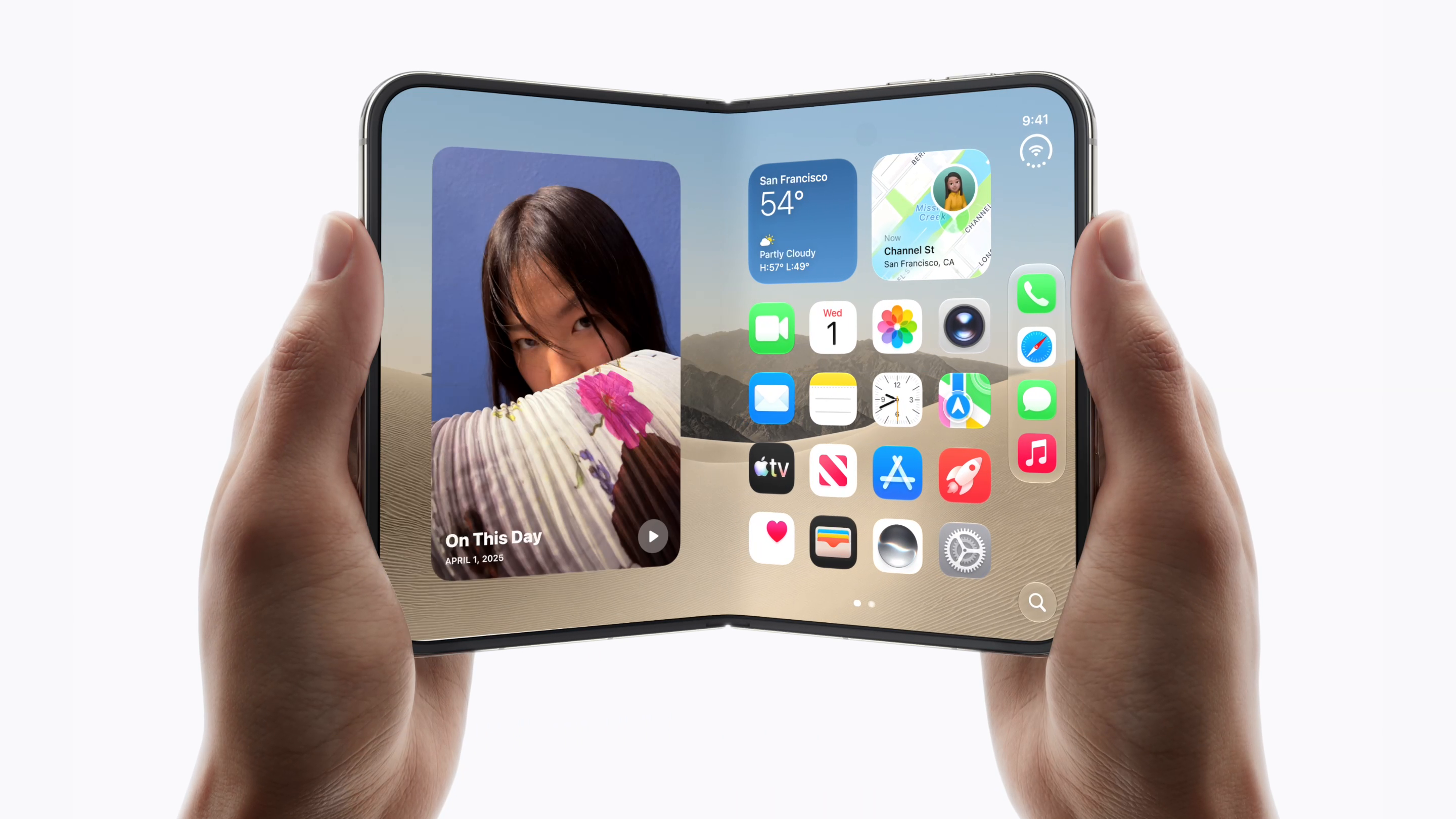
| Inner display | 7.6-inch Super Retina XDR, nano-texture, ProMotion, Always On, 3,000 nits |
| Outer display | 5.4-inch Super Retina XDR, 90% of the iPhone 18 Pro’s screen area |
| Chip | A20 Pro, 2nm, with custom vapour chamber; up to 35% better sustained performance than iPhone 17 Pro |
| Cameras | 48MP Fusion Main with 2x optical-quality crop, 48MP Fusion Ultra Wide, Center Stage front camera, hidden inner FaceTime camera |
| Battery | Dual cells: 31h video (inner), 44h video (outer), 24h mixed use; 50% in ~20 minutes |
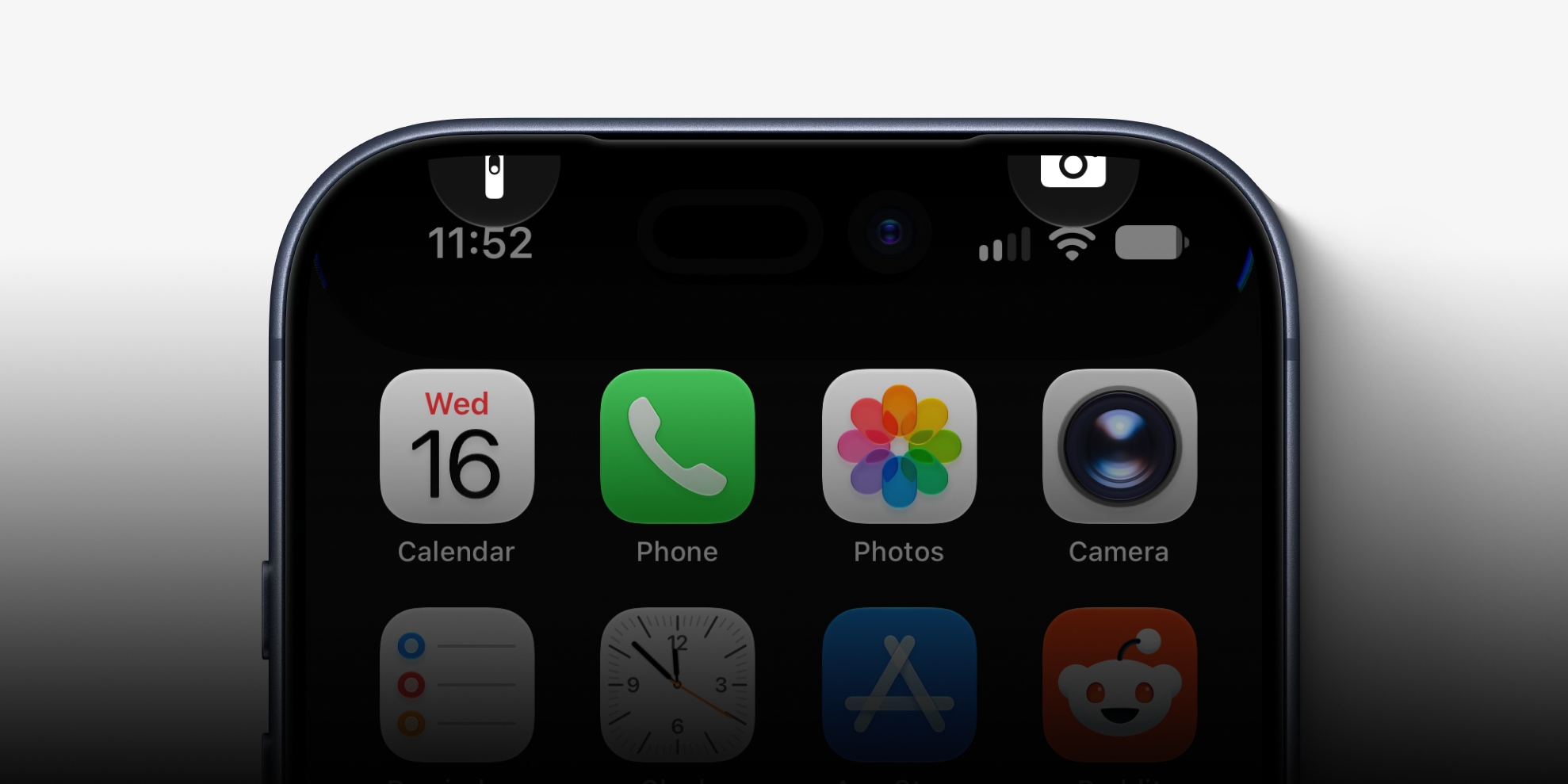
| Security | Touch ID in the side button — no Face ID |
| Build | Grade 5 titanium, Ceramic Shield 2 front, IP68, 100+ component hinge |
| Connectivity | eSIM only worldwide, N1 (Wi-Fi 7, Bluetooth 6, Thread), C2 modem |
| Colours | Star white, night sky |
What the leaks got right, and wrong
- Right: the name. Bloomberg’s late call of iPhone Duo over iPhone Ultra or iPhone Fold was correct.
- Right: the price. The $2,000 entry figure maps almost exactly to AED 8,499.
- Right: no Face ID, no telephoto. Touch ID sits in the side button and there are two rear cameras, not three.
- Right: an October release. Reports of a gap behind the iPhone 18 Pro were accurate — 23 October, five weeks later.
- Wrong: the UAE being left out. Claims of a US-first staggered rollout over two or three months did not hold. The UAE is in wave one.
- Wrong: the display size and colours. The inner screen is 7.6 inches, not 7.8, and the colours are star white and night sky rather than dark blue and white.
Should you buy it, or an iPhone 18 Pro Max?
If the camera is the reason you buy a phone, the iPhone 18 Pro Max is AED 3,000 cheaper and keeps genuine optical reach. If the screen is the reason, the Duo is a 7.6-inch iPad-adjacent display that folds into a pocket, with Split View putting two apps side by side on an iPhone for the first time. The unresolved question is the hinge, and only months of use will answer it. Our round-up of foldables available in the UAE covers what you can buy today.
Apple confirmed the foldable as iPhone Duo on 9 September; our iPhone 18 event live blog covered the announcement as it happened.
What is Apple’s foldable iPhone called?
iPhone Duo. Apple confirmed the name on 9 September 2026; iPhone Ultra and iPhone Fold were both wrong.
How much does the iPhone Duo cost in the UAE?
AED 8,499 to start. The iPhone Duo Case is AED 319 and the Folio with Kickstand is AED 529.
When does the iPhone Duo go on sale in the UAE?
Pre-orders open on Friday 16 October at 4pm Dubai time, with availability from Friday 23 October. The UAE is in the first wave of more than 70 countries.
Does the iPhone Duo have Face ID?
No. It uses Touch ID in the side button, and can also be unlocked with an Apple Watch.
Is it better than the Galaxy Z Fold8?
Not tested yet. The Samsung is AED 1,300 cheaper in the UAE and has a telephoto camera; Apple counters with the A20 Pro, a nano-texture crease-minimising display, dual batteries and iOS 27.
Should I buy the iPhone 18 Pro Max instead?
For most people, yes. It is on sale from 18 September at AED 5,499, has a stronger camera system, and does not carry first-generation folding hardware.