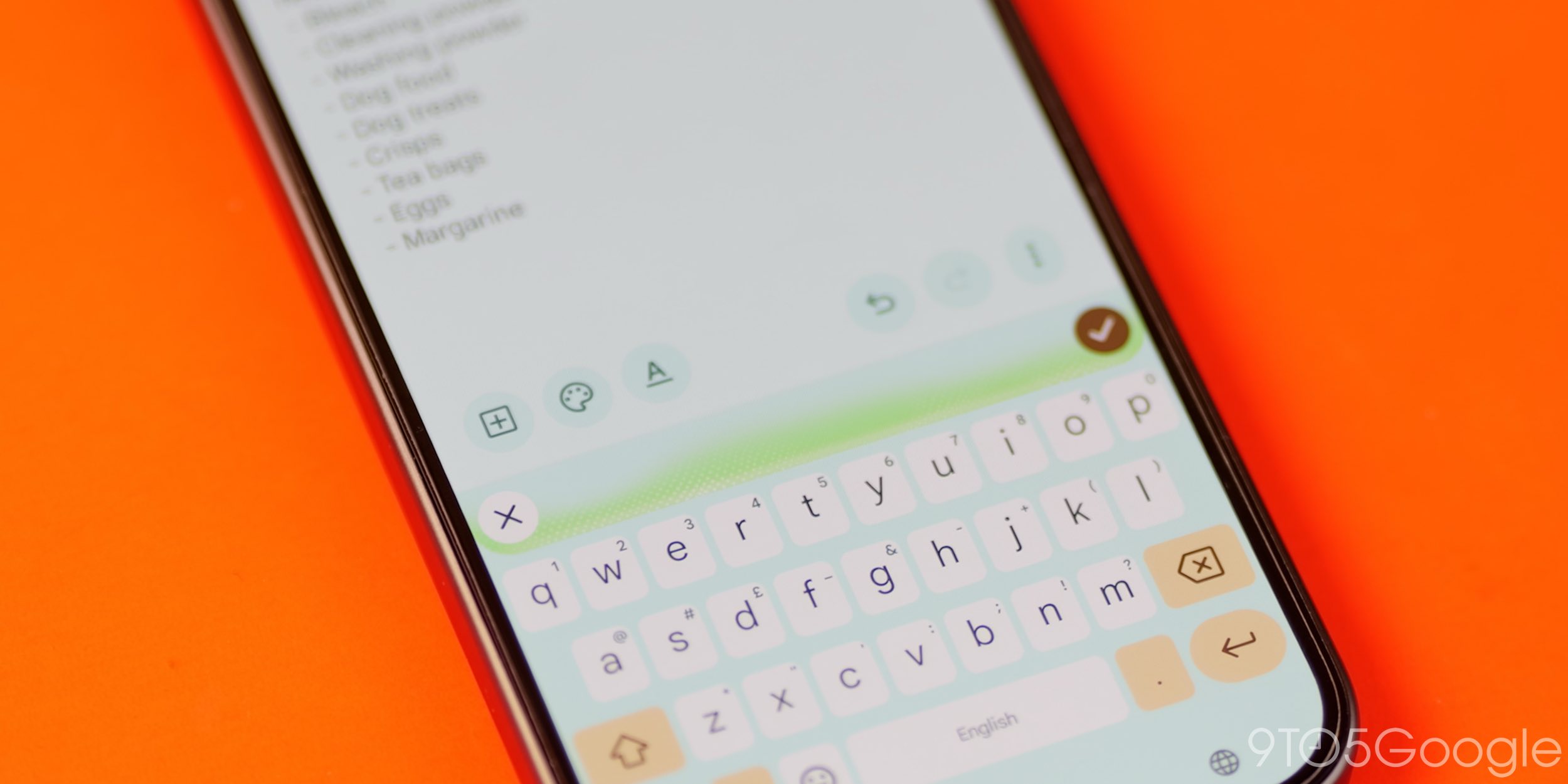
Android users outside Google’s Pixel range now have an unofficial way to try Rambler, the Pixel 11’s AI-assisted voice typing. Developer Akshay Kadam’s PixelBoard modifies Gboard to unlock the feature on supported phones, but it requires sideloading rather than a normal Play Store update.
The PixelBoard project offers a standalone keyboard that can sit alongside factory Gboard without root access. It isn’t a Google release, and its compatibility requirements are more specific than the promise of bringing Pixel features to any Android phone might suggest.
Cleaner dictation, not a verbatim transcript
Rambler turns spoken thoughts into edited text rather than preserving every hesitation. 9to5Google describes grammar and formatting improvements, removing filler words and verbal stumbles. The outlet also points out a trade-off: the lack of a live preview or word-for-word output can make the experience less predictable than traditional dictation.
In its own test, 9to5Google successfully installed PixelBoard on a Samsung Galaxy Z Fold 8 and reported that Rambler worked as it did on a Pixel 11. That’s evidence of a working non-Pixel installation, not a guarantee for every Samsung handset or Android build. Tbreak hasn’t tested the modification.
The developer also lists proofreading and tone rewriting among PixelBoard’s core functions. These let users correct text or change its style inside the keyboard, rather than switching to a separate writing app. It’s a similar use case to the AI voice typing already offered by SwiftKey, although this project takes the unofficial Gboard modification route.
The compatibility limits matter
The repository lists Android 10 through Android 16 Preview and the arm64-v8a architecture. Its recommended Gboard base is version `18.4.1.985164140-release-arm64-v8a`, with two other builds listed as compatible. Those are the developer’s stated requirements, not independent certification across that entire Android range.
The project also separates core dictation from more advanced Pixel features. Writing Tools V2 and the on-device AICore/Astrea inference options remain restricted to supported Pixel hardware. Installing PixelBoard on another brand’s phone therefore doesn’t turn it into a Pixel with every writing feature enabled.
That distinction also prevents a broader privacy assumption: the presence of an on-device option on eligible Pixels doesn’t establish that all AI processing stays on a non-Pixel phone. Users should check the project’s documentation before treating it as an offline dictation tool.
An experiment rather than an official rollout
PixelBoard offers a signed APK, an ADB installation route, and a patch bundle for Morphe Manager. Its standalone package uses a separate app identity, so users can retain their original keyboard. The developer explicitly disclaims any Google affiliation and supplies the software without a warranty.
For UAE and Saudi users, the unanswered question is language support, not a local price. The README claims multilingual dictation, but neither the project documentation read for this report nor the outlet’s test verifies Arabic dictation or regional service availability. It shouldn’t be treated as a confirmed Arabic-language upgrade.
The appeal is speech cleanup, a function also central to Google’s Gemini 3.5 Transcribe announcement. Here, though, access comes through a third-party keyboard modification. Anyone considering it should weigh that access against the trust required when installing software that handles typed and dictated text.
Does PixelBoard require root access?
No. The developer says its standalone keyboard installs without root and can coexist with stock Gboard. That doesn’t remove the security and stability risks of sideloading a modified app.
Is this an official Google update for other phones?
No. PixelBoard is an independent modification, not a Google-supported rollout. The report doesn’t establish whether or when Google will officially expand Rambler beyond its current devices.