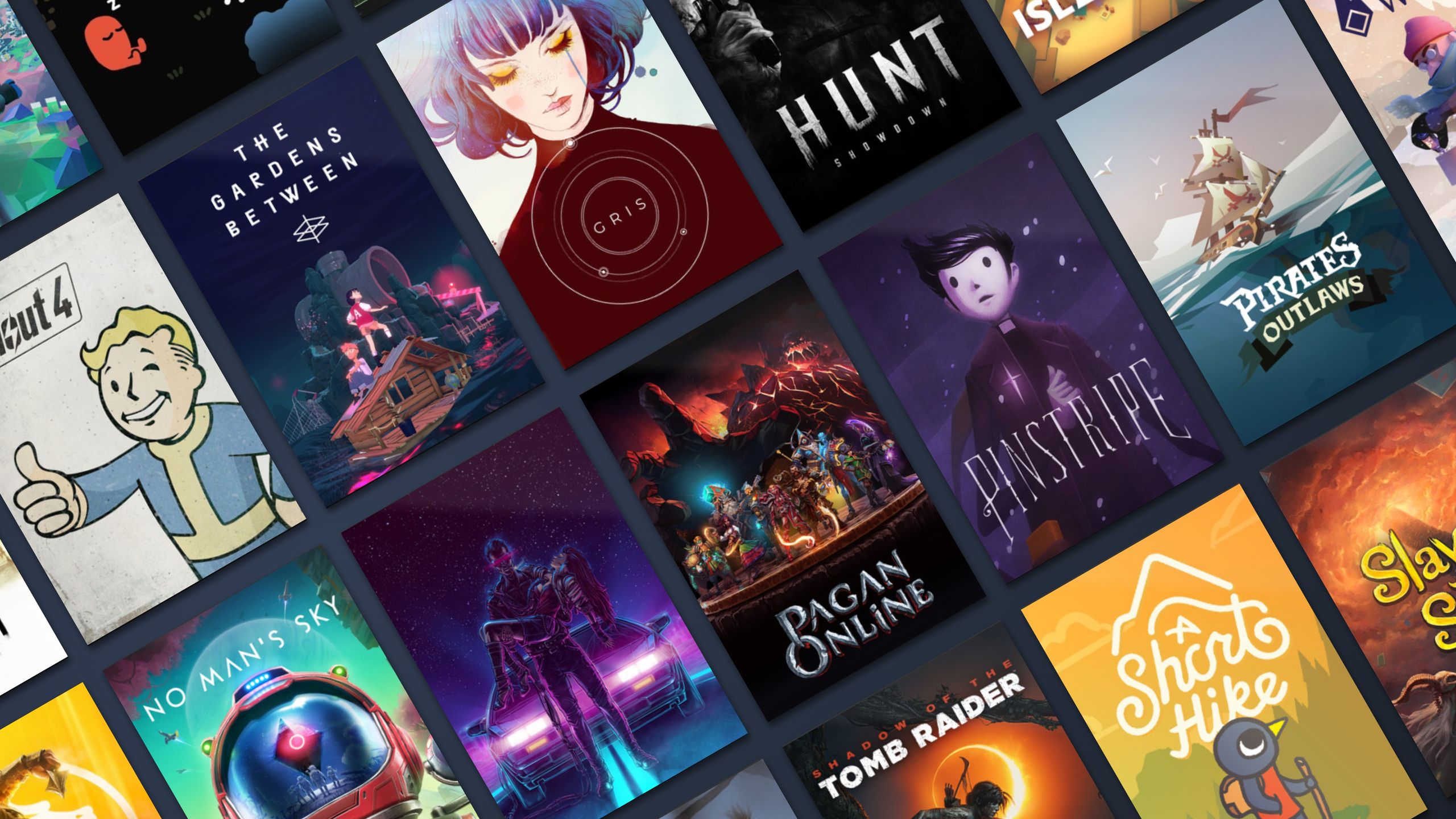
Valve says it knows Steam Next Fest lets too many low-quality games reach players, and that staff are working on it, but it has no plans to police which tools developers use, AI included. The comments came during a Q&A at the Steam Indie Connect event in South Korea on 27 October, where Steam Business Team members Tom Giardino and Marc Wilkinson fielded questions from local developers. VGC picked up the exchange from Inven Global, which was in the room.
Why Next Fest lets weak games through
One developer said they’d taken part in the latest Next Fest, saw disappointing results, and had noticed complaints online about low-quality games crowding the event. Wilkinson explained that Next Fest shows games to players on a virtually random basis for the first two days, after which personalised recommendations take over and surface titles each player is more likely to enjoy. He suggested that many of the articles about a flood of poor games drew on those opening two days.
The random start is deliberate. According to Inven’s transcript, Wilkinson said it stops developers from gaming the system by entering early for instant visibility, and gives every game a fair share of exposure. He conceded the cost: “We recognize that the trade-off is some low-quality games get exposed,” adding that “a significant number of people are thinking about how to solve this problem.”
Scale is part of the problem. Giardino said that three years ago he was urging developers to join Next Fest because only 50 or 100 games took part, whereas the number now runs into the thousands. He described it as the pendulum swinging to the opposite side.
No gatekeeping on AI tools
On AI itself, Giardino drew a firm line. He said the decision to use it belongs to each developer, adding, as transcribed by Inven: “We don’t want to be gatekeepers telling developers which tools they should or shouldn’t use.” He also noted that cloning games predates AI, which has only sped up the habit of spotting a good idea at Next Fest and rushing out a copycat.
That framing shaped his answer on a more worrying report. A developer said indie studios have been getting extortion emails threatening to clone their game with AI and release it first unless they pay. Giardino called extortion closer to a matter for law enforcement than for a game platform, but said Valve wants to look into any cases that are reported to it. He added that Steam focuses less on removing copies than on giving weight and discoverability to the original.
His advice to developers worried about clones was to build community and keep improving the game. He compared it with Valve’s long-standing approach to piracy, which favours making the legitimate version the best one over aggressive DRM. Giardino put it this way: “Rather than relying on a single mechanic that someone can easily copy, you need to keep growing your game by adding features, personality, and creativity that stem from your own perspective.”
A familiar request, a familiar answer
Giardino said the call to filter out unwanted games isn’t new. When Steam Greenlight launched around 14 years ago, developers asked whether Greenlight titles could be hidden, and the same happened when Steam Direct, the current self-publishing system, arrived with requests for a checkbox to hide its games. Each time, he said, Valve chose to improve the shopping experience rather than turn developers away or pre-sort good games from bad.
“We don’t think we’re perfect and there’s plenty of room for improvement,” Giardino said. “Rather than limiting developer access, making Steam a smarter and more dynamic platform is the starting point of our philosophy.” Valve also kept the door open for both Next Fest and seasonal sales, he said, while refining page layouts and placements.
What Valve told developers about getting noticed
The session went beyond AI, and the visibility advice is the most practical part for studios. Wilkinson said wishlists don’t affect visibility on Steam. In his words, what drives it is the number of people buying and playing the game. He pointed to titles that launched with 3 million wishlists and still slid off the charts because of a poor player experience, and to games with almost none that became hits. Giardino’s suggestion was to treat wishlists as a gauge of marketing effort, such as checking whether they rise after an ad or a week of TikTok videos.
Valve also highlighted two tools. The Wishlist Data API lets developers pull wishlist figures by period, country and language using an App ID and date range. The Personal Calendar, which has moved from a Steam Labs experiment to an official store feature, recommends upcoming releases wishlisted by players with similar play styles. Games need a set official release date to appear in it, and Giardino said exposure there doesn’t recur once one to two weeks have passed after launch. He called it virtually the only space on Steam dedicated purely to brand-new releases.
For context on the audience, Inven reports that the presentation materials put Steam’s recent peak at 43.5 million concurrent users worldwide. The event was co-hosted by Valve, the Busan Indie Connect Festival Organizing Committee and the Korea Creative Content Agency.
Is Valve adding an AI filter to Steam?
Valve didn’t announce one. Giardino said the company doesn’t want to tell developers which tools to use, and he recalled that similar requests to hide Greenlight and Steam Direct games were answered with store improvements instead.
Do wishlists boost a game’s visibility on Steam?
Wilkinson says they don’t. He said the number of people buying and playing a game drives visibility, and that wishlists are better used to measure how well your marketing is working.
What should developers do if they get an AI clone extortion email?
Giardino said extortion is more a matter for law enforcement than for Steam, but that Valve wants to hear about reported cases and will look into them. He said it was the first time he’d heard of such threats.