Apple has put a touchscreen on the Mac. The MacBook Pro with a PROLED XDR Display adds Touch, a Dynamic Island, and a tandem OLED panel to the 14- and 16-inch models, and UAE pre-orders open today, 28 October, from AED 11,999. Units start arriving on Friday, 6 November, which matches the date we flagged in our earlier report on the rumoured launch.
The machine has no new name, so it’s simply the MacBook Pro with PROLED XDR Display. Apple pitches it first as a pro machine, with M5 Pro and M5 Max chips, up to 128GB of unified memory, and storage that now configures up to 16TB. Apple’s chief hardware officer, Johny Srouji, calls PROLED XDR “the world’s best laptop display”.
UAE pricing
Apple’s UAE pricing runs across four starting configurations, each with a lower education price.
| Model | Chip | Price | Education price |
|---|---|---|---|
| 14-inch | M5 Pro | AED 11,999 | AED 11,399 |
| 16-inch | M5 Pro | AED 14,499 | AED 13,599 |
| 14-inch | M5 Max | AED 19,299 | AED 17,999 |
| 16-inch | M5 Max | AED 20,999 | AED 19,599 |
Apple also lists its power adapters at AED 249 (70W), AED 329 (96W) and AED 409 (140W), plus the World Travel Adapter Kit at AED 169. Configure-to-order options sit on Apple’s MacBook Pro page. Anyone weighing the move may want to read our piece on whether to wait for a touchscreen MacBook, which was written before the launch.
The PROLED XDR display
The panel is the headline, and Apple says it reworked every layer of the tandem OLED stack to keep brightness and grayscale uniform while cutting the internal reflections common to OLED. The company quotes up to 2000 nits peak brightness in both HDR and SDR, a 10,000,000:1 contrast ratio and a 120Hz variable refresh rate. ProMotion drops as low as 10Hz to save power. A display engine adjusts each pixel in real time for content, temperature, usage and environment, and Apple calibrates every panel at the factory.
Colour is where the pitch turns to creative work. The display covers P3 and, for the first time, Adobe RGB, which Apple says matters for photography and design, and it reaches more than 80% of Rec. 2020 for HDR grading. Both gamuts live in a single default preset, so switching doesn’t change modes. It includes the Apple Pro Display Calibrator and industry reference modes, along with new DICOM modes for reviewing medical images for research and educational purposes.
The panel also links to the rest of Apple’s range. Apple Color Matching Function 2026 keeps colour consistent when the laptop sits beside an iPhone 18 Pro or a Studio Display XDR. For anyone choosing between desk displays, our comparison of the Studio Display XDR and Pro Display XDR covers that side of the lineup. Genlock support synchronises the screen’s refresh rate with a camera’s capture, which Apple pitches at virtual production and on-set work. The optional nano-texture finish is now etched into the cover glass itself, and an antireflective coating handles bright rooms.
Touch, Dynamic Island and a lighter body
Touch is the first on a Mac, and Apple says the sensor is built into the display panel rather than layered on top, which cuts latency. Standard gestures cover swiping, pinch-to-zoom, drag and drop, double-tap to fill a window and flick to tile. Because macOS translates touches into clicks, many existing apps work immediately, and updated gesture APIs let developers build for Touch properly. The keyboard and trackpad remain in play, and a redesigned hinge is meant to keep the screen steady when you tap it.

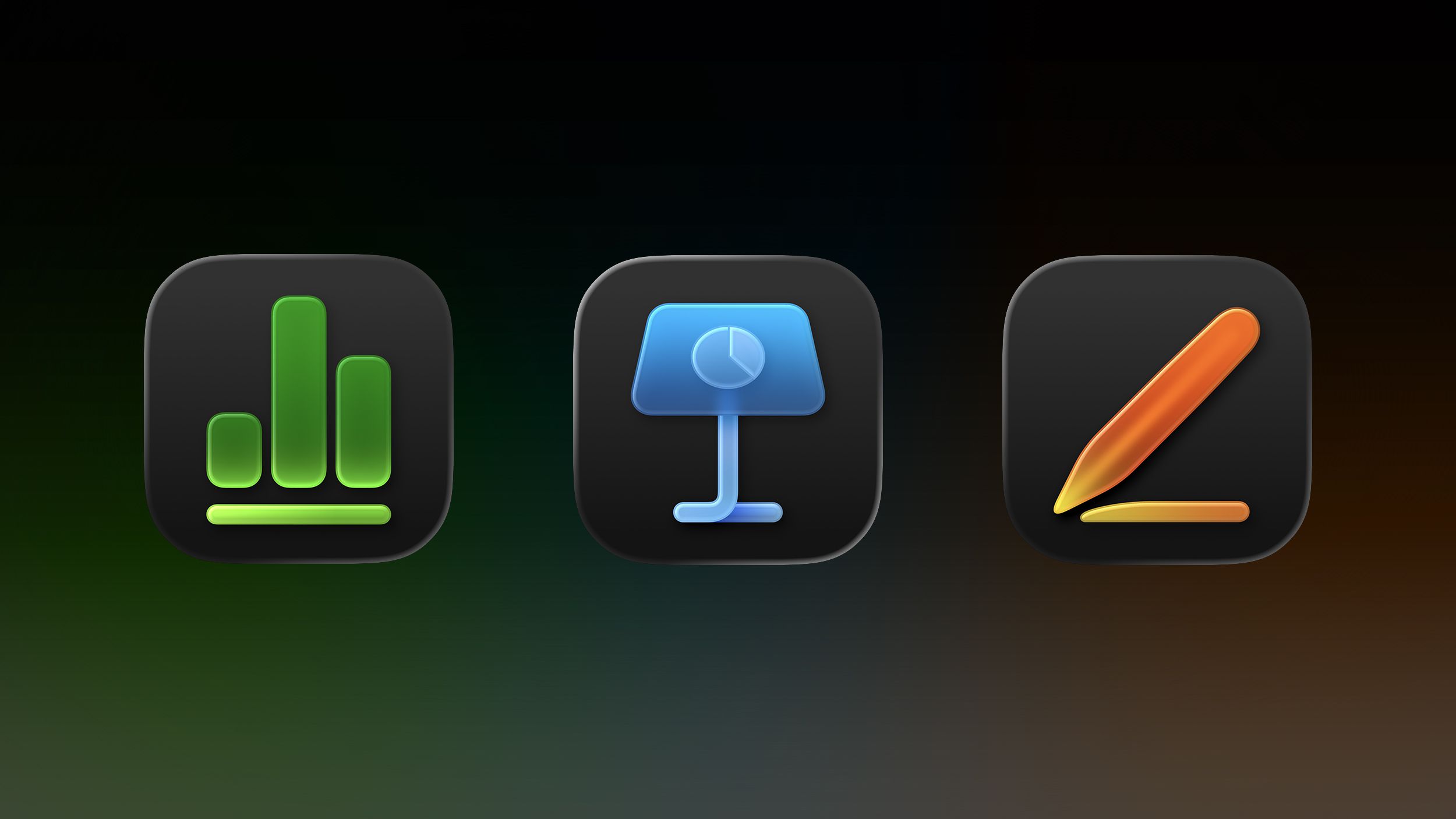
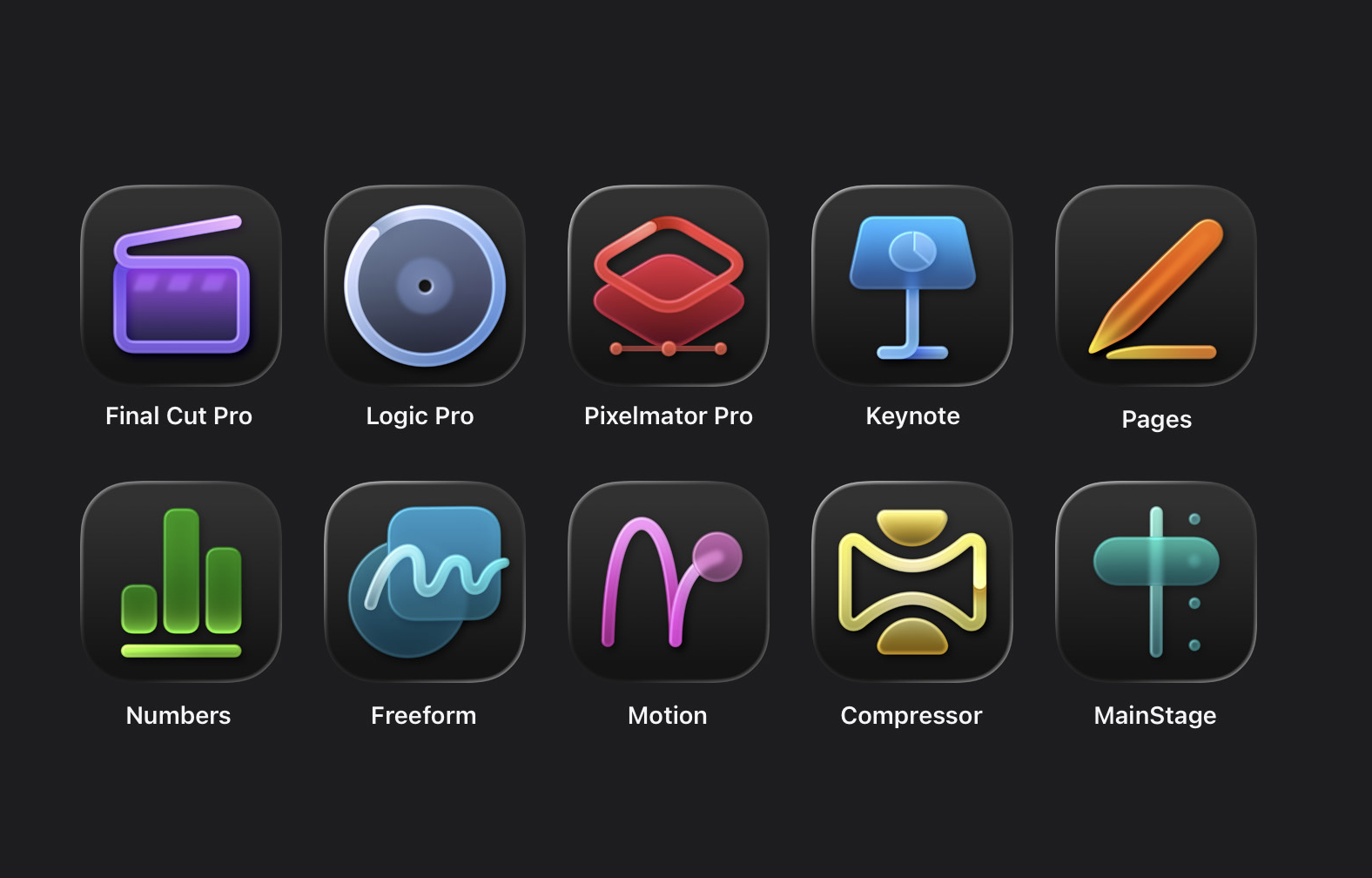
Apple names Notion, Canva, Zoom, the Microsoft Office apps, Adobe Lightroom, DaVinci Resolve, Blender, Maxon Cinema 4D and ZBrush, Shapr3D and Algoriddim djay Pro among the third-party apps adding Touch support. Apple’s own Creator Studio apps get touch-specific updates: Pixelmator Pro lets you draw on the canvas, Logic Pro offers a multi-touch polyphonic keyboard with chord and drum pads, and Final Cut Pro supports touch range-marking and pinch-to-zoom on a cut. The Dynamic Island, borrowed from the iPhone, handles calls, music controls, Live Activities and AirDrop requests.

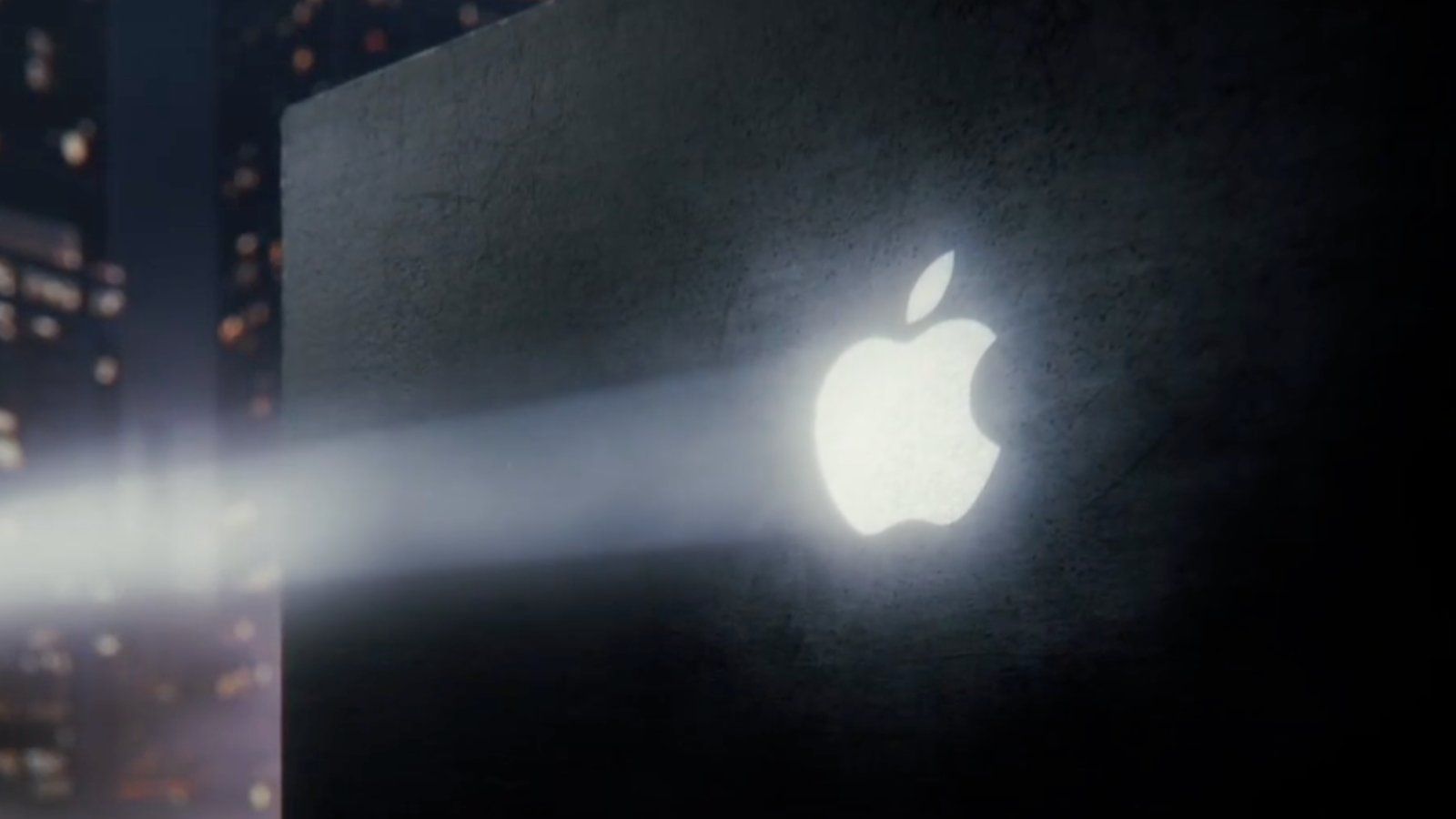
OLED’s thinner display stack also lets the chassis slim down. The 14-inch model weighs 3 lb, half a pound less than before, and the 16-inch weighs 4 lb, 0.7 lb lighter. Slimmer bezels grow the screens to 14.2 and 16.3 inches. A redesigned thermal architecture is meant to preserve sustained M5 Pro and M5 Max performance, and Apple quotes up to 24 hours of battery life, with 50 percent fast charging in 30 minutes. Engadget’s live coverage from the Los Angeles launch also spotted that the glowing Apple logo on the lid is back. For background on the panel tech ahead of the launch, see our earlier look at the OLED display.
Chips, ports and audio
The M5 Pro and M5 Max carry a Neural Accelerator in each GPU core, which Apple says speeds up on-device AI work such as running a coding agent with a local LLM. Apple says the M5 Max can run models with hundreds of billions of parameters entirely on the device. The GPUs also get a third-generation ray-tracing engine and Dynamic Caching.
Connectivity stays generous: three Thunderbolt 5 ports, HDMI, an SDXC card slot, MagSafe and a headphone jack, plus Wi-Fi 7, Bluetooth 6 and Touch ID. The M5 Pro supports up to three external displays alongside the built-in screen, and the M5 Max supports up to four. A six-speaker system gets a new woofer for 50 percent deeper bass, and closed-lid audio tuning arrives for use with an external display. The laptop runs macOS 27, called Golden Gate.
Creator Studio and trade-in
Apple Creator Studio updates arrive on the App Store in November, free for existing subscribers. New subscribers pay AED 49.99 a month or AED 499 a year, or AED 9.99 a month and AED 99 a year with education pricing. New subscribers get a one-month trial, and buyers of a new Mac or qualifying iPad can get three months free. Apple Trade In and year-round education pricing apply to the new MacBook Pro.
When can I buy the new MacBook Pro in the UAE?
Pre-orders open today, 28 October, on apple.com/store and in the Apple Store app. Apple says deliveries, Apple Store stock and Authorised Reseller availability begin Friday, 6 November.
Will my existing Mac apps work with Touch?
Many will from day one, because macOS translates touches into clicks. Apps that want touch-specific controls need to adopt Apple’s updated gesture APIs, and Apple says a range of third-party apps will do so.
How many external displays can it drive?
The M5 Pro models support up to three external displays, and the M5 Max models support up to four, in addition to the built-in PROLED XDR screen.