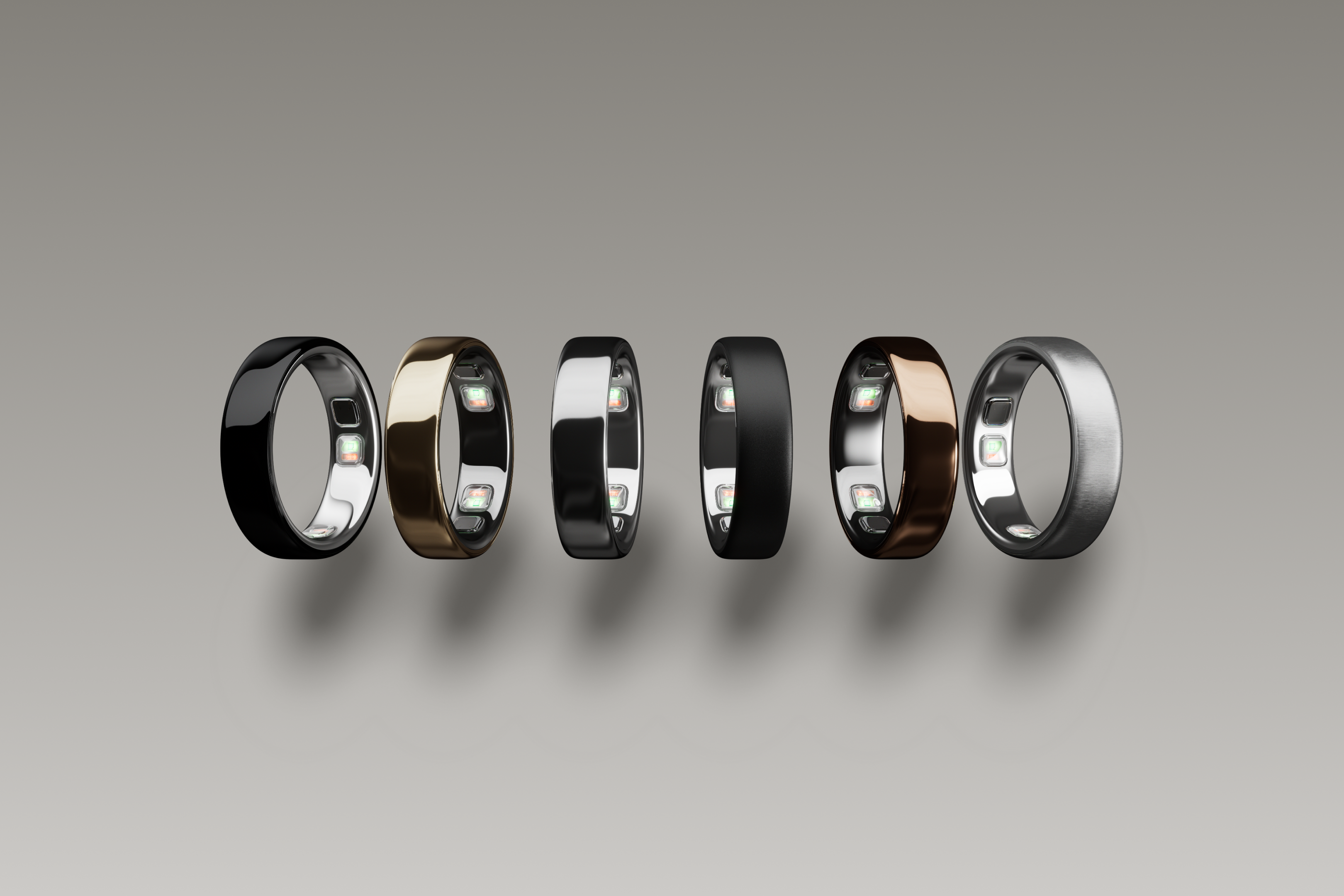
A proposed class action filed in San Francisco accuses smart ring maker Oura of misleading customers about sleep-tracking accuracy, alleging that its rings rely on AI estimates with “a coin flip’s chance of being correct.” The Oura Ring lawsuit was filed on August 20 in the Northern District of California by Clarkson Law Firm on behalf of Madison Surber, who bought an Oura Ring 4 for about US$514 in May 2025.
The complaint argues that Oura rings cannot measure the physiological signals needed to assess sleep quality or determine sleep stages — sleep, it notes, happens in the brain, not on one’s finger.
What the Oura Ring lawsuit alleges
Oura has marketed its rings as “built for accuracy” and offering “unparalleled accuracy”, first claiming 79 per cent accuracy and, more recently, 95 per cent sleep-staging accuracy compared with clinical sleep labs. The complaint’s answer: measuring true sleep stages requires electrodes on the scalp and sensors on the eyes — equipment found in hospital sleep labs, not inside a ring. Independent studies cited in the filing put real-world sleep-stage classification accuracy at around 53 per cent.

“When people rely on a device to guide decisions about their health, misinformation cannot be tolerated. Oura users trust that the numbers on their screen reflect reality. People structure their days, interpret the way they feel, and design their lives around inaccurate figures spit out by these devices.”
Ryan Clarkson, co-founder and managing partner, Clarkson Law Firm
The suit lands at an awkward moment for Oura. The company confidentially filed for a stock market listing in May, with a debut possible before the end of the year. Clarkson Law Firm has form here: it recently helped secure a US$250 million settlement from Apple over promised AI features that never arrived. Oura also faces a separate arbitration claim over the collection of health data without consent. The company has not commented publicly.
What it means if you wear an Oura Ring in the UAE
Oura is a fixture of the UAE wearables market: the Oura Ring 5 sells for Dh1,599 locally, and tbreak’s review of the current generation found little to fault. The lawsuit is a US class action, so it changes nothing directly for local buyers — but the ring sold here carries the same hardware, the same software and the same accuracy claims. If the case ends in revised marketing or a settlement, the changes would apply to the product on sale in the UAE.
Local users lean on these scores: Oura’s own data previously found the UAE has the world’s highest share of night owls. A device whose sleep verdicts are being challenged in court is one to watch for anyone tracking their rest here.
TechCrunch first reported the filing; the full complaint is available online.
Some links in this article are affiliate links; tbreak may earn a commission from qualifying purchases.
Why is Oura being sued?
A proposed class action filed by Clarkson Law Firm in San Francisco claims Oura rings cannot measure sleep stages, and that the company’s accuracy marketing is misleading. The complaint says the rings rely on AI estimates with “a coin flip’s chance of being correct.”
Can an Oura Ring accurately track sleep stages?
The lawsuit says no — true sleep-stage measurement needs electrodes on the scalp and sensors on the eyes, which a finger ring does not have. Studies cited in the complaint put real-world sleep-stage classification accuracy at around 53 per cent. Oura has not commented publicly.
Does the Oura Ring lawsuit affect buyers in the UAE?
Not directly — it is a US class action. The Oura Ring 5 sold here for Dh1,599 uses the same hardware, software and accuracy claims, so any outcome that changes Oura’s marketing would apply to the product sold in the UAE.