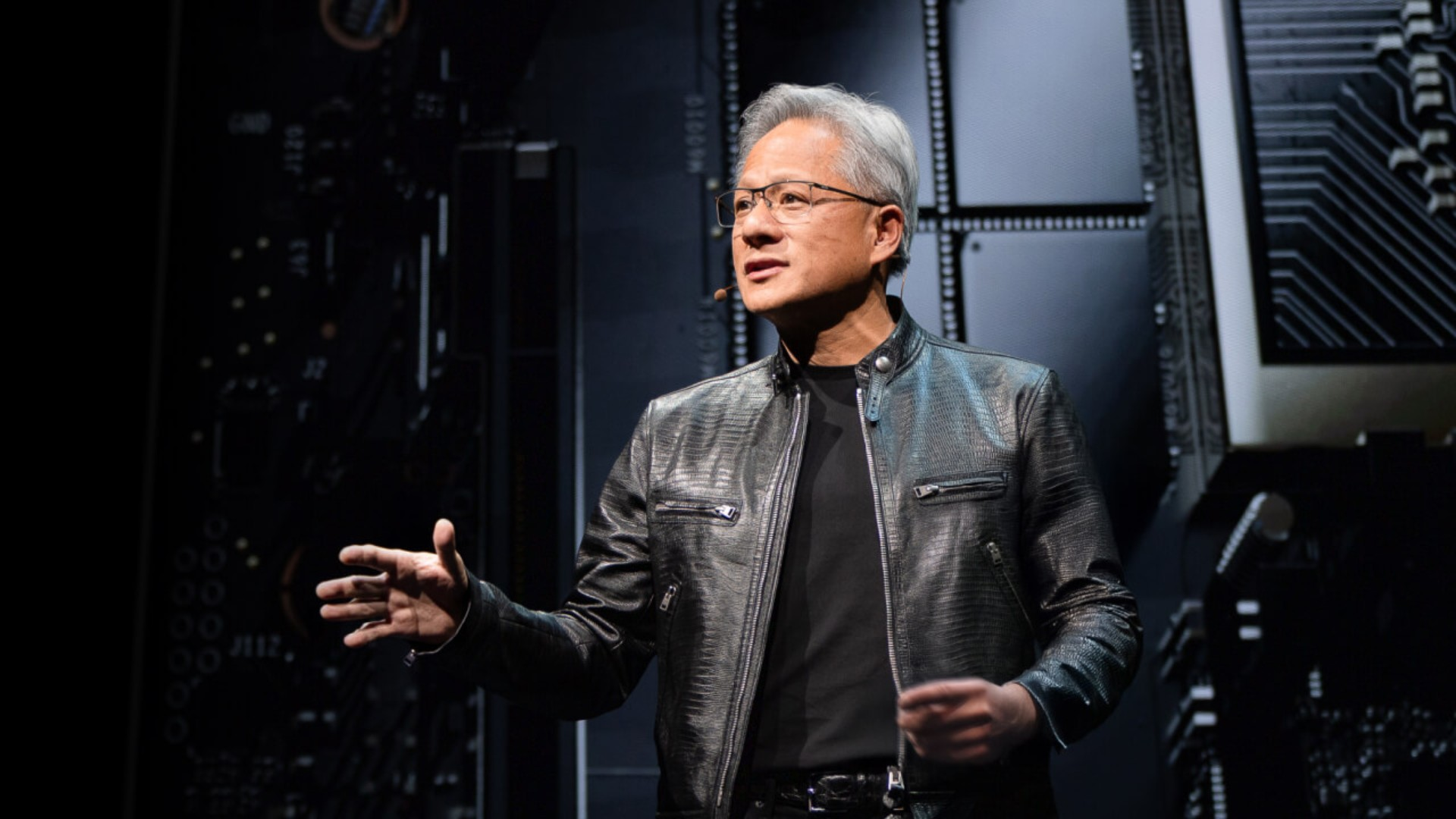
Nvidia CEO Jensen Huang says he would stop supplying chips to a customer that was building unsafe AI software, though he describes the scenario as hypothetical and says he doesn’t think today’s level of concern about AI is warranted. Asked by Bloomberg’s Emily Chang in London whether he would halt supply to an irresponsible developer, Huang replied, “It’s a hypothetical, but yes.” The comments appear in Bloomberg’s interview, published on 14 October.
The threat comes with caveats attached. Huang said a conversation would come first, that Nvidia doesn’t run other people’s companies, and that there’s a limit to the judgment it applies to how customers use its technology, which he called general-purpose. In other words, the cut-off is a last resort, and Nvidia isn’t positioning itself as a policeman for every workload that runs on its GPUs.
Growing pains, not a crisis
Huang used the interview to push back on the AI alarm. According to Quartz, he said safety fears are part of the growing pains of a fast-expanding industry, and that he believes the software can be controlled and deployed safely. He called some of the concern “self-imposed” and said the industry is doing a “horrible job” of explaining the technology’s benefits.
His proposed fix is more AI, not less. “We should accelerate the development of monitoring technologies, and AI is that monitor,” Huang said, adding that AI technology should therefore be accelerated. That sits awkwardly beside the supply-cut remark, since Nvidia’s position in the market for AI training and inference chips gives the threat its weight. Bloomberg describes that position as commanding.
$250 million for UK safety research
Alongside the comments, Nvidia is backing safety work in Britain. The company is donating $250 million over five years toward UK AI safety research. TipRanks reports the support takes the form of time on advanced computers, with institutions including Oxford and UCL studying safeguards and ways to control AI agents.
The interview took place while Huang is on a European tour. He is in the UK ahead of a company event in Berlin.
Huang didn’t name any customer, and Nvidia hasn’t announced a formal process for deciding when to stop supply. For now, the statement reflects an executive’s view of where the line sits, not a change in how Nvidia sells its chips.
Has Nvidia actually cut anyone off for building unsafe AI?
No such case has been reported. Huang called the scenario hypothetical and said a conversation would come before any supply decision.
What is Nvidia’s $250 million pledge for?
Nvidia is donating $250 million over five years toward UK AI safety research. According to TipRanks, it comes as access to advanced computing time for institutions including Oxford and UCL.
Does Huang think AI is dangerous?
He says current concern is overblown and that AI can be kept in check. His preferred answer is faster development of AI-based monitoring tools.