Microsoft says Windows 11 is now up to 20 percent more responsive, and the company points to memory management as the biggest reason. According to The Verge, the gains are most noticeable on PCs with just 8GB of RAM, the configuration that has drawn the most complaints about sluggish performance.
The work follows a plan Microsoft laid out earlier this year to fix Windows 11, focusing on performance, reliability and the overall experience. Microsoft has tuned Start, File Explorer, Search, and Edge to feel quicker. “A big part of that work is making smarter use of memory and system resources,” said Navjot Virk, corporate vice president of Windows experiences at Microsoft. “We’ve improved memory management and efficiency across Windows to help keep more of your PC’s resources focused on what you’re actively doing.”
For 8GB machines, Virk said the changes make a “meaningful difference”. Windows can now keep up to 2GB more of your active data in memory instead of pushing it to slower storage, which cuts the stalls you notice when you switch between apps.
He also said Widgets now load only when you open them on PCs with 8GB of memory or less, which frees more than 200MB for your apps. It’s a small saving on paper, but on a machine with so little headroom, every hundred megabytes counts. We covered the pressure on this configuration when Microsoft promised a slimmer Windows 11 for 8GB PCs, and this is the first set of concrete numbers behind that promise.
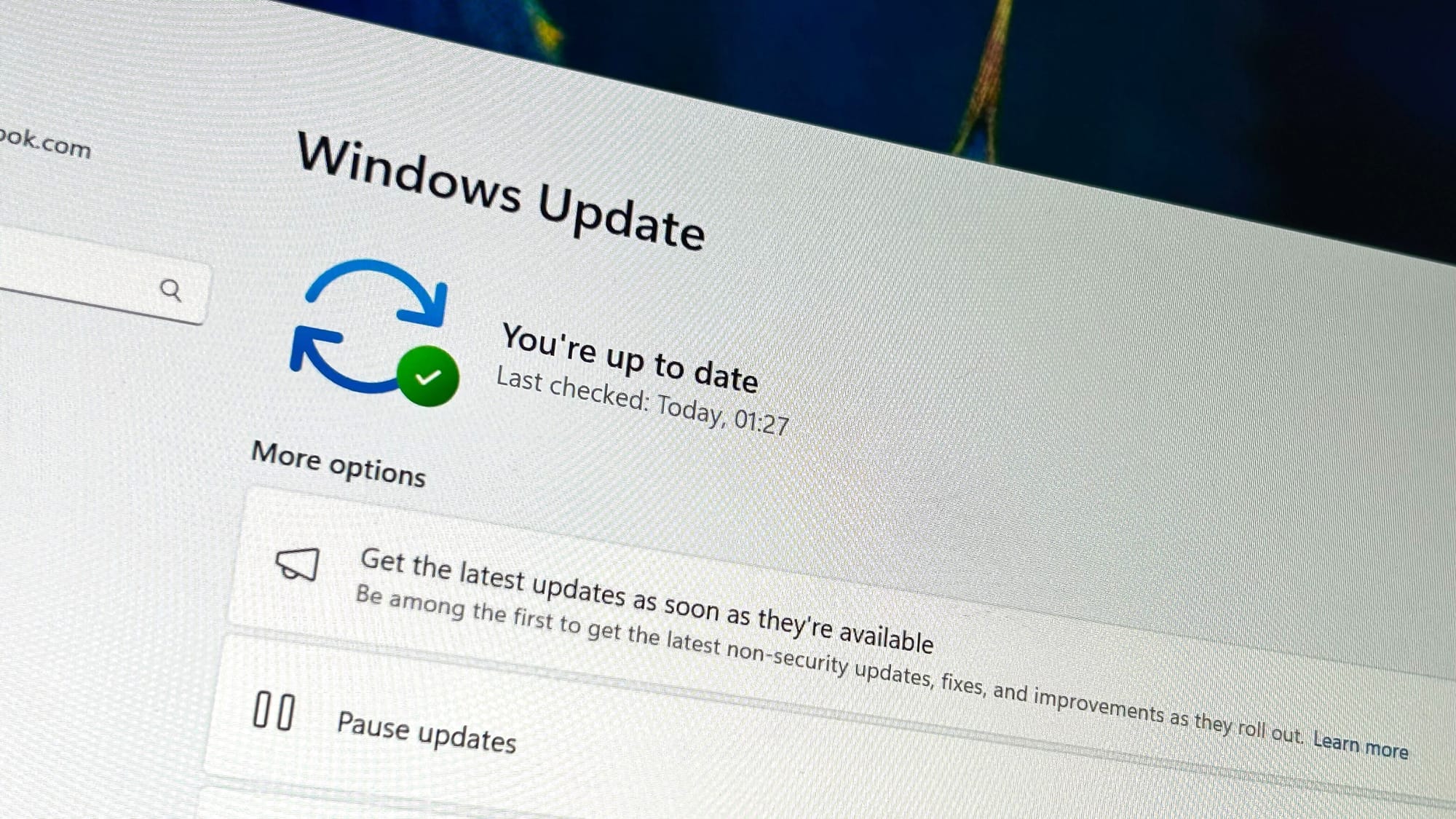
Memory isn’t the only change. Microsoft has made Windows Update less disruptive and cleaned up the Widgets section. You can finally reposition the taskbar to the sides or top of the display. Windows Hello sign-in is faster, and Bluetooth pairing is more reliable, including an AirPods pairing experience Microsoft says is up to 15 seconds quicker.
Next up is a new Windows Search that The Verge’s Tom Warren describes as faster and more capable. Warren tried it last week and called it one of the best additions to Windows 11 this year. It’s available to Windows Insiders now, and Microsoft says it will “roll out more broadly later this year”. The push for speed also fits with Microsoft’s plan to move to fully native Windows 11 apps, away from web wrappers that tend to eat memory. An earlier Windows 11 update also went after responsiveness.
Will Windows 11 run better on my 8GB laptop?
Microsoft says the memory changes make a “meaningful difference” on PCs with 8GB of RAM, letting Windows keep up to 2GB more active data in memory. The 20 percent figure is Microsoft’s own claim for overall responsiveness, so results will vary by device and workload. We recommend checking Windows Update on any 8GB machine you use.
What changes for Widgets on low-memory PCs?
On PCs with 8GB of memory or less, Widgets now load only when you open them. Microsoft says that frees more than 200MB of memory for other apps.
When does the new Windows Search arrive?
It’s available to Windows Insiders now. Microsoft says it will roll out more broadly later this year.