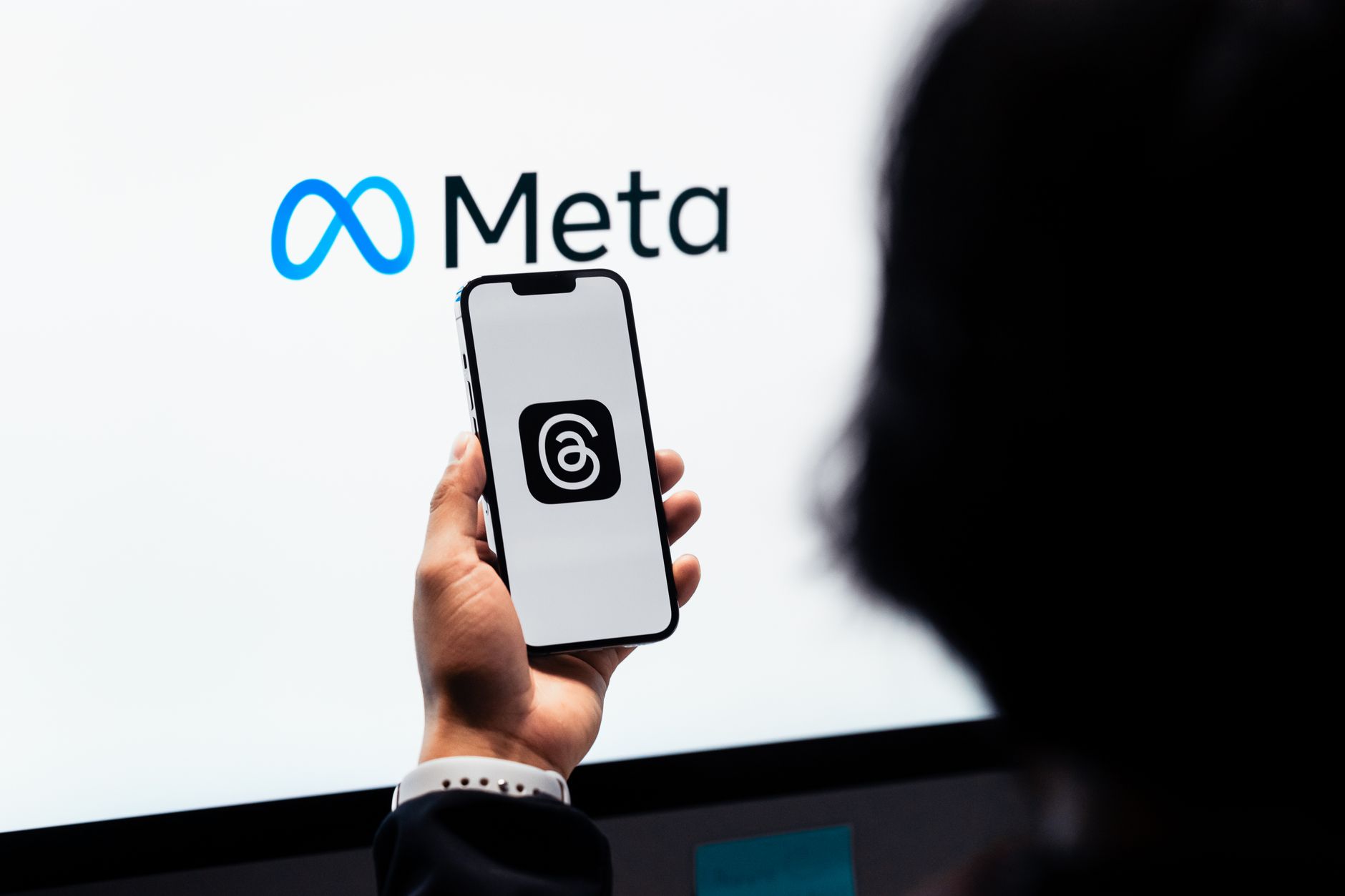
Meta will gain the right to crawl websites linked to its business customers and use what it collects to train AI once revised commercial terms take effect on 30 October 2026. If you run ads, manage a Page or Group, list products, or use Meta Business Suite, Nieman Lab reports that you agree to the new terms by continuing to use Facebook, Instagram, or WhatsApp after that date.
The new paragraph, reported by The Register and published in Meta’s preview of the terms, authorises Meta “or any entity acting on our behalf” to use scrapers, bots and crawlers, and to create test credentials, to access and index domains and pages “associated with your products or services”.
It also lets Meta pull periodic updates. Meta may use that content to “provide, develop, improve, research, train” its products, and Meta’s wider terms define “AI at Meta” as one of those products. PPC Land points out that the clause doesn’t define “associated with your products or services”, so a retailer might read it as product pages while a publisher could read it as the whole site.
There’s no way to accept some of it. Meta flagged the update in an early-October blog post and in Meta Business Suite, and business accounts currently have no option to opt out ahead of 30 October. The only route is to stop using Meta’s products for business purposes. PPC Land’s comparison with the 2024 version shows the updated terms now say you “may” do so rather than “please stop”.
Meta disputes the reading that this is about news sites. Communications VP Andy Stone said the update is designed to pull accurate product information for sale on third-party websites for on-platform ad and content recommendations, not to scrape news sites. A Meta spokesperson also told Nieman Lab that content owners can still manage access through robots.txt. The contract itself doesn’t say that. Eric Goldman, a law professor at Santa Clara University, told The Register the language “doesn’t expressly say that Meta will respect those robots.txt instructions”, and that the law doesn’t necessarily compel anyone to respect them either.
Legal and industry voices are less relaxed. Cornell Law’s James Grimmelmann said that, for news publishers, the terms clearly grant permission to train AI on any content from their sites. News/Media Alliance CEO Danielle Coffey called the policy “outrageous and probably illegal” in a statement. Goldman raised a contract-law question: if a business has prepaid for Meta services, can it really reject the terms without leaving, and would Meta refund the fees?
The terms define business use broadly, so they reach far beyond publishers. That includes anyone sending marketing messages, selling through a product catalogue, or running a Page for a shop, clinic, or restaurant. The Register notes that at least a million businesses use Meta’s AI agents in WhatsApp and Messenger alone.
We recommend that anyone running a business Page, ads, or a WhatsApp Business account in the UAE, Saudi Arabia, or Egypt identify which domains are tied to those accounts before 30 October. Check whether any of them hold gated, paid or proprietary content, and set your robots.txt preferences for Meta’s crawlers. PPC Land lists Meta-ExternalAgent, which handles both training and indexing under one token. The same rewrite also makes businesses solely responsible for AI feature output and widens the indemnity clause, so it’s worth having a lawyer read the full document, not just the crawling paragraph.
Do I have to accept the new Meta terms?
Only if you keep using Meta’s products for business or commercial purposes after 30 October. Continued use counts as acceptance, and there’s no separate opt-out for the crawling clause.
Will robots.txt stop Meta crawling my site?
Meta says content owners can use robots.txt to signal their preferences, but the contract doesn’t mention it. Legal experts told Nieman Lab the clause could give Meta room to argue that the commercial terms override such signals.
Does this apply to businesses in the UAE, Saudi Arabia and Egypt?
The terms apply to business or commercial use of Meta’s products, and none of the coverage we’ve read mentions an exemption for the Gulf or Egypt. If you rely on a Meta business account, check the notice in Meta Business Suite.