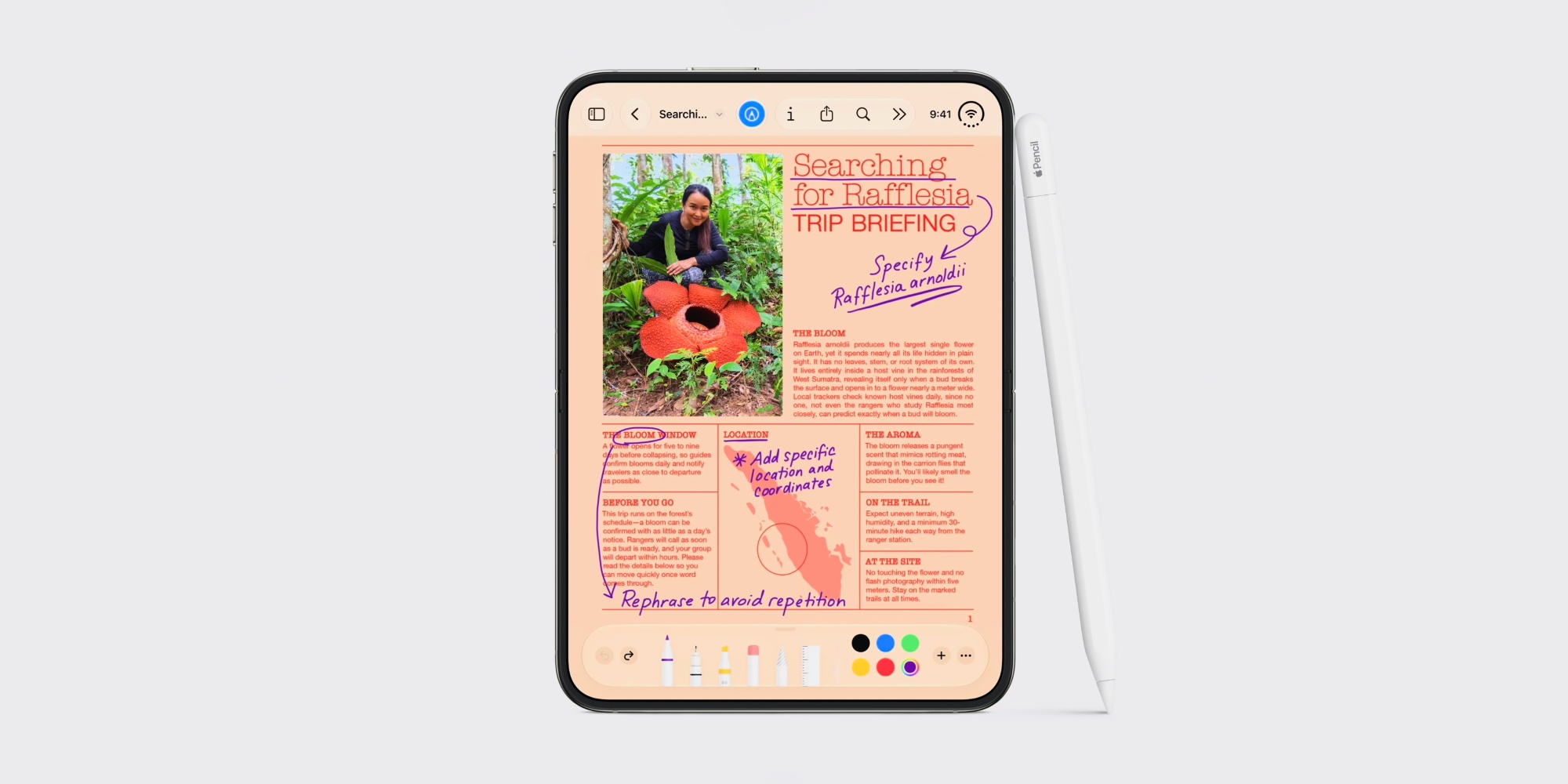
Google, Oppo and Vivo are preparing dual UTG foldable phones with dual ultra-thin glass displays, following Apple’s iPhone Duo approach to reducing creases and managing folding stress. The Elec reports that Samsung Display is developing the panels for the three brands, with mass production expected to align with their 2027 launches.
The Elec says Samsung Display is producing prototypes tailored to each customer’s requirements for structure, thickness and durability. Dowoo Insys, Samsung Display’s UTG partner, is expected to supply the upper and lower glass layers.

How dual UTG foldable phones could reduce screen creases
The design places one UTG layer above the OLED panel as the cover window and another below it as structural support. The upper layer is processed to a thickness of tens of micrometres so it can fold repeatedly while protecting the display from scratches and impacts. The lower layer supports the panel and spreads stress around the hinge as the phone opens and closes.
Samsung Display is evaluating the panel performance and manufacturing process for each device. Adjusting the physical properties of the two glass layers could reduce the crease at the centre of the screen and deformation caused by repeated folding, although the final results will depend on each phone’s hinge and panel structure.
Which foldable phones are expected to use dual UTG?
The report names Google’s Pixel Fold line, Oppo’s Find N series and Vivo’s X Fold series. Oppo is expected to launch its next model in the first quarter of 2027, Vivo in the first half of the year and Google in the second half. Those launch windows are industry expectations, not confirmed release dates from the manufacturers.
The move would give Samsung Display and Dowoo Insys two UTG sheets to supply per display instead of one. That adds material and bonding requirements, but the companies are betting that a less visible crease and stronger panel will justify the extra complexity.
For comparison, the Samsung Galaxy Z Fold8 uses one UTG layer above the OLED panel, with a titanium alloy film and reinforced titanium plate beneath it. That lower support structure spreads folding stress without adding a second UTG sheet.
Foldable phones are already available in the UAE, including Samsung’s Galaxy Z Fold range and other brands through regional retailers. The new dual-UTG models are not yet confirmed for UAE release, pricing or local availability.
Samsung Display’s foldable OLED newsroom material explains the role of UTG in foldable panels, while tbreak’s foldable phones guide covers the models currently available to UAE buyers. The existing Samsung foldable display coverage explains the alternative support structure used beneath the panel.
Some links in this article are affiliate links; tbreak may earn a commission from qualifying purchases.
What is dual UTG?
Dual UTG uses one ultra-thin glass layer above a foldable OLED panel and another below it for structural support.
Which companies are developing dual-UTG foldables?
Samsung Display is developing panels for Google, Oppo and Vivo, whose next foldable phones are expected across 2027.
Will these dual-UTG phones launch in the UAE?
UAE release dates, prices and availability have not been confirmed for the reported Google, Oppo and Vivo models.