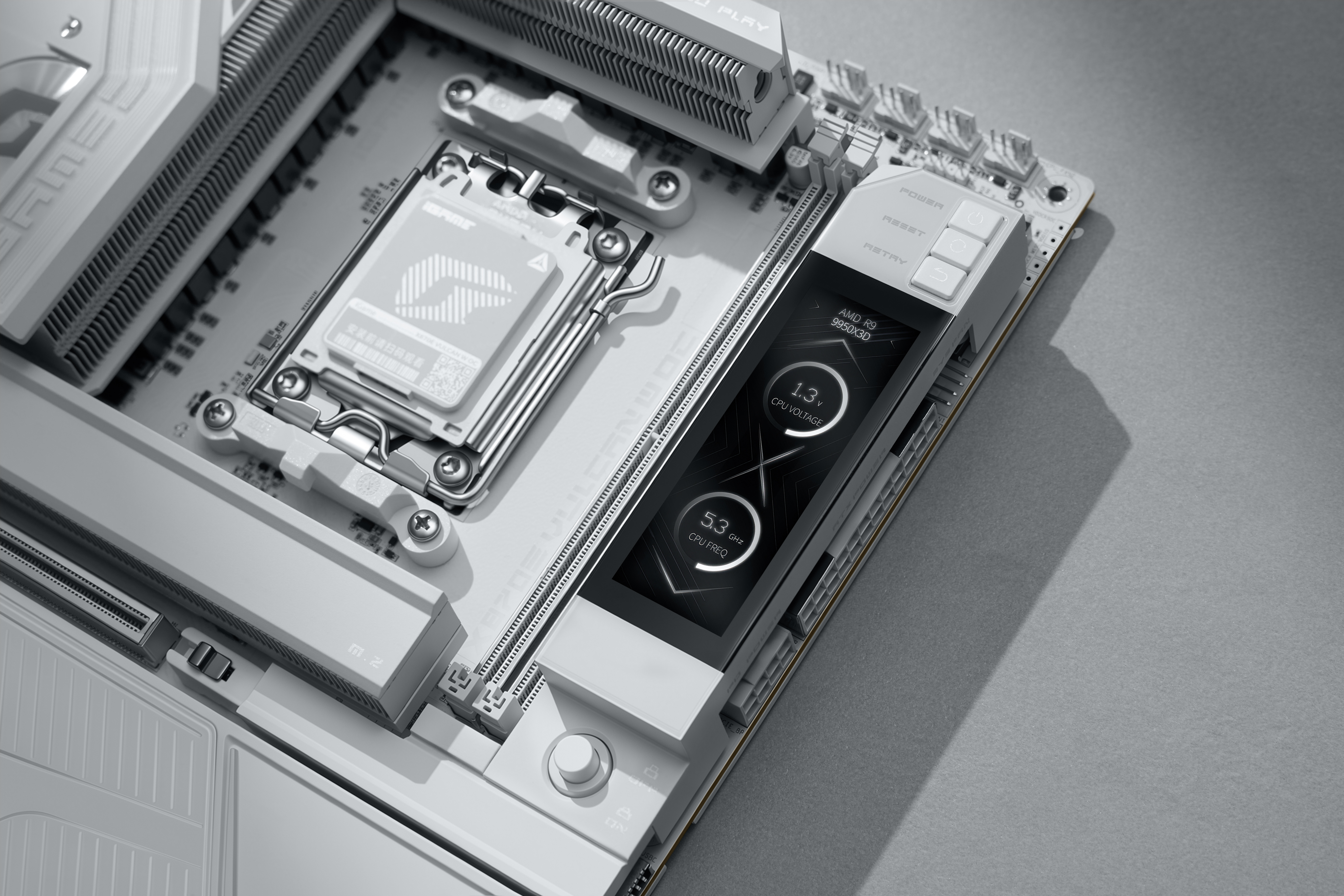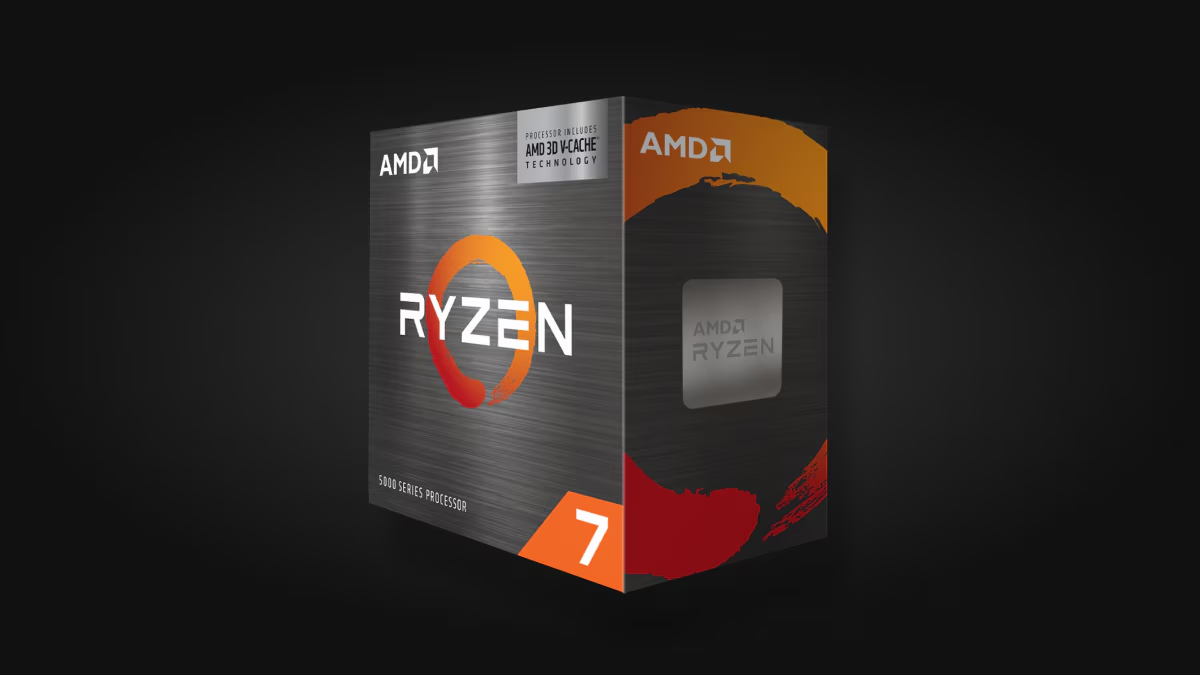
AMD’s Zen 6 could smooth out gaming frame rates without adding a single gigahertz, if fresh leaks from Yuri Bubliy — the overclocker known as 1usmus, creator of the Hydra OC tool — are anything to go by. VideoCardz reports the next Ryzen generation will carry a raft of per-core performance controls aimed squarely at frame-time stutters.
Modern processors are meant to boost the cores doing the work and let the rest idle near base clock. In practice the balance is delicate, and when a game thread lands on a core that has already wound down, the result is a stutter — the frame-time spike that average FPS figures politely hide and that shows up in the 1% lows.
CPPC Performance Priority
The headline feature is CPPC Performance Priority. CPPC — Collaborative Processor Performance Control — already lets the operating system and CPU firmware manage individual cores; Zen 6 reportedly adds the ability to set a minimum performance level for each one. A core running a game’s threads could be held at a high frequency even while it micro-sleeps between tasks, so it doesn’t have to climb back up from base clock when the next frame arrives. The control is called FloorPerf, and it works both ways: at power or thermal limits, game cores keep their clocks while background cores hand back part of the shared power budget.
A clearer view of the fastest cores
Zen 6 reportedly adds a new interface to AMD’s Preferred Cores system — CPPC HighestFreq — which tells the operating system which cores are quickest and how high each can boost. A new low-power core type (mobile-only for now, in the mould of Intel’s E-cores) would let the OS send a game’s rendering and audio threads to the fast cores and shunt background apps to the frugal ones.
Per-core EPP Boost
Game threads pause for microseconds while they wait on the GPU or the next frame, and a core can treat that pause as an invitation to drop its frequency — then take its time coming back. Per-core EPP Boost reportedly switches only the active core into performance mode, so it recovers its boost clock without running the whole chip hot.
Background apps get rationed
Zen 6 also reportedly introduces PQOS Global Bandwidth Enforcement, which caps how much memory bandwidth background threads can consume, alongside an expanded IBS memory profiler. An operating system could spot a background app chewing through memory traffic and throttle it, keeping bandwidth for the game.
The idea has a working precedent: an early Linux p-state patch was reported to improve Steam Deck 1% lows by 31.8%, and Zen 6 would bake similar behaviour into silicon and firmware. PCMag notes the payoff is modest on paper: no higher clocks, no higher average frame rates, just steadier ones.
None of this is confirmed — AMD has said nothing, and Bubliy didn’t specify whether every Ryzen 10000 chip gets the full set. Zen 6 is already here in datacentre form as EPYC Venice, but the consumer chips are the early-2027 story, and with Intel’s Nova Lake arriving late this year, steadier might be the edge AMD needs. UAE pricing will appear at the usual regional retailers closer to launch.
FAQ
What are 1% lows?
The worst 1% of frame times in a session — effectively the stutters you feel, while the average FPS number stays respectable. Improving 1% lows makes a game feel smoother without changing its average speed.
Will these features need new software?
Yes. The operating system and CPU firmware have to implement the new interfaces for them to do anything, and VideoCardz notes the controls may not appear on every desktop Ryzen processor.
Will older Ryzen chips get these features?
No. They are tied to Zen 6 silicon, so existing Ryzen 9000 and earlier chips will not benefit. The Steam Deck experiment shows similar gains are possible in software, though.
What are 1% lows?
The worst 1% of frame times in a session — effectively the stutters you feel, while the average FPS number stays respectable. Improving 1% lows makes a game feel smoother without changing its average speed.
Will these features need new software?
Yes. The operating system and CPU firmware have to implement the new interfaces for them to do anything, and VideoCardz notes the controls may not appear on every desktop Ryzen processor.
Will older Ryzen chips get these features?
No. They are tied to Zen 6 silicon, so existing Ryzen 9000 and earlier chips will not benefit. The Steam Deck experiment shows similar gains are possible in software, though.