The OpenAI Glass Imaging acquisition adds smartphone camera expertise to OpenAI’s hardware ambitions. OpenAI has acquired Glass Imaging for more than $300 million, according to The Wall Street Journal report cited by TechCrunch. The deal adds a team working on neural image processing to OpenAI’s growing hardware ambitions.
OpenAI Glass Imaging acquisition: what Glass brings
Glass Imaging was founded in 2019 by Ziv Attar and Tom Bishop, former Apple engineers who worked on the technology behind iPhone Portrait Mode. The company develops AI systems that process camera data at capture, rather than relying only on edits after a photo has been taken.
Glass says its neural image signal processing technology can correct lens and sensor imperfections, while its neural zoom and low-light systems use machine learning to recover detail and reduce noise. The company’s own demonstrations focus on making small camera hardware produce results closer to larger dedicated cameras.

The approach is relevant to phones because camera modules have limited room for larger sensors and lenses. Glass previously showed a prototype using a sensor with roughly 192 square millimetres of area, compared with about 35 square millimetres for an iPhone 13 main camera, according to TechCrunch’s earlier report.
OpenAI’s hardware plans are expanding
OpenAI has not publicly confirmed the acquisition. TechCrunch reported that the deal is worth more than $300 million and that OpenAI did not immediately respond to a request for comment.
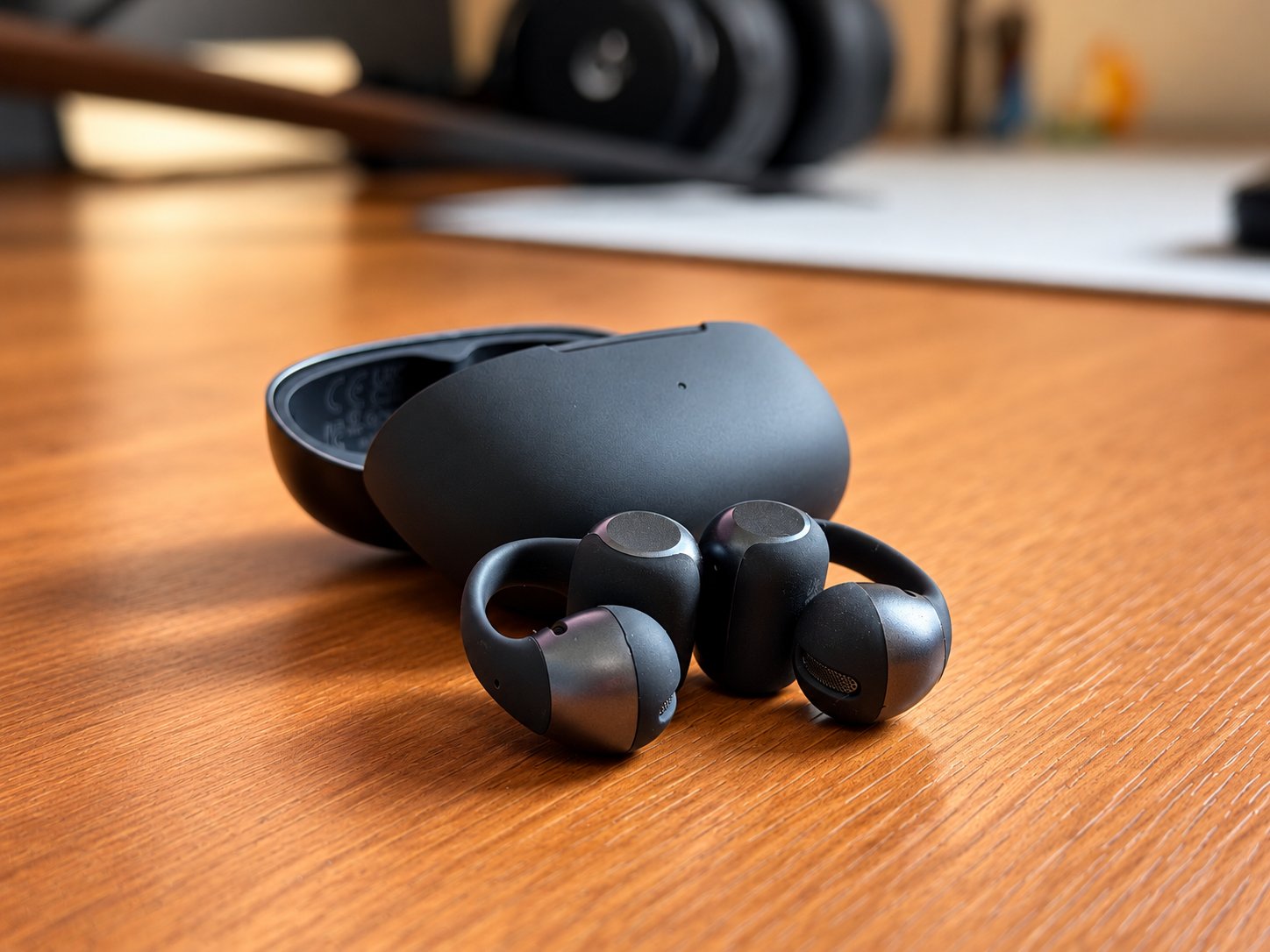
The OpenAI Glass Imaging acquisition would add camera expertise to OpenAI’s existing hardware work. OpenAI and former Apple design chief Jony Ive have been developing devices through io, which OpenAI acquired in a deal valued at $6.5 billion in 2025. TechCrunch has also reported on possible OpenAI smartphones, earbuds and other AI devices, though those products have not all been confirmed.
Glass Imaging had previously raised about $30 million, including a $20 million Series A announced in 2025. Its technology has also been demonstrated on current smartphone hardware, including HONOR’s 600 series.
For phone owners, the immediate result is unlikely to be an OpenAI camera app. The more direct possibility is Glass technology appearing inside a future device, where image processing is built into the camera pipeline rather than added as a separate editing step. OpenAI has not announced a product, release date or manufacturer partnership tied to the acquisition.
Sources: TechCrunch’s report on the acquisition and Glass Imaging’s technology overview.
OpenAI’s earlier hardware plans provide context for the company’s broader device ambitions.
How much is OpenAI paying for Glass Imaging?
The deal is reportedly worth more than $300 million, although OpenAI has not confirmed the transaction or disclosed financial terms.
What does Glass Imaging make?
Glass Imaging develops neural image-processing systems that improve smartphone camera output by correcting lens and sensor issues, reducing noise and recovering detail.
Will OpenAI launch a smartphone camera?
OpenAI has not announced a camera product, phone or release date connected to the acquisition.