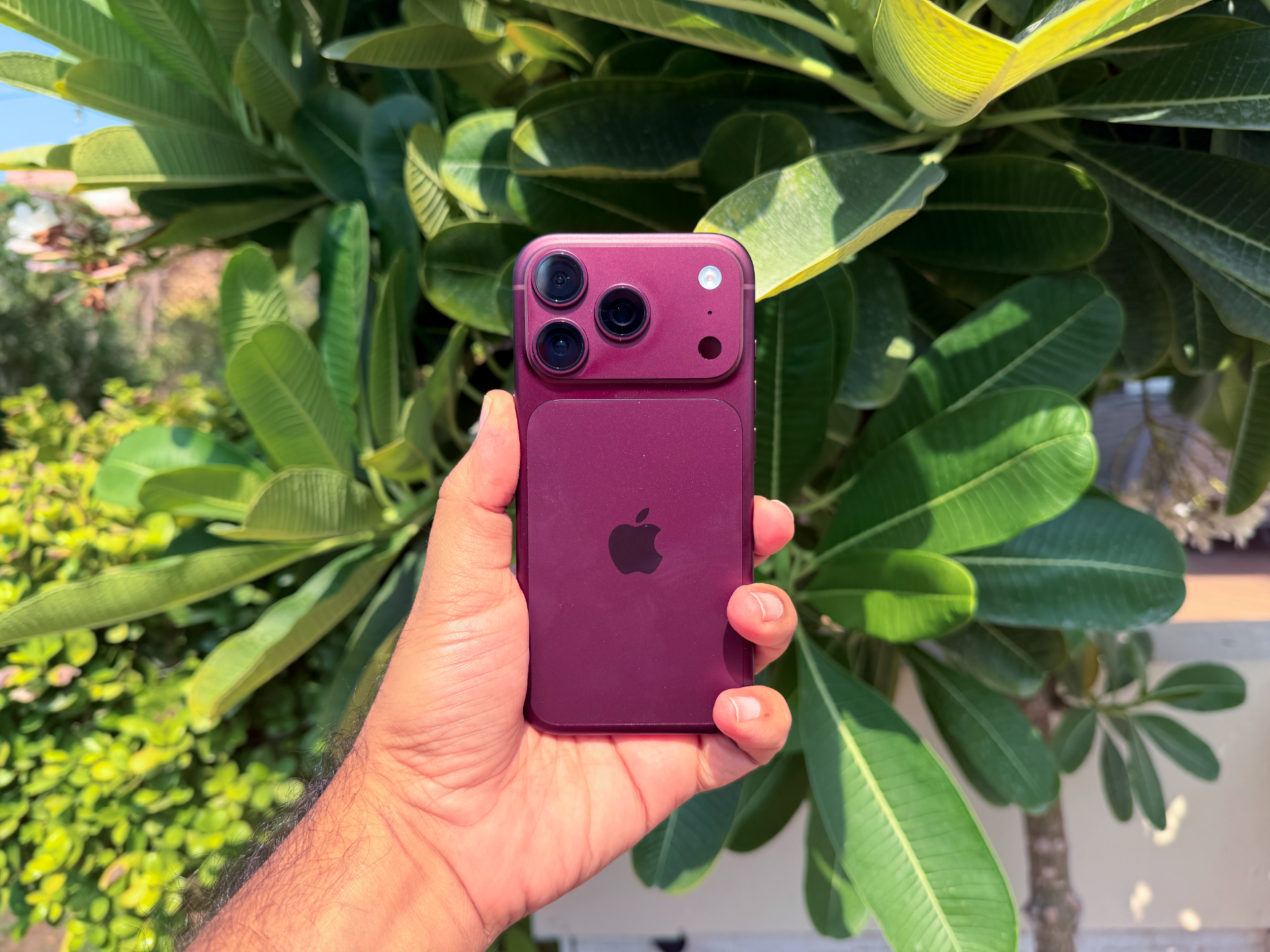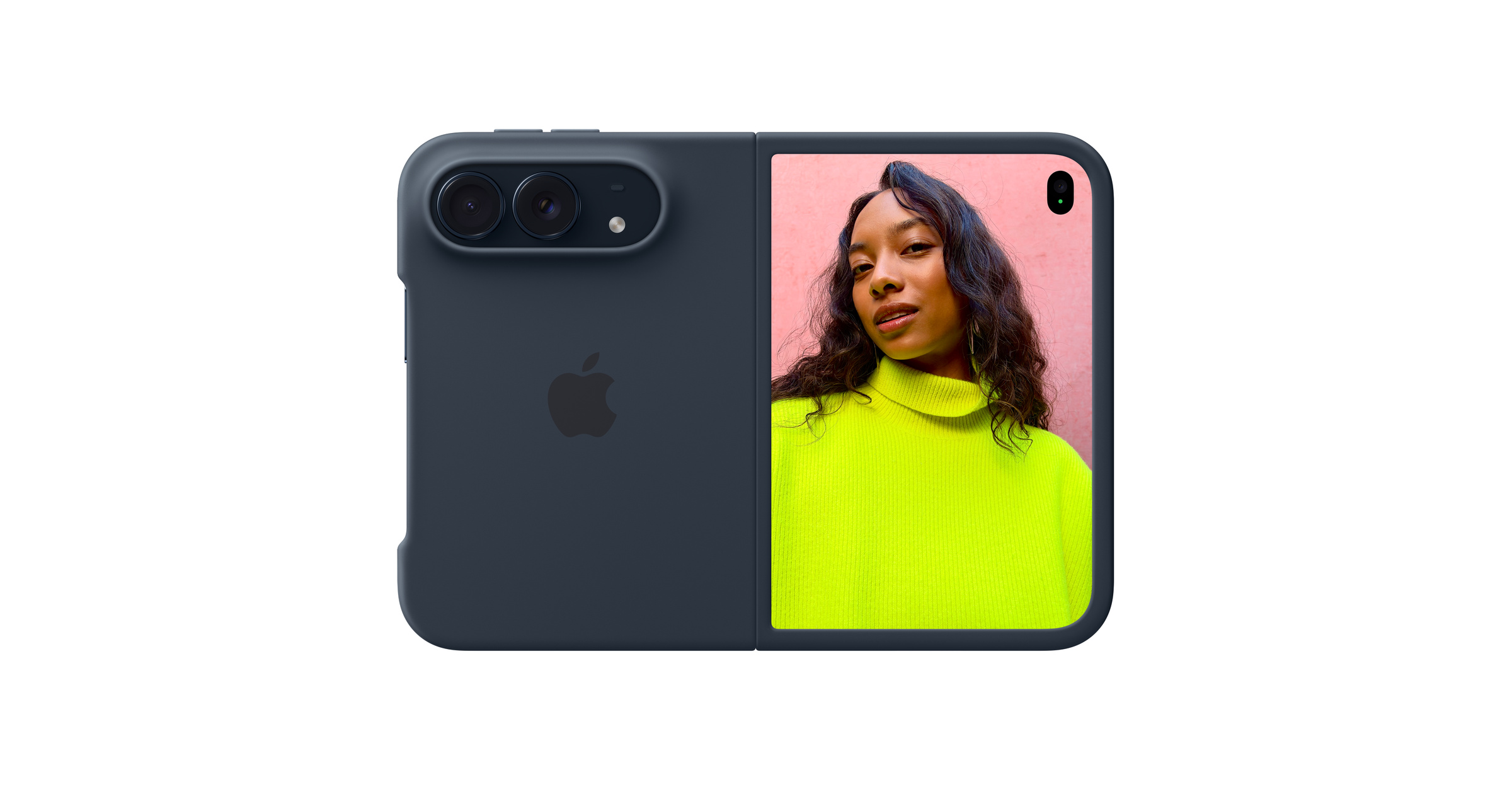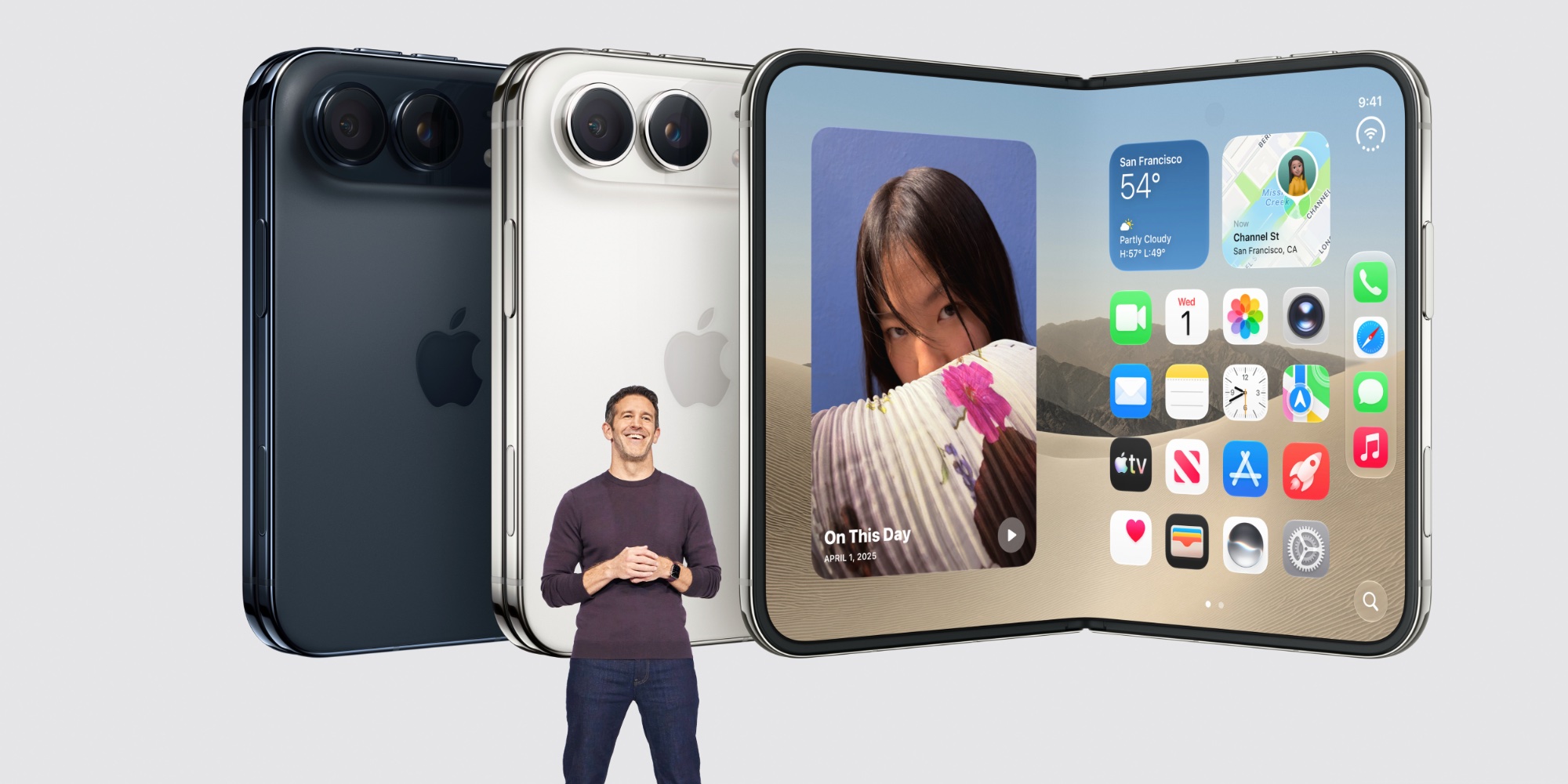
Variable aperture on an iPhone 18 Pro would let the camera physically widen or narrow the lens opening, giving it another way to balance group focus, low-light detail and video under LED lighting — while image processing would still shape the final frame. That is what the feature changes for photos and video if Apple ships it; Apple is expected to announce the iPhone 18 Pro at its launch event on 9 September.
The camera change landed as reported: see everything Apple announced about the iPhone 18 Pro, and the AED 5,099 UAE price.
Everything else we know about the September line-up, including the AED pricing we expect, sits in our iPhone 18 price and UAE release date guide, and we are covering the keynote live from 9:00 PM UAE time in our iPhone 18 event live blog.
What variable aperture changes in smartphone cameras
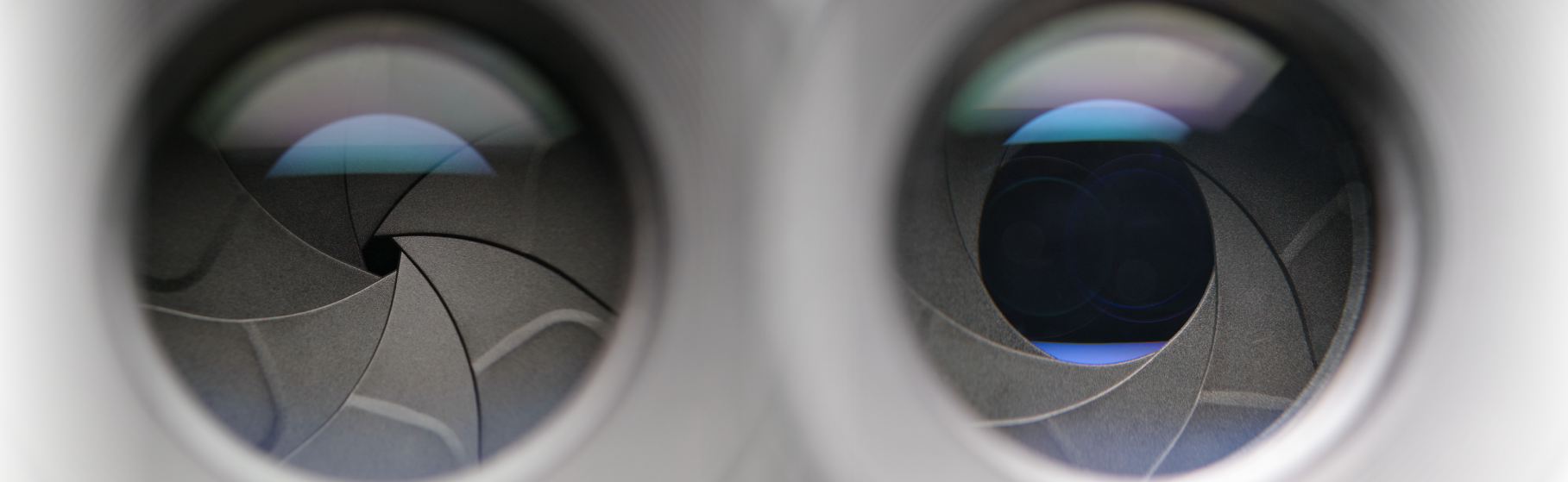
A fixed-aperture phone uses the same lens opening for every shot. Variable aperture lets the camera physically widen or narrow that opening, giving it another way to balance light, depth of field and exposure before software processing begins. DXOMARK’s latest analysis of variable aperture smartphone cameras looks at four practical effects.

Stopping down the aperture increases depth of field, keeping more of a group sharp when people are standing at different distances. It can also make small autofocus errors less obvious. That is useful for group portraits, where one face falling just outside the focus plane is enough to spoil the photo.
The same control works in the other direction. A wider aperture lets more light reach the sensor, which can help preserve detail and limit noise in darker scenes. DXOMARK’s testing lists a 50MP one-inch primary sensor with an f/1.6–f/4 aperture, and reports strong low-light detail from the combination.
Variable aperture smartphone cameras can help with video flicker
LED lighting can flicker or create bands in video because its output changes over time. A narrower aperture reduces the light reaching the sensor, which may let the phone use a longer exposure and average out some of those changes. It is not a universal cure, but it gives the camera another setting to work with.
An earlier explainer on variable aperture traces the modern smartphone push towards the feature to Samsung’s Galaxy S9 series in 2018, which used a dual-aperture system switching between f/1.5 and f/2.4. Xiaomi and HONOR later returned to the idea with more advanced systems as phone sensors grew larger.
The feature does not guarantee better photos on its own. Exposure, autofocus, HDR, noise reduction and image fusion still need to respond to the selected aperture. DXOMARK’s comparison of the Huawei P60 Pro and Xiaomi 13 Ultra makes the same point: both have variable aperture, but their results depend on how the camera system uses it.
iPhone 18 Pro: what to expect (if Apple ships it)
If Apple adds variable aperture to the iPhone 18 Pro, the practical gains would match what other flagships already show: more of a group staying sharp when people stand at different distances, a wider opening for darker scenes, and a narrower setting that can help with LED flicker in video. None of that is confirmed for Apple’s launch until Apple says so — this section is speculative based on how the feature works elsewhere, not a shipping confirmation.
Even with the hardware, results would still depend on Apple’s image processing. Exposure, autofocus, HDR, noise reduction and fusion would need to respond to the selected aperture, just as they do on existing variable-aperture phones.
For more camera coverage, see our guides to the Xiaomi 17T Series Leica cameras and OPPO Reno16 Pro’s camera system.
Why variable aperture remains a flagship feature
The mechanism adds components, space and manufacturing complexity to a camera module. That helps explain why it remains concentrated in high-end phones rather than becoming a standard feature across the market.
The report does not suggest that variable aperture replaces computational photography. It gives the phone another optical control, while the final result still rests on the interaction between the lens, sensor and software.
Which phones have used variable aperture cameras?
Samsung introduced a dual-aperture system with the Galaxy S9 series in 2018. More recent examples include the Huawei Pura 80 Ultra, Huawei P60 Pro and Xiaomi 13 Ultra.
Does variable aperture replace computational photography?
No. Variable aperture changes the light entering the sensor, while HDR, autofocus, noise reduction, image fusion and other software processes still shape the final photo or video.
Why is variable aperture mostly found on flagship phones?
The mechanism requires extra components and space inside the camera module, and adds manufacturing and reliability considerations compared with a fixed-aperture design.
Will the iPhone 18 Pro definitely get variable aperture?
Not confirmed in this piece. Apple is expected to announce the iPhone 18 Pro at its 9 September launch event; any variable-aperture claims here remain speculative until Apple confirms the cameras.