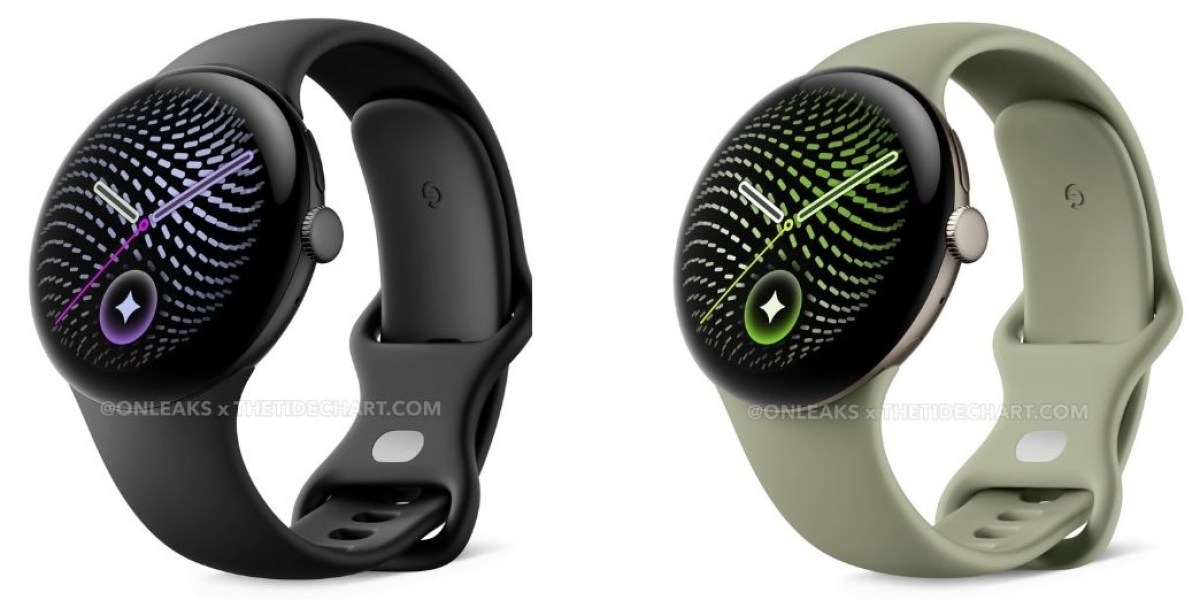
Google researchers have built an AI that spots signs of high blood pressure from a regular smartwatch’s pulse and motion sensors, with no cuff calibration. The team, led by Paolo Di Achille and Ming-Zher Poh, described the system on the Google Research blog and in a paper in Nature.
Most cuffless blood pressure wearables still need regular cuff checks, so they only track how your readings change. Google’s system skips that step. It doesn’t give you a systolic or diastolic number. Instead, it watches several days of data and estimates whether you’re persistently hypertensive. It targets a big blind spot: Google says hypertension affects over one billion people, and more than half of them don’t know it.
passively detect signs of high blood pressure using a consumer smartwatch, without requiring any cuff calibration
Paolo Di Achille and Ming-Zher Poh, Google Research
The model, called AI-PPG-ACC-HTN, reads two sensors. The PPG sensor tracks your pulse optically, while the accelerometer picks up motion and the tiny wrist vibrations each heartbeat causes. Google trained it without medical labels, on 492,347 hours of sensor data from 2,109 people. It then combines the result with your height and turns it into a probability score.
To test it, Google ran a study at five US sites with 196 participants, measured against 24-hour ambulatory monitoring, the gold standard. As a first screen, the watch caught 65.8% of hypertension cases, beating the 55.3% from a single office reading. It also correctly cleared 90.0% of people who didn’t have it. When it flagged someone, it was correct 80.6% of the time, against 77.8% for the office check.
Google also tested it as a follow-up for 48 participants whose first office reading was high. The watch beat repeat office visits there, but a few days of home monitoring still caught more cases.
| Follow-up method | Sensitivity | Specificity | Positive predictive value |
|---|---|---|---|
| Smartwatch AI | 78.4% | 90.9% | 96.7% |
| Repeat office reading | 67.6% | 63.6% | 86.2% |
| Multi-day home monitoring | 89.2% | 81.8% | 94.3% |
Those numbers come with limits. As a first screen, the watch missed about a third of cases. Everyone in the study was in the US, had no known heart disease, and wasn’t on blood pressure medication. It’s unclear which watches can run it, or whether it has regulatory clearance.
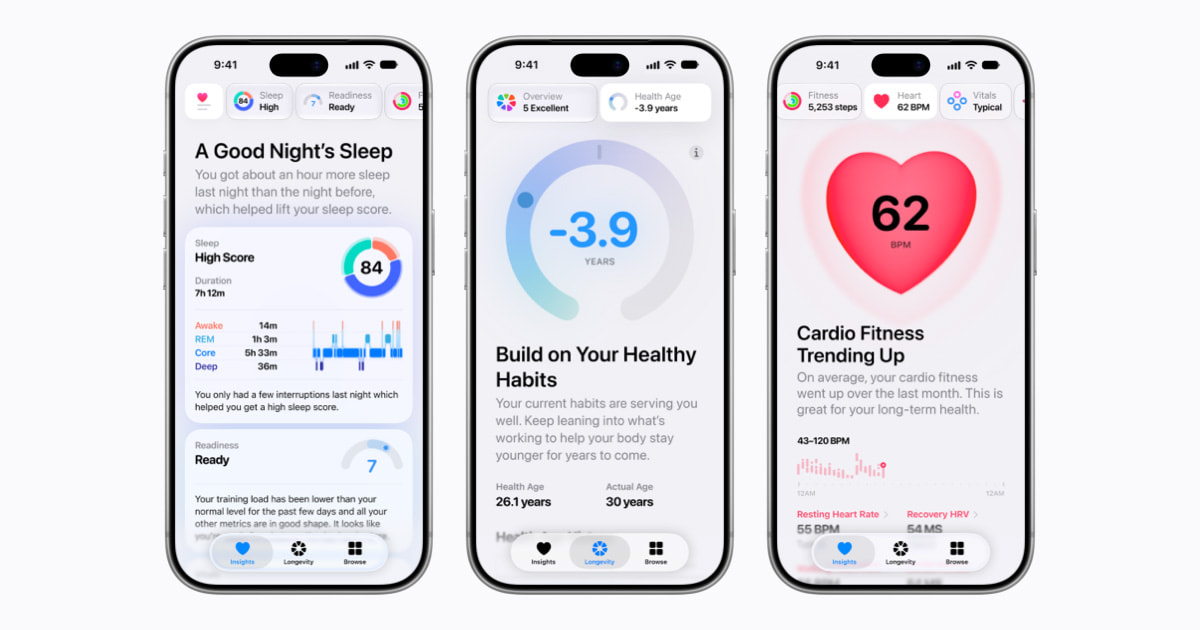
The findings have already helped inform a product: Google says they “helped inform the blood pressure trends Health Guardian feature in the Google Health app”. The Decoder stresses it’s a research project, not a replacement for a diagnosis; the goal is to nudge people to get checked. Apple’s Apple Watch hypertension notifications already work in the UAE and Saudi Arabia.
For more than half of people with hypertension who don’t know it, a watch that prompts a check-up is the point. The first-screen figure still means about a third of cases get missed.