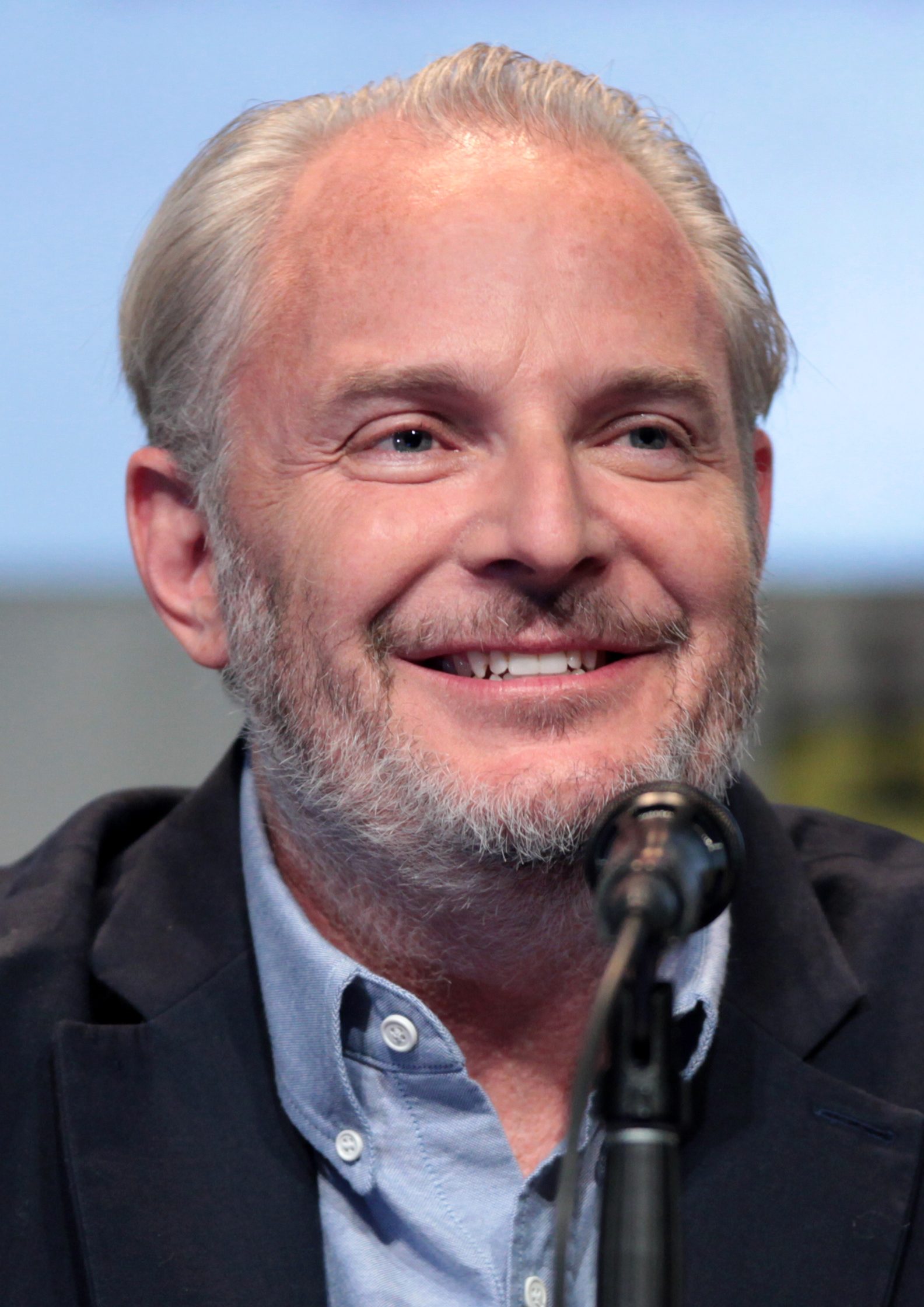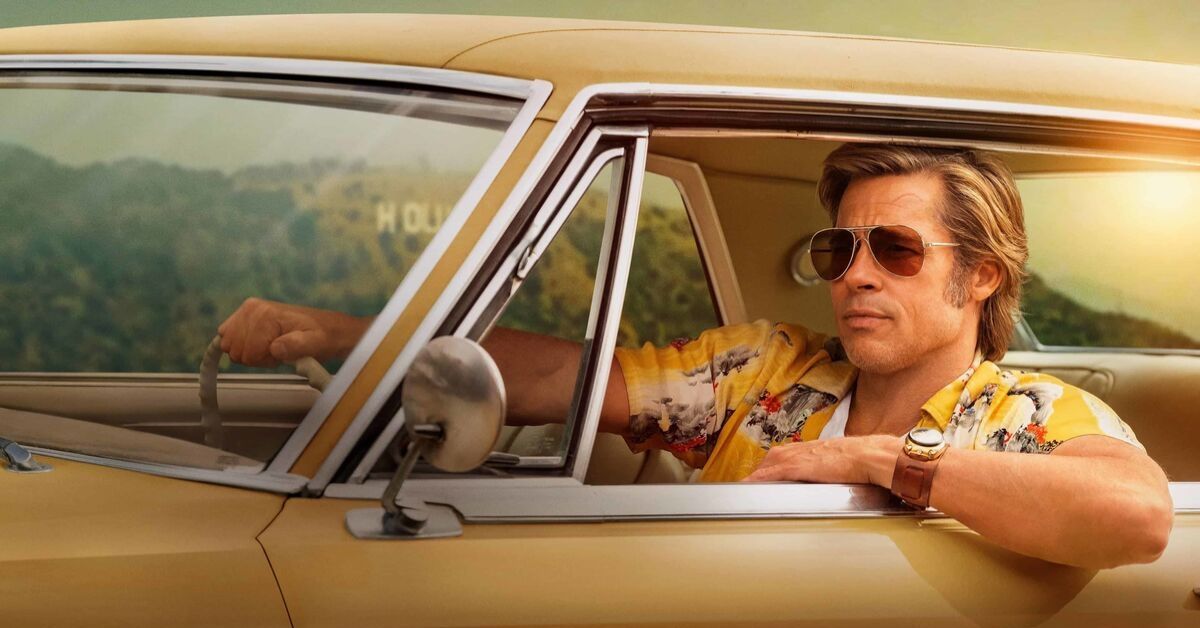
David Fincher used AI to match one take’s line reading to another take’s performance in The Further Mis-Adventures of Cliff Booth.
When the best line reading and the best performance came from different takes, Fincher used AI to match them. “We could use AI to re-lip that thing,” he told Sean Fennessey on The Ringer’s Big Picture podcast. Fincher said only about 5% of the film used conventional dialogue replacement, and the rest was “all AI”. The actors spent four or five days re-recording lines.
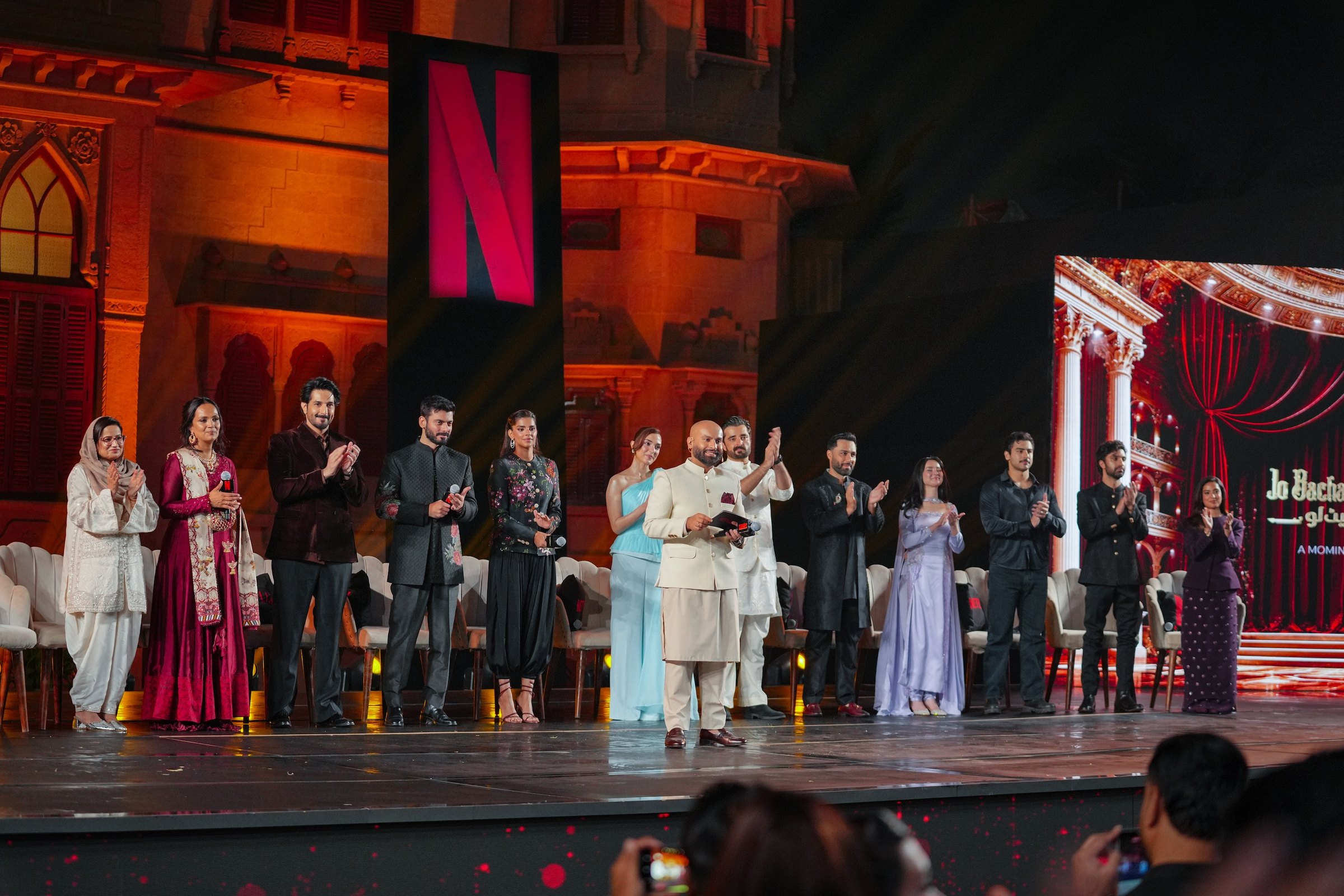
Netflix bought Ben Affleck’s AI tool startup InterPositive for $587 million in March. In August, the company said more than 300 programmes in its catalogue had used generative AI to some degree that year.
The standalone sequel and spin-off to Once Upon a Time in Hollywood reunites Fincher with Brad Pitt, who returns as stunt double Cliff Booth. Quentin Tarantino wrote the script. The film opened in IMAX on 25 November and will arrive on Netflix on 23 December.
Fincher imagines shooting fewer angles
Fincher described a future in which a crew shoots the master shot 20 or 25 times. The crew then uses AI to produce the coverage: the additional angles and shots an editor cuts between. In that workflow, he suggested, actors might only have to perform a scene about 15 times.
“I won’t miss focus in AI.” Fincher also imagined using the technology to get a dolly shot right or fix hair falling across an actor’s face. Asked if working that way appealed to him, he replied, “Totally.” He still sees actors as the basis for the scene: “It’ll still be based on real human beings.”
Where critics draw the line
In the reactions IGN covered, one commenter called the proposed workflow “wildly dystopian”, while another argued that any film using AI should be ineligible for awards.
You don’t get to create the perfect performance by Frankenstein-ing a ‘perfect version’ of the performance and call it directing.
Mike Kalinowski, actor
Writer Brendan Hodges argued that Fincher’s filmmaking had always been more about control than perfection. Defenders compared the approach to cutting between takes, while critics drew a distinction between editing performances actors actually gave and generating one they didn’t.
Separately, early-screening attendees pointed to a flashback in which a horse carriage appeared to have two wagons as possible evidence of generative AI. Neither Fincher nor Netflix has addressed that claim. Fennessey recorded the interview before the screening claims emerged and didn’t ask about other possible instances of generative AI use in the film.
How other filmmakers have responded to AI
Fincher had already made his position plain in an interview published the previous week: “It exists. Should we not use it?” Other filmmakers have pushed back. Tony Gilroy warned about AI slop in November, Guillermo del Toro spoke out in September, and Christopher Nolan praised younger audiences for judging AI slop harshly in July.
In Fincher’s example, if an actor gave the best reading and the best performance in separate takes, the finished film makes them look like one.