Sony’s lawyers argue that PlayStation digital games ownership is too obvious to misunderstand: if players owned the games they buy, the same copy could not be sold to anyone else. The argument appears in Sony’s response to a California class-action lawsuit over how the PlayStation Store describes digital purchases. GamesRadar reported the claim after it appeared in a court filing dated August 21.

Sony’s PlayStation digital games ownership argument
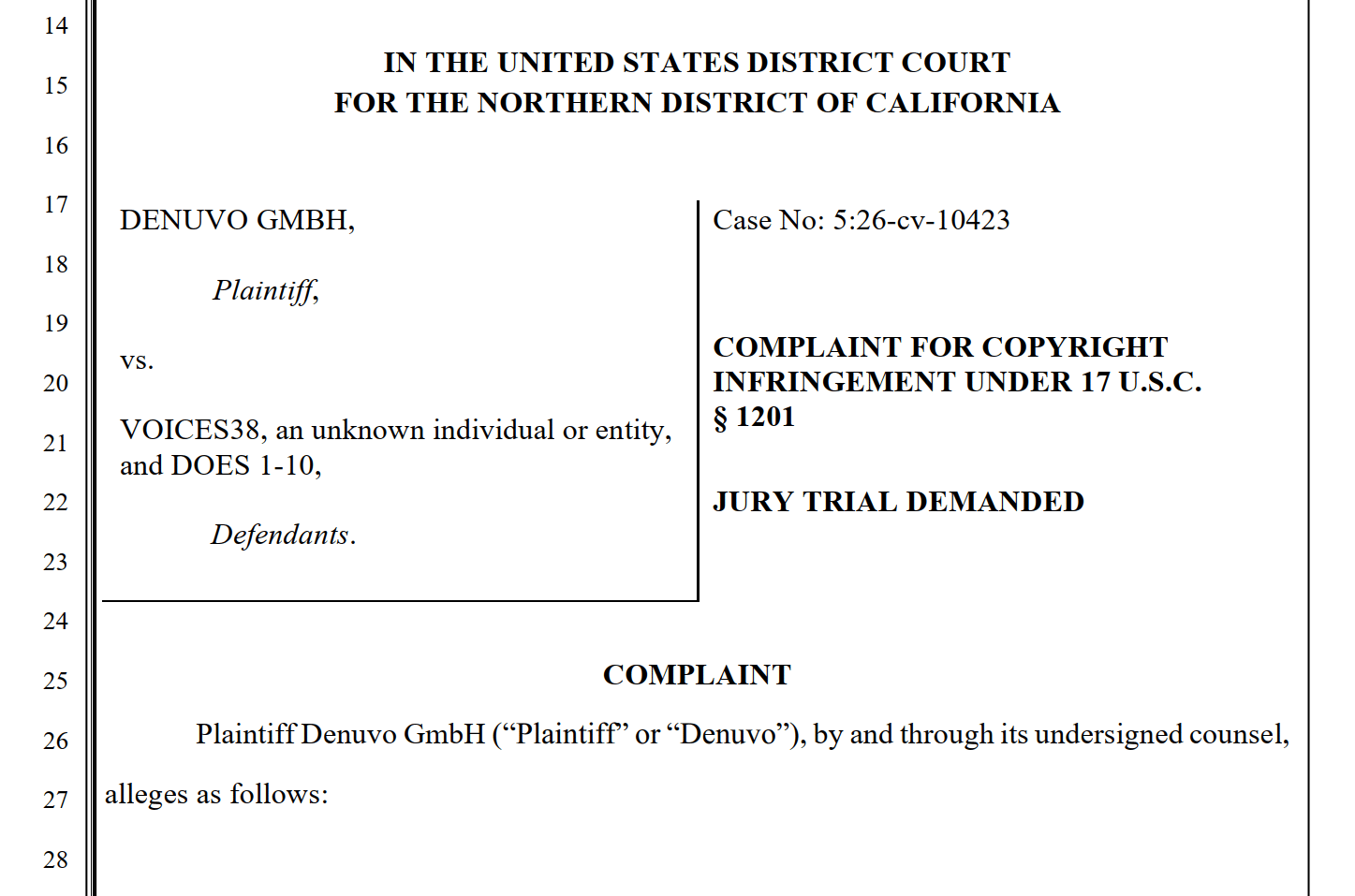
The lawsuit was filed in June by PlayStation customers who say Sony’s digital storefront did not make the licensing arrangement clear enough under California’s AB 2426, a law that took effect in 2025. The law requires a clear warning that buying a digital good grants a licence rather than ownership.
Sony points to the PlayStation Software EULA, which states: “The Software is licensed to you, not sold.” It also says the software is provided under a limited, non-exclusive, non-transferable and personal licence. The EULA is available on PlayStation’s website.
The company’s lawyers go further in the filing. As Insider Gaming reported, they argue that a reasonable customer could not believe they owned a digital game because another customer can purchase the same title later.
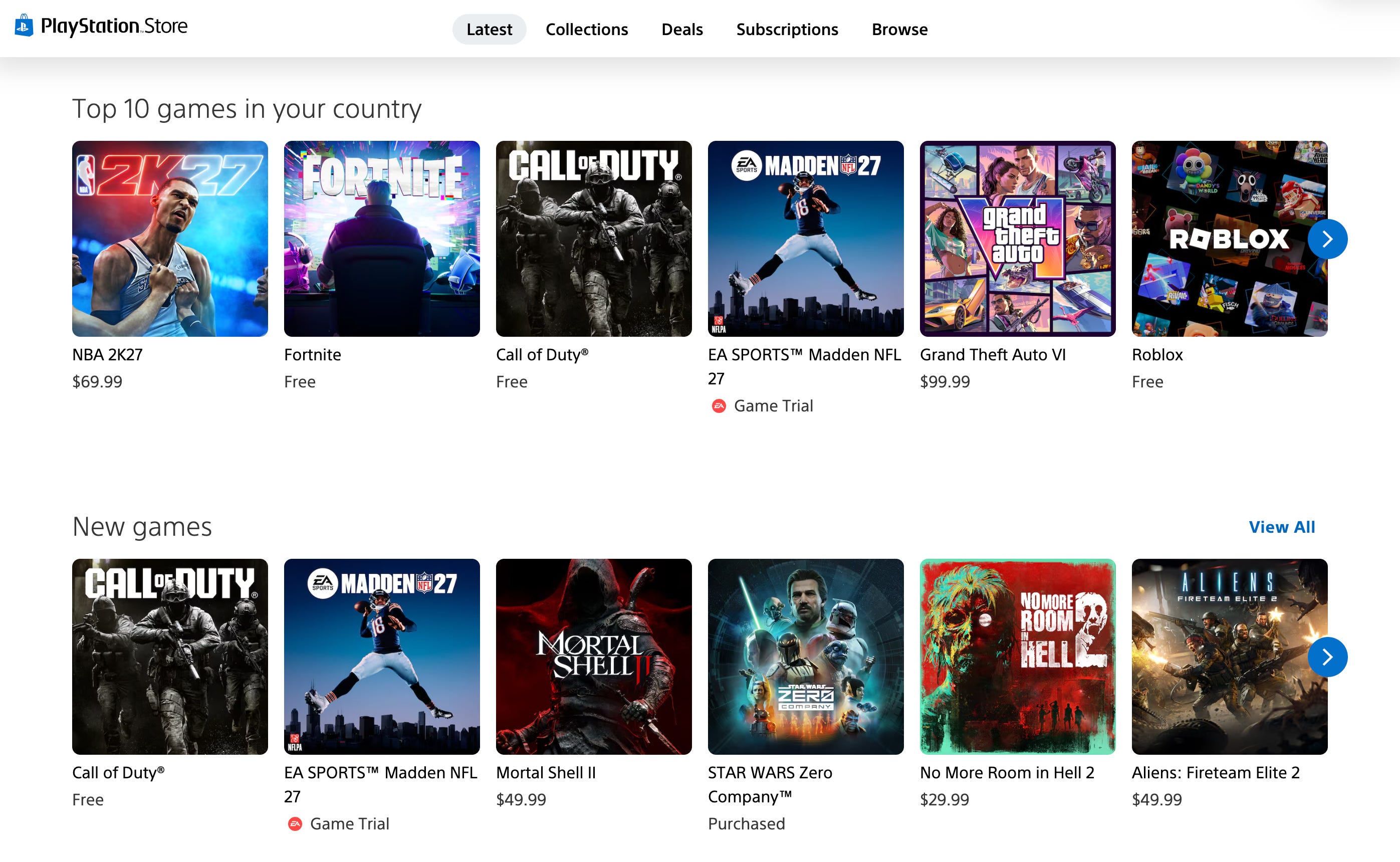
Sony used Resident Evil Requiem as its example. One plaintiff bought the game on February 14, 2026, while another bought it from the PlayStation Store on February 25 for $69.99. The argument treats ownership as something that can belong to only one person at a time, which is a neat way to make a digital storefront sound like a furniture auction.
What the lawsuit says about digital game licences
The dispute is less about whether Sony can technically issue multiple copies and more about what “buy” means to a customer. Game File’s report says the plaintiffs argue that the relevant licence language is buried in lengthy legal documents, rather than presented plainly at checkout.
Sony’s filing does not change the terms of existing purchases or mean that PlayStation games are being removed from users’ libraries. It is the company’s position in an ongoing legal dispute, and the court still has to decide whether the disclosure meets California’s standard.
The same licence wording applies to PlayStation software more broadly, including games bought through the PlayStation Store. Physical discs are a separate product, although Sony’s planned retreat from disc production has made the distinction less academic for players who prefer to keep a box on a shelf.
What is Sony arguing about digital PlayStation games?
Sony argues that customers could not reasonably believe they own digital games because the same title can be purchased by multiple people. The company says its terms make clear that games are licensed, not sold.
What is California’s AB 2426 law?
AB 2426 requires digital storefronts to make clear when a purchase grants a licence rather than ownership. The law took effect in California in 2025.
Does Sony’s lawsuit change existing PlayStation purchases?
No. Sony’s filing is a legal argument in an ongoing class-action case. It does not announce the removal of games from customers’ libraries or change the current PlayStation EULA.