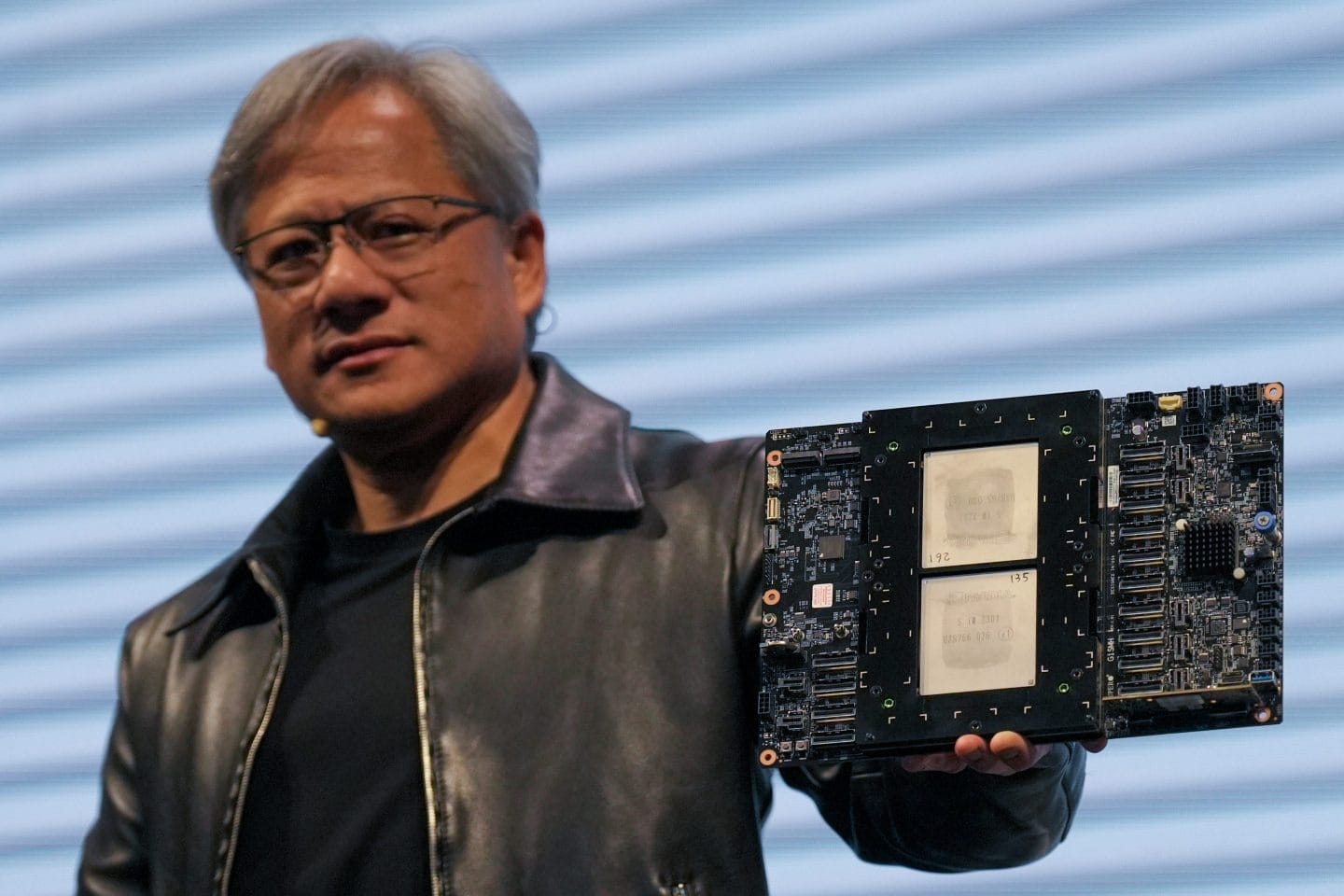
Nvidia CEO Jensen Huang has urged server maker Super Micro to strengthen its export-compliance procedures after Taiwanese authorities detained three people for allegedly attempting to export servers containing Nvidia chips to China in May 2026. As reported by Bloomberg, the incident underscores escalating enforcement of export controls on advanced AI technology.
Key Takeaways
- Taiwanese authorities detained three people for allegedly attempting to export Nvidia AI servers to China illegally in May 2026.
- Nvidia CEO Jensen Huang urged Super Micro to strengthen its export-compliance procedures following the detentions.
- The incident highlights growing enforcement of US-led restrictions on advanced AI chip exports to China.
- Super Micro integrates Nvidia chips into servers, making compliance critical for the supply chain.
What happened in Taiwan?
According to Taiwan’s enforcement authorities, three individuals were detained for allegedly attempting to illegally export servers equipped with Nvidia AI chips to China. The detentions represent a significant enforcement action against suspected violations of international export controls that restrict the transfer of advanced computing technology to China.
The servers in question contained Nvidia’s advanced AI processing chips, which are subject to strict export limitations due to their potential military applications. These restrictions, primarily led by the United States, aim to prevent cutting-edge AI technology from reaching China’s defence and surveillance sectors.
The timing of these detentions reflects increased scrutiny from Taiwanese authorities, who are under pressure to enforce international export control regimes more strictly. Taiwan plays a crucial role in the global semiconductor supply chain, making such compliance efforts particularly significant.
Jensen Huang’s response to Super Micro
Following the Taiwan detentions, Nvidia CEO Jensen Huang publicly called upon Super Micro to tighten its export-compliance procedures. Super Micro, a major server manufacturer, integrates Nvidia’s AI chips into its computing systems before selling them to customers worldwide.
The CEO’s statement suggests that Nvidia views stronger compliance measures as essential for protecting both companies from potential violations. Super Micro’s role as a key integration partner means its compliance procedures directly impact Nvidia’s ability to maintain regulatory compliance across global markets.
This isn’t the first time tech companies have faced pressure to strengthen their export compliance. The Nvidia earnings surge has made the company’s chips increasingly valuable and scrutinised by regulatory authorities globally.
Why AI chip exports face restrictions
Nvidia’s advanced AI chips are subject to export controls because of their exceptional processing power, which can be used for military applications including weapons development and surveillance systems. The United States leads these restrictions, arguing that preventing China’s access to such technology is a matter of national security.
The chips in question can perform complex AI computations at unprecedented speeds, making them valuable for both commercial AI development and potential military uses. This dual-use capability has made them a focal point of the broader US-China technology competition.
These restrictions have created a complex compliance landscape for companies throughout the supply chain. While competition from rivals like Google and Microsoft is intensifying, Nvidia remains the dominant provider of AI processing hardware.
What this means for the global tech supply chain
The Taiwan detentions signal that authorities are taking export control violations more seriously, potentially affecting how tech companies structure their global operations. For UAE businesses and tech enthusiasts, this enforcement trend could impact the availability and pricing of high-end AI hardware.
Companies throughout the supply chain now face increased compliance costs and potential delays as they implement stronger verification procedures. This could slow the rollout of new AI technologies and increase costs for businesses seeking to deploy advanced computing systems.
The incident also highlights the interconnected nature of the global semiconductor industry, where manufacturers like TSMC play crucial roles in producing the chips that power modern AI systems. Any disruption to this supply chain can have far-reaching consequences.
Frequently Asked Questions
Why are Nvidia chips subject to export controls?
Certain advanced Nvidia AI chips are subject to export controls, primarily from the US, to prevent their use in military applications by countries like China, due to their high processing power.
What is Super Micro's role in this incident?
Super Micro is a server manufacturer that integrates Nvidia chips into its products. The detentions involved attempts to export servers containing these chips, leading Nvidia’s CEO to urge Super Micro to strengthen its compliance procedures.
How do these restrictions affect UAE businesses?
While UAE businesses aren’t directly targeted by these restrictions, increased enforcement could lead to higher compliance costs and potential delays in accessing the latest AI hardware for legitimate business applications.
What chips were involved in the Taiwan detentions?
The specific Nvidia chip models haven’t been disclosed, but the incident involved servers containing advanced AI processing chips that fall under international export control restrictions to China.