Samsung Display accounted for 65% of the growth in global flexible OLED smartphone panel shipments in the first half of 2026, shipping about 120 million units.
The company shipped roughly 120 million flexible OLED panels for smartphones between January and June, up 34.5% from 89.2 million a year earlier — an increase of about 30.8 million units. Global flexible OLED shipments for smartphones rose 15.6% year on year to 350 million units, meaning Samsung Display supplied most of the industry’s 47.2 million-unit gain, per market research firm Sigmaintell via The Elec.

Strong iPhone sales drove flexible OLED growth
Apple demand and advance inventory building are behind the gains, according to Sigmaintell. Samsung Display is a major Apple supplier, and the flexible panels in question sit in this year’s flagships and foldables — including the iPhone 18 Pro and foldable iPhone expected in September, which MacRumors expects to keep demand strong through the second half.
The smartphone display market in numbers
| Technology | H1 2026 shipments | Change YoY |
|---|---|---|
| Flexible OLED, global | 350 million | +15.6% |
| Samsung Display flexible OLED | ~120 million | +34.5% |
| Rigid OLED | 68.6 million | -33.3% |
| a-Si LCD | ~680 million | +6.5% |
| LTPS LCD | 25.5 million | -47% |
Samsung Display held a 34.3% share of the flexible OLED market for smartphones. China’s BOE shipped 81.4 million units, a 23.3% share. In the wider smartphone panel market, including LCDs, BOE ranks first overall with 280 million units and a 25.2% share, up 7.1% year on year; Samsung Display’s total smartphone panel shipments rose 0.9% to 170 million units.
Rigid OLED is shrinking
Rigid OLED shipments totalled 68.6 million units, down a third — makers moved mid-range models onto flexible panels, and repair and replacement demand shifted the same way. Flexible OLED recorded the fastest growth of any display technology. Amorphous-silicon LCD shipments rose 6.5% to about 680 million units, while LTPS LCD fell 47% to 25.5 million.
What happens next
Sigmaintell expects the flexible OLED market to stay resilient into the second half, supported by Apple’s new launches and repair and replacement demand. Over the longer term it sees large-screen foldables, widescreen bar-type smartphones and falling costs pushing flexible OLED into lower-priced models.
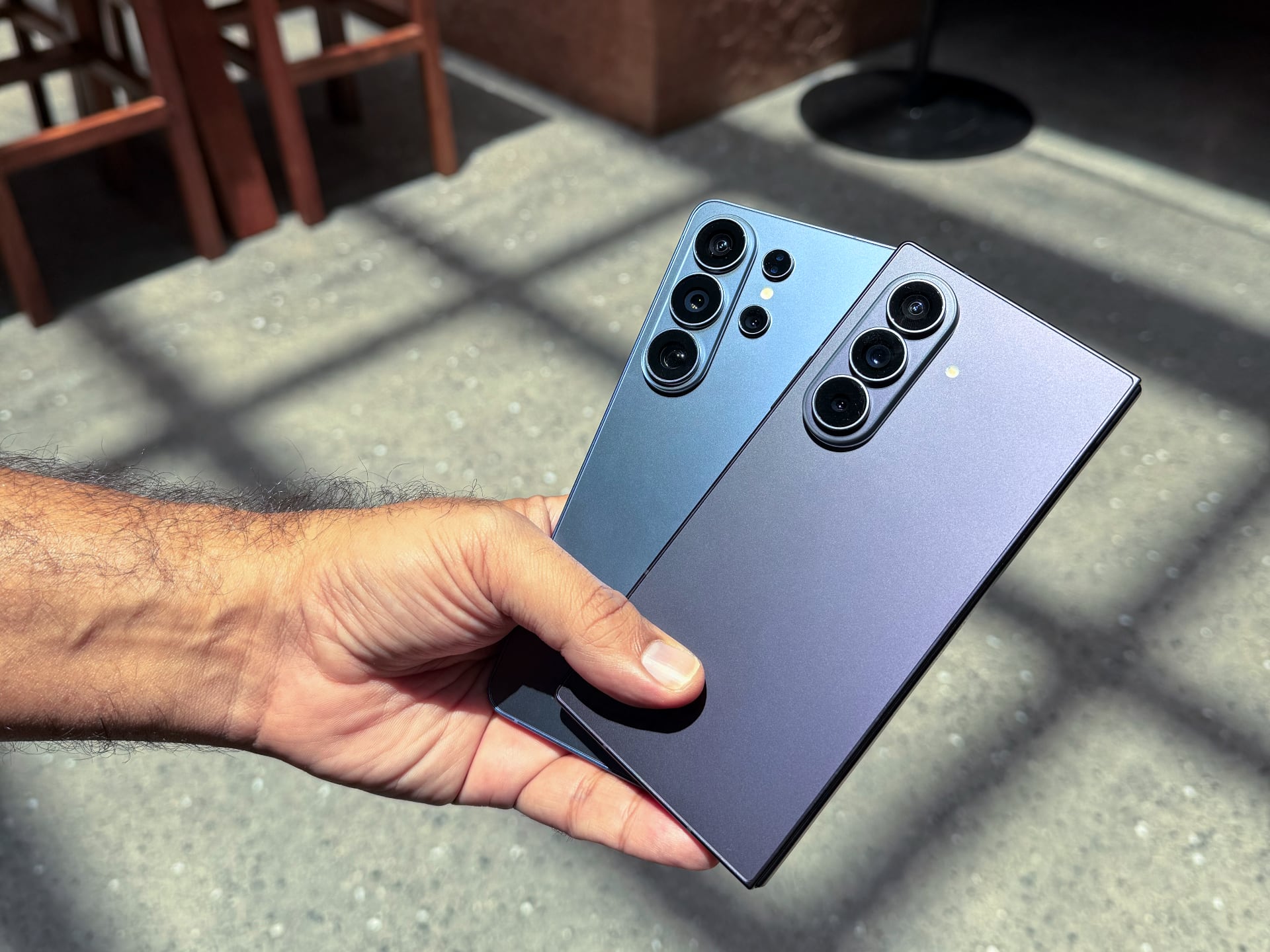
Samsung’s own foldables recently overtook its Galaxy S line, and the flexible OLED panels inside them sit at the centre of that growth. Our best foldable phones in the UAE guide covers the current line-up, and we’ve tracked how Samsung foldables overtook the Galaxy S line.
What is a flexible OLED display?
A flexible OLED panel can bend without breaking, which is what lets phone makers build foldables, curved-edge screens and thin-bezel designs. Rigid OLED is the older, unbending variety, and it is losing ground.
Who is Sigmaintell?
Sigmaintell is a market research firm that tracks display shipments and fab utilisation. Its H1 2026 panel data is the source for the shipment figures in this article.
Which display makers lead the smartphone panel market?
BOE leads the overall smartphone panel market, LCDs included, with 280 million units shipped and a 25.2% share in H1 2026. Samsung Display leads the flexible OLED segment specifically, with a 34.3% share.