Apple has concluded its WWDC 2026 keynote, placing its long-awaited Siri overhaul at the centre of a software-heavy presentation.
There were no major hardware announcements during the keynote. Instead, Apple focused on the next generation of Apple Intelligence, a rebuilt version of Siri, refinements to the Liquid Glass interface introduced last year, and the annual refresh of its major operating systems.
The company formally unveiled iOS 27, iPadOS 27 and macOS Golden Gate 27, alongside updates for Apple Watch, Vision Pro and Apple TV. Apple also announced a custom equaliser for AirPods, a substantial expansion of Screen Time and child-safety features, and several changes designed to give developers more flexibility on the App Store.
Apple’s WWDC26 developer conference continues until June 12, meaning more technical details and smaller API changes are likely to emerge throughout the week. For now, these are the biggest announcements from the keynote and Apple’s accompanying WWDC26 releases.
Siri AI Is Apple’s Biggest WWDC 2026 Announcement
The headline announcement from WWDC 2026 was Siri AI, Apple’s long-delayed overhaul of its voice assistant.

Rather than operate primarily as a voice-command tool, the new Siri is designed to function as a more conversational AI assistant across Apple devices. It can answer general knowledge questions using information from the web, understand what is currently visible on the screen, and refer back to previous conversations.
Apple says Siri AI can also use personal context from the user’s device. For example, it can search through messages to find a friend’s address, retrieve information from emails, or help with tasks involving calendar events and other apps.
A dedicated Siri app will allow users to speak or type prompts in an interface closer to modern chatbot apps. Conversation history can be saved through iCloud and accessed across supported Apple devices, while users can also discuss images and files directly with Siri.

On the iPhone, Siri AI responses can appear through the Dynamic Island. Mac users will be able to type Siri queries through Spotlight, while Vision Pro users can interact with a floating Siri orb without necessarily saying “Hey Siri” first.
Apple is also adding more control over Siri’s voice, including adjustable pace, expressiveness and accent options.

The company says the new assistant has been designed around on-device processing and Private Cloud Compute for requests that require more processing power. Apple’s new Foundation Models were developed in collaboration with Google, although Apple is continuing to position Siri AI as a deeply integrated and privacy-focused alternative to standalone AI chatbots.
Siri AI is expected to launch as a beta later in 2026, initially in English.
Siri AI Will Be Delayed on iPhone and iPad in the European Union
Apple has confirmed that Siri AI will not be available on the iPhone or iPad in the European Union when iOS 27 and iPadOS 27 launch.
The company says the delay is linked to requirements under the EU’s Digital Markets Act. Apple argues that some interoperability requirements could affect the privacy and security model it has designed for Siri AI.
The EU version of iOS 27 and iPadOS 27 will also miss several related features at launch, including the dedicated Siri app, expanded Visual Intelligence tools, new writing tools and Siri integration inside the Camera app.
Apple has not provided a timeline for when those features will become available to EU iPhone and iPad users.
However, Siri AI will still be available in the European Union on supported Macs, Apple Watches and Vision Pro headsets.
iOS 27 Brings Siri AI, More Liquid Glass Controls and Smarter Apps
iOS 27 is not a dramatic visual redesign in the same way that iOS 26 was last year. Instead, Apple is refining its Liquid Glass interface while adding more practical controls and AI-powered features.
One of the most notable additions is a Liquid Glass opacity slider, allowing users to reduce or increase the transparency of interface elements. This should make the operating system easier to customise while addressing some of the readability complaints surrounding the original design.

Safari can now automatically organise related tabs into groups. Apple is also adding a Notify Me feature, which can alert users when a webpage changes, such as when an item returns to stock or a price is updated.
The Passwords app is gaining the ability to update eligible login credentials with a single tap. Shortcuts is also becoming more accessible, with users able to describe an automation in natural language and have the app build it for them.

Apple is expanding the Photos app with an upgraded Clean Up tool, generative reframing options and additional Image Playground features.
Siri AI is integrated throughout iOS 27, including a new Camera mode that can recognise objects and answer questions about what the camera is pointing towards.
Apple says iOS 27 will support the iPhone 11 and newer models.
iPadOS 27 Focuses on Faster Everyday Performance
iPadOS 27 builds on Apple’s recent efforts to make the iPad more capable as a productivity device, although this year’s update appears to focus primarily on performance and AI integration rather than another major multitasking redesign.

Apple says apps can launch up to 30 percent faster through intelligent preloading. Switching between apps should also feel more responsive.
Eligible iPads will gain Siri AI integration through Spotlight and the dedicated Siri app. Users can ask questions about files, search for information across apps and use natural-language prompts to build automations through Shortcuts.
Safari is also receiving the new Organize Tabs feature, allowing related pages to be automatically grouped together.
Apple is expanding its parental controls on the iPad as well, including new Screen Time limits, website approval requests and additional communication-safety features.
macOS Golden Gate 27 Drops Support for Intel Macs
The next version of macOS is called macOS Golden Gate 27, and it marks a major turning point for older Mac users.
Golden Gate will only support Macs powered by Apple silicon. macOS Tahoe 26 was the final major macOS release for Intel-based Macs, although Apple says those systems will continue receiving security updates for three more years.
The operating system includes several visual refinements to Liquid Glass. Users can adjust interface transparency with an opacity slider, window corners have been tightened, and sidebar icons have regained more colour.
Apple is also rebuilding Search to index content more quickly. Spotlight can search through Photos and Mail more effectively, and users can type Siri AI requests directly into Spotlight.
During its demonstration, Apple showed Siri analysing multiple PDF documents at once. Users can select several files, ask questions about their contents and receive a consolidated response without opening each document manually.
Visual Intelligence is also expanding on the Mac. A new keyboard shortcut can capture information from the screen and turn it into an action. For example, users can take a screenshot of an event schedule and automatically add the dates to Calendar, or ask questions about a product displayed on a website.

watchOS 27 and visionOS 27 Expand Siri AI Across More Devices
Apple’s new assistant is not limited to the iPhone, iPad and Mac.
Siri AI will also be available on supported Apple Watch models and Vision Pro headsets. The Vision Pro implementation is particularly notable, as users can look at a floating Siri orb and begin interacting with the assistant without relying entirely on a spoken wake phrase.
Apple did not spend as much time discussing watchOS 27 or visionOS 27 as it did its larger operating-system updates. However, the cross-device Siri integration is an important part of Apple’s broader strategy.
Apple wants Siri AI to feel like a single assistant that follows the user across devices, rather than a collection of separate app-specific features.
AirPods Finally Get a Custom Equaliser
AirPods users will be able to create a custom equaliser profile through iOS 27.

The new EQ controls allow users to adjust low, mid and high frequencies based on their listening preferences. Until now, AirPods users largely had to rely on Apple’s default sound tuning and a smaller set of accessibility-related audio adjustments.
The new equaliser should make it easier to add more bass, bring vocals forward or reduce treble depending on the user’s preferences.
Screen Time and Child-Safety Features Receive a Major Overhaul
Apple announced a substantial expansion of its child-safety and parental-control tools across the iPhone, iPad and Mac.
Setting up a child account will become simpler, with Apple recommending age-appropriate essential apps during the process. Child accounts remain required for users under the age of 13, although parents can continue using the system for teenagers up to the age of 18.
A new Ask to Browse feature allows children to request permission before accessing a new website in Safari. Parents can approve or decline the request from their own device.
Parents will also be able to manage who their children can communicate with through Messages, FaceTime and the Phone app.
Communication Safety, which already detects and blurs nudity in shared images, is expanding to cover gore and violent content. Apple says the system can intervene before children view or share potentially disturbing images and videos.
Screen Time is also gaining more flexible Time Allowances. Parents can apply limits to categories such as games, entertainment and social-media apps, set daily schedules, and quickly pause or modify restrictions.
Apple has redesigned the Screen Time overview to make average usage and frequently used apps easier to understand at a glance.
The company is also working with the American Academy of Pediatrics on guidance for families, while new developer APIs will allow apps to support age-range information and sensitive-content protections without requiring a child’s exact birthday to be shared.
The App Store Adds Personalised Discovery and New Subscription Options
Apple also announced several App Store changes designed to improve app discovery and give developers more flexibility.
Creative Assets will allow developers to submit richer images and videos for App Store search results and editorial placements. Developers will be able to preview product pages across different devices, languages, display orientations and dark mode before submitting them.
Apple is rolling out Personalised Collections and App Notes in the United States in English. These features recommend apps based on a user’s download and usage interests.
The company is also expanding subscription support for businesses, schools and other organisations through StoreKit 2. Developers can offer group purchases and volume subscriptions through Apple Business Manager and Apple School Manager.
New App Store Bundles will allow multiple developers to package related apps together. Suites will let a single developer group several apps into one package, including apps that may not be sold separately.
Retention Messaging will give developers additional tools to communicate with users who are considering cancelling a subscription.
Apple is also streamlining in-app purchase submissions, allowing developers to submit multiple items together rather than handling each one individually.
With macOS Golden Gate dropping Intel support, Mac App Store developers will no longer be required to provide Intel-compatible versions of their apps and games.
tvOS 27 Is Part of Apple’s Wider Platform Refresh
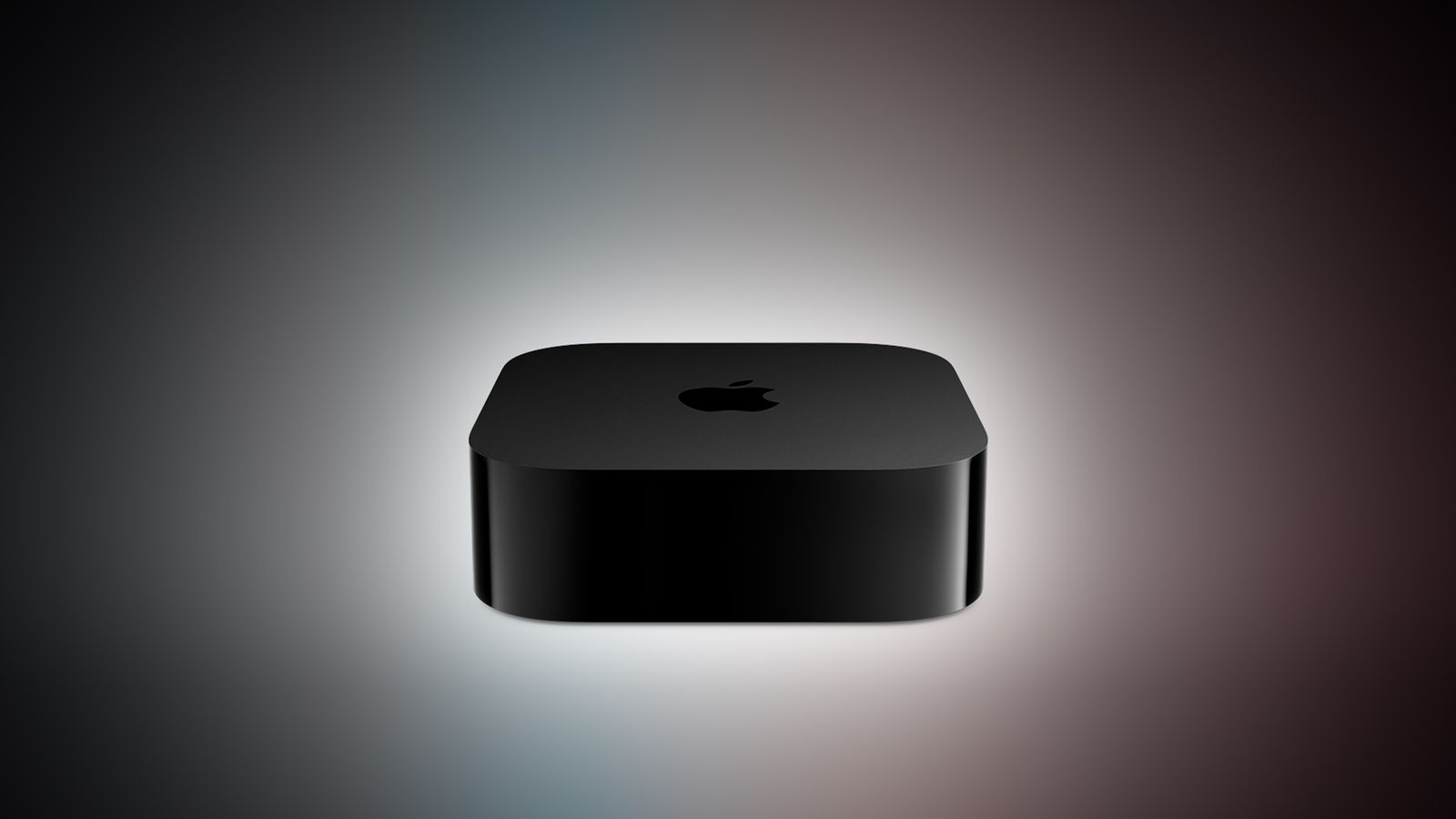
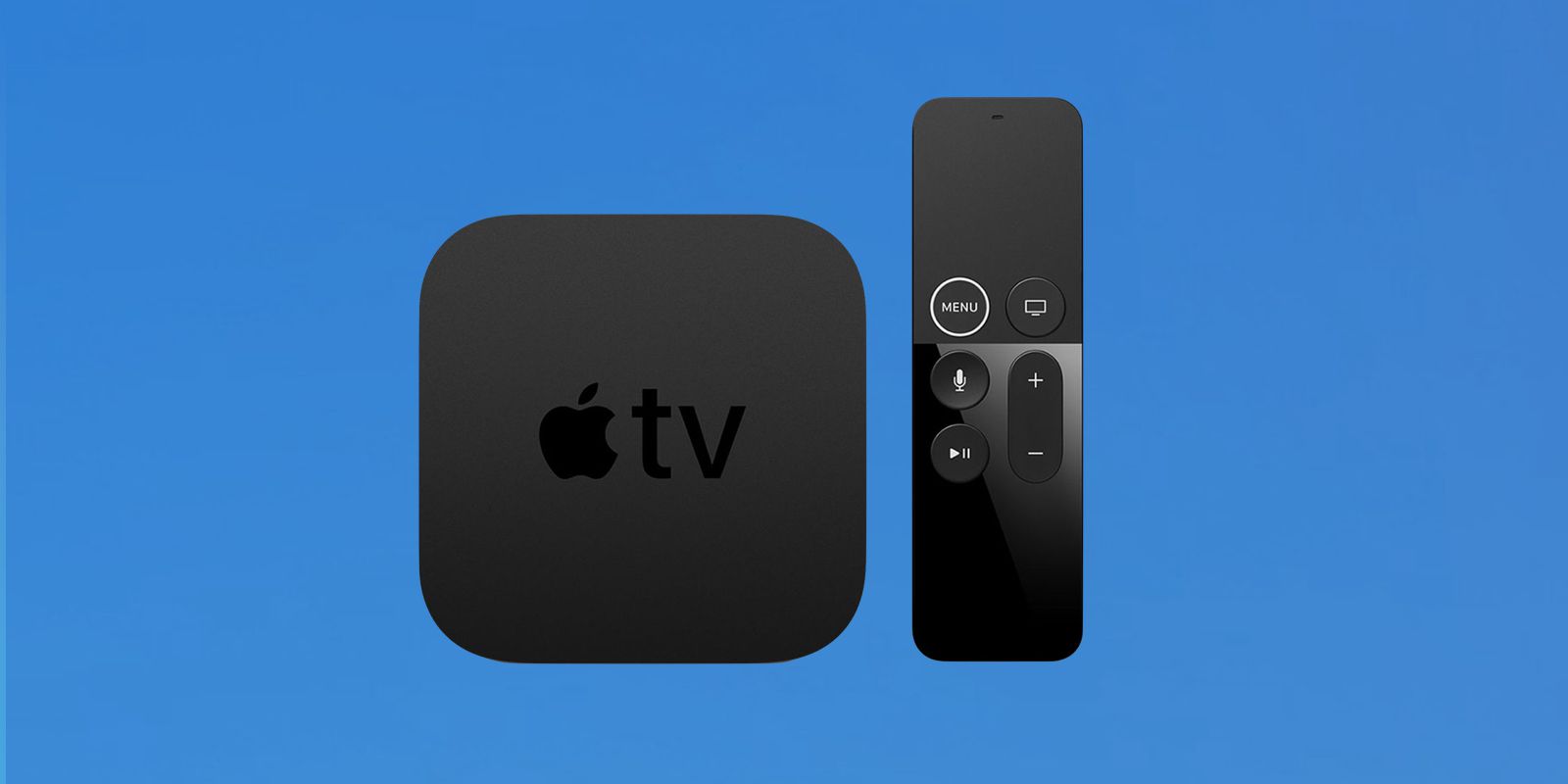
Apple TV is also moving to tvOS 27 as part of this year’s operating-system refresh.
However, Apple did not give tvOS a major standalone showcase during the keynote. The presentation was primarily focused on Siri AI and the updates coming to the iPhone, iPad and Mac.
Additional tvOS details may emerge during WWDC26 developer sessions.
Apple’s WWDC 2026 Keynote Was About Software, Not Hardware
Apple did not unveil a new Mac, iPhone, iPad or Vision product during the WWDC 2026 keynote.
Instead, the company used the presentation to address one of the biggest questions surrounding its recent software strategy: how it plans to compete in the generative-AI era after the delayed rollout of its more advanced Siri features.
Siri AI is the centrepiece of that effort, but Apple’s wider strategy is also becoming clearer. The company is trying to embed AI into the operating system itself, rather than position it as a separate chatbot or standalone app.
The version 27 updates are expected to roll out later in 2026, with some features arriving gradually and Siri AI launching initially as a beta.
FAQ
What did Apple announce at WWDC 2026?
Apple announced Siri AI, iOS 27, iPadOS 27, macOS Golden Gate 27, updates for Apple Watch, Vision Pro and Apple TV, a custom AirPods equaliser, expanded Screen Time and child-safety tools, and several App Store changes for developers.
When will iOS 27 and Siri AI be released?
Apple plans to release iOS 27 and its other major operating-system updates later in 2026. Siri AI is expected to launch as a beta later in the year, initially in English.
Will Siri AI be available in the European Union?
Siri AI will not be available on the iPhone or iPad in the European Union when iOS 27 and iPadOS 27 launch. Apple says the delay is linked to Digital Markets Act requirements. Siri AI will still be available in the EU on supported Macs, Apple Watches and Vision Pro headsets.