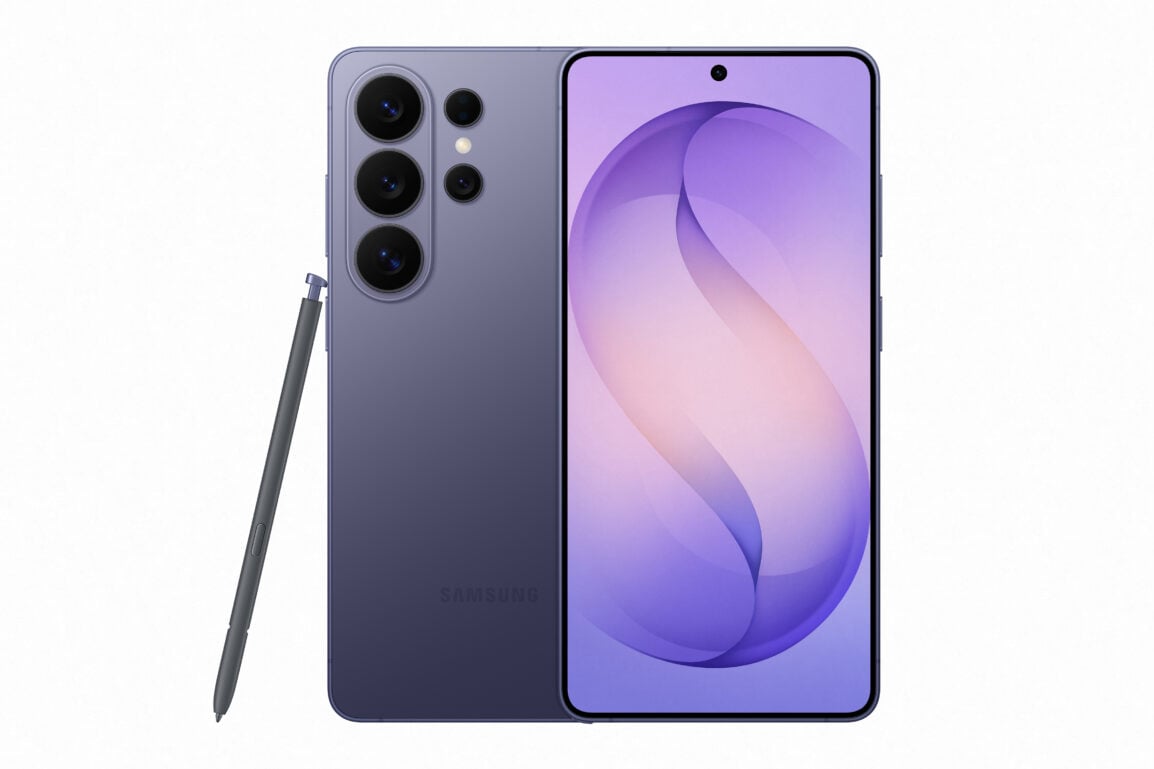
Samsung reclaims the smartphone crown in 2026, if Counterpoint Research’s August forecast holds. The firm expects global shipments to fall 14.3% this year, the steepest annual decline on record, as a memory chip shortage pushes component costs up sharply. Samsung, by contrast, is expected to grow 0.8% and retake the top spot from Apple, which edged it out by a single percentage point in 2025.
The advantage is structural. Samsung makes its own memory chips, which helps when memory is the problem. The company’s integrated supply chain, broad portfolio and established operator and retail relationships are why Counterpoint sees it weathering the storm, principal analyst Wang Yang said.
“Samsung’s return to the top position comes down to its internal component capabilities, broad portfolio, and established operator and retail relationships.”
Wang Yang, principal analyst at Counterpoint Research
Why Samsung reclaims the smartphone crown
The AI boom is the culprit behind the shortage. Fabs have shifted capacity towards HBM and server DRAM, squeezing the LPDDR4/5 chips phones use; Counterpoint’s May data had mobile memory prices on track to treble in Q2 2026 versus Q4 2025, and wholesale prices rose 14% in Q1.
Apple is expected to remain resilient, though Counterpoint is more cautious on the iPhone maker. Huawei, which built its own hardware supply under US sanctions, is the only Chinese brand expected to sustain significant growth. Price-sensitive rivals could see shipments drop by as much as 34%, with Xiaomi and Transsion among the most exposed.

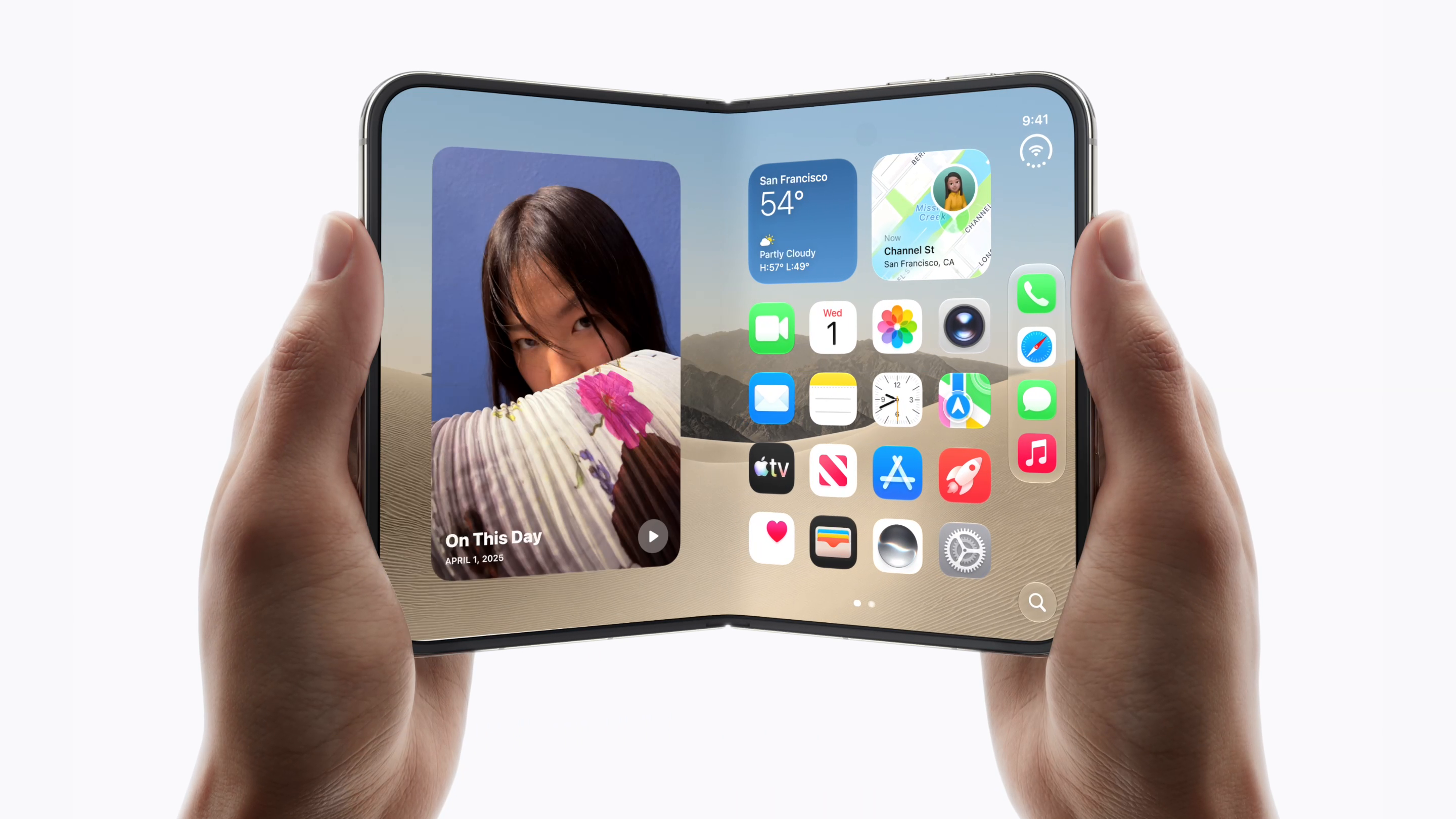
Wang does not expect foldables or on-device AI to rescue the year either: “Foldables and on-device AI should support product differentiation and premiumisation but are not expected to create a broad shipment supercycle.”
What it means if you’re buying a phone in the UAE
Samsung and Apple together account for roughly half of Middle East smartphone shipments, per Omdia’s 2025 data, and both are the brands best insulated from the memory crunch. The pressure will land on the value segment: the same shortage has already pushed the base iPhone 18 into 2027 and forced Apple to scale back 2026 production, so UAE buyers shopping mid-range should expect prices to keep climbing while the discounts shrink.
Counterpoint expects the market to fall again in 2027 before recovering in 2028.
Which phone brands are hit hardest by the memory shortage?
Counterpoint’s forecast has Xiaomi falling 28% and Transsion 32% in 2026, with price-sensitive brands seeing drops of up to 34%. The sub-$150 segment is effectively exiting some markets entirely. Huawei is the only Chinese brand expected to grow.
When will the smartphone market recover?
Counterpoint expects another decline in 2027, with recovery in 2028 as memory supply normalises and the next upgrade wave arrives. The refurbished market is forecast to grow 13% this year as buyers trade down.
Is the memory shortage affecting phone prices in the UAE?
Samsung and Apple account for roughly half of Middle East shipments and are the brands best insulated from the crunch, but the same component costs are pushing up mid-range prices everywhere. The base iPhone 18 has been delayed into 2027 partly on the same shortage.