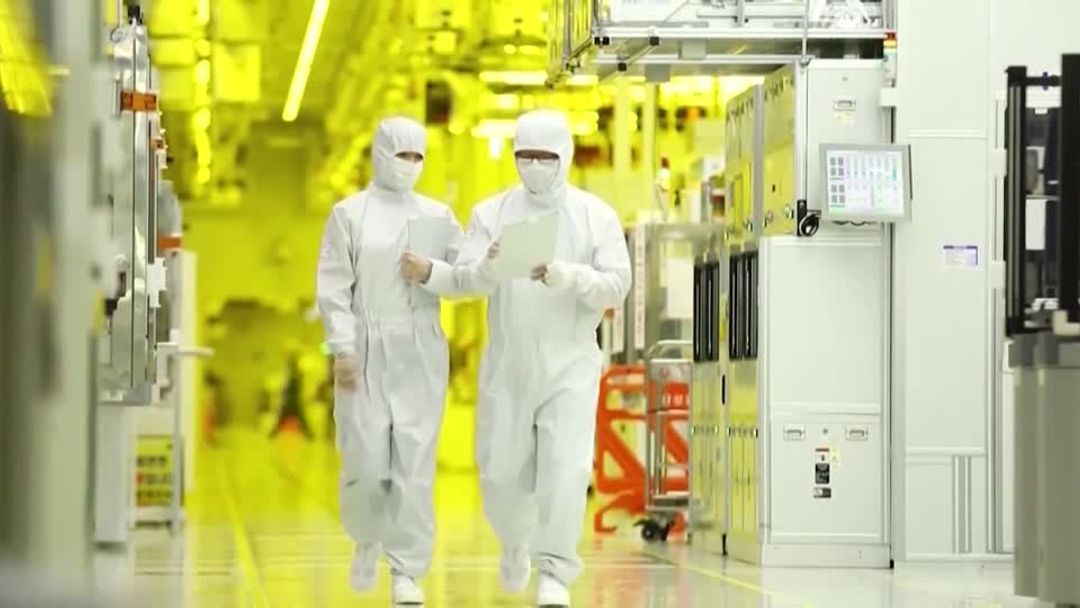
Samsung is reportedly committing up to 70% of its memory-chip production to long-term agreements through 2031, leaving less supply for the open market as AI data-centre demand continues to rise. The figure comes from a report cited by SamMobile, while Reuters has separately reported that agreements could eventually cover 60% to 70% of Samsung’s memory sales. Samsung memory chip supply is therefore being discussed as a range rather than a single confirmed figure.

Samsung memory chip supply is increasingly tied to AI demand
Samsung has signed multi-year supply agreements with major data-centre operators and is nearing further deals, according to Reuters. The company said almost all customers are asking for multi-year contracts, with agreements lasting at least five years and commonly including upfront payments and floor pricing.
“Almost all customers are requesting multi-year supply contracts,”
Jaejune Kim, executive vice president of Samsung’s memory business, via Reuters
Reuters reported in July that Samsung was targeting contracts covering about two-thirds of its memory output over the longer term. Its August report put the eventual share of memory sales covered by long-term agreements at 60% to 70%, which is close to but not identical to the 70% production-capacity figure cited by SamMobile.
The shift is being driven by AI infrastructure. Memory makers are directing more production towards high-bandwidth memory for AI processors, while demand for NAND storage is also increasing as AI workloads expand beyond training into serving responses. Reuters said inventories across DRAM and NAND supply chains remained below historical levels, according to Citi analysts.
What this could mean for RAM and storage prices
Long-term contracts give Samsung and its customers more predictable supply, but they can also leave fewer chips available to buyers outside those agreements. SamMobile reported that this could add pressure to prices for mobile devices, computers, consoles and other products that use memory components.
That is a risk rather than a confirmed price increase. Samsung’s reported allocation does not set the retail price of a particular phone, laptop, RAM kit or SSD, and the effect will vary by component, supplier and region.
What it means if you’re shopping in the UAE
There is no verified UAE-wide price increase tied specifically to Samsung’s agreements at the time of writing. UAE buyers could still feel the effect through higher prices for RAM, SSDs, phones, laptops and consoles if manufacturers pass on higher component costs.
The more immediate point for retailers is planning. Supply tied up in multi-year agreements may make procurement less flexible if AI customers continue taking priority, while finished-device prices will depend on each brand’s stock and contracts.
The current memory squeeze follows earlier tbreak coverage of Xiaomi raising prices as memory costs rose, Apple reducing shipments amid a DRAM shortage, and Synology shipping some NAS models with less RAM.
How long could the memory shortage last?
Reuters reported that Samsung expects global chip shortages to become more acute and extend into 2028. The longer-term agreements cited by SamMobile run to 2031, but that does not mean the wider shortage will last until then; it means some supply commitments may remain in place beyond the expected shortage period.
The contracts also give Samsung a way to protect margins through floor pricing if the market cools. Buyers face a memory market with less spare capacity and more demand from companies building AI systems. It is not a recipe for cheaper RAM in the near term.
The story is still developing, and Samsung has not publicly confirmed the exact 70% figure cited in the SamMobile report.
Source: SamMobile, with additional reporting from Reuters and Reuters’ report on Samsung’s AI memory technology.
This article was corrected to distinguish the reported 70% production-capacity figure from Reuters’ separately reported 60%–70% memory-sales range.
How much of Samsung’s memory supply is reportedly committed?
SamMobile cites a report saying Samsung allocated up to 70% of its memory production capacity to long-term agreements through 2031. Reuters separately reported a 60% to 70% range for memory sales and a longer-term target covering about two-thirds of output.
Why is Samsung signing longer memory contracts?
AI data-centre demand is increasing demand for HBM and other memory products. Multi-year agreements give Samsung and large customers more predictable supply and can include upfront payments and floor pricing.
Will RAM and SSD prices rise in the UAE?
A UAE-wide price increase has not been confirmed. Higher memory costs could feed into RAM, SSD, phone, laptop and console prices, depending on suppliers, stock and manufacturer contracts.