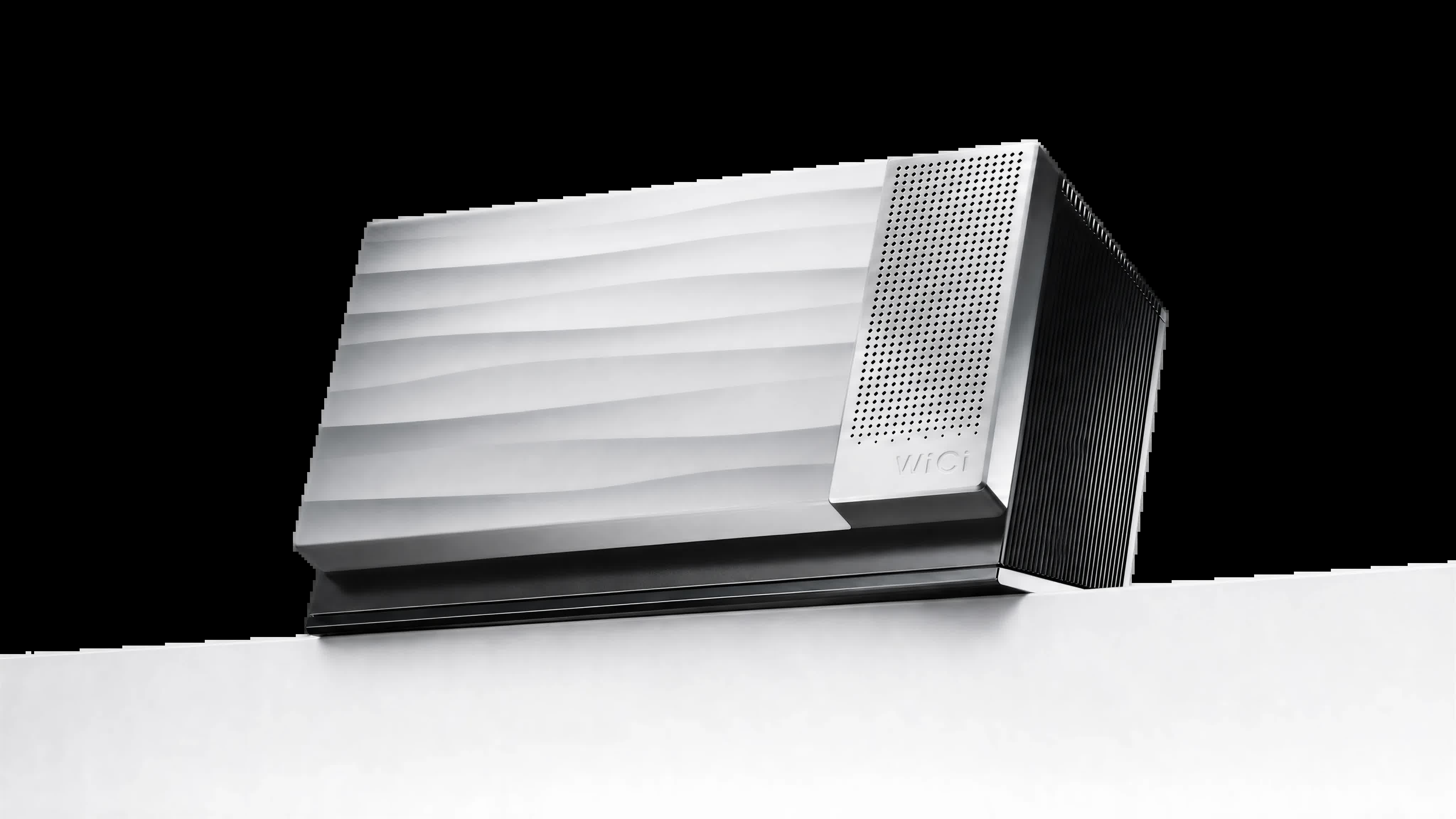
JouleForce micro-channel cooling is the subject of a new research partnership between Noctua and Forced Physics, which are testing whether the technology can work in quiet desktop PCs and workstations. The companies say the project is long-term and is not tied to a product or release date. Wccftech reports that the system could handle more than 2,000W under suitable conditions, based on Forced Physics’ existing technology. Noctua’s announcement is more cautious about what comes next.

JouleForce micro-channel cooling takes a different route
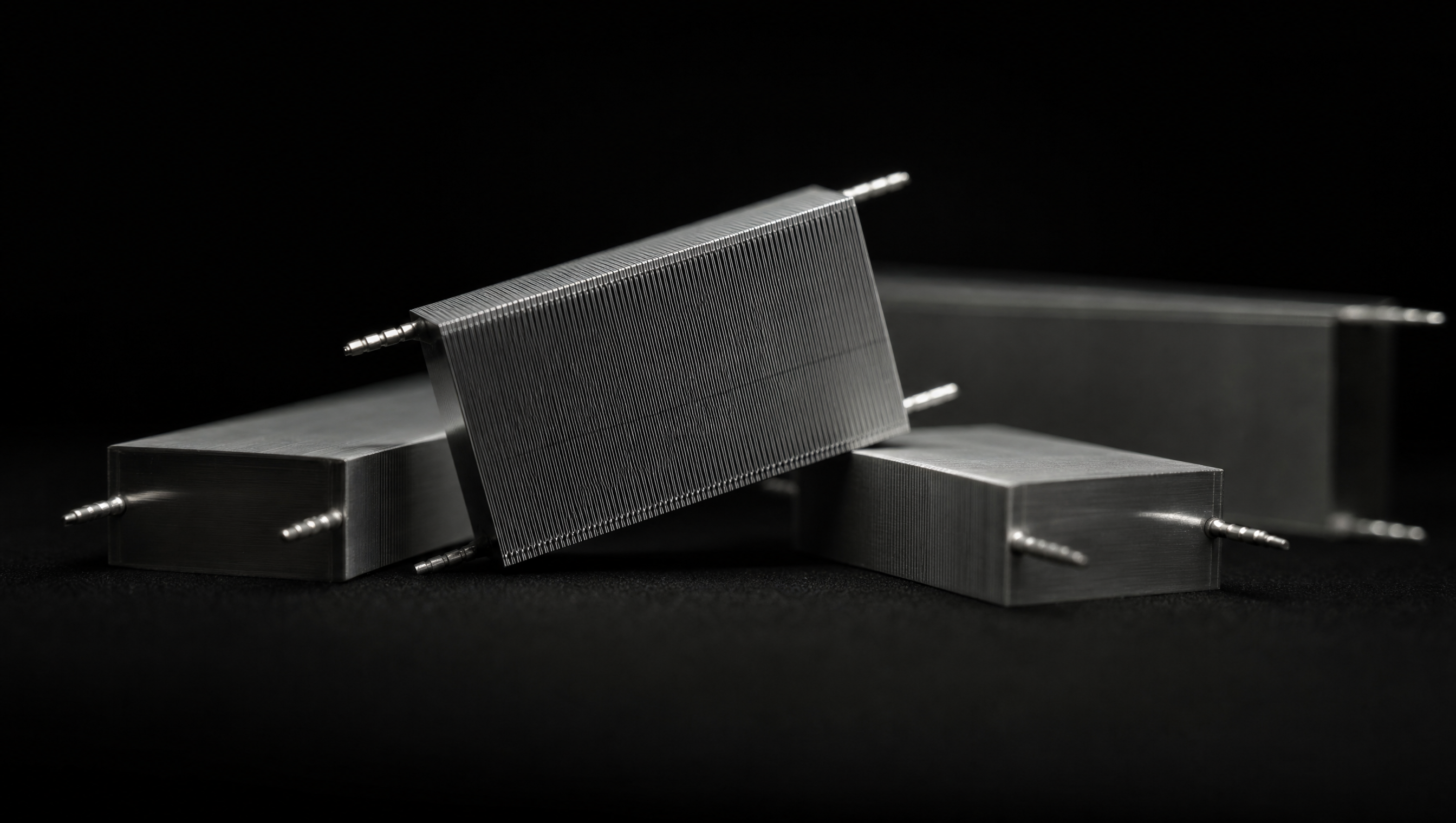
Conventional air coolers rely on fins and airflow across their surfaces. JouleForce uses extremely small channels to keep air interacting with heated surfaces along the channel length, avoiding the boundary layer that limits ordinary heatsinks. It removes heat with air rather than pumps, tubing and a liquid loop.
Forced Physics calls it a “third cooling path” because it sits between familiar air coolers and liquid systems. The technology is aimed at high-density computing, including AI accelerators and data centres. Noctua is investigating whether the same principle can work in a desktop form factor.
The desktop problem is pressure, not just heat
The micro-channels create a steep airflow-resistance problem. Noctua says current implementations need industrial blowers, high-speed centrifugal fans or vacuum pumps, with a pressure drop at least an order of magnitude above the range covered by conventional axial PC fans.
That is a poor fit for a machine expected to sit beside a monitor. The partnership will look at reducing the required static pressure or generating it within desktop limits for noise, size, sealing and reliability. Noctua CEO Roland Mossig described the work as a demanding, long-term engineering task rather than a near-term cooler launch.
The research arrives as high-power computing pushes cooling systems in different directions. LG is also developing larger cooling equipment for AI data centres, while Nvidia’s Rubin systems are being designed around liquid cooling. Noctua and Forced Physics are testing whether air can keep a place in that conversation.
For PC builders in the UAE, there is no product to buy yet and no local release information to track. Any eventual desktop cooler would still need to meet the same noise and reliability expectations as Noctua’s existing hardware, rather than simply winning a thermal chart on a lab bench.
Is Noctua launching a JouleForce CPU cooler?
No. The announcement describes a long-term research partnership and says it is not tied to a specific product or release date.
Why is JouleForce difficult to use in a desktop PC?
Its tiny channels create much more airflow resistance than conventional heatsinks, so current systems need high-pressure blowers or similar equipment that can be too loud and bulky for a desktop.
Could this replace liquid cooling for high-power PCs?
It is too early to say. JouleForce is being studied as an air-based alternative, but Noctua must first solve the pressure, noise, sealing and size constraints of a consumer PC.