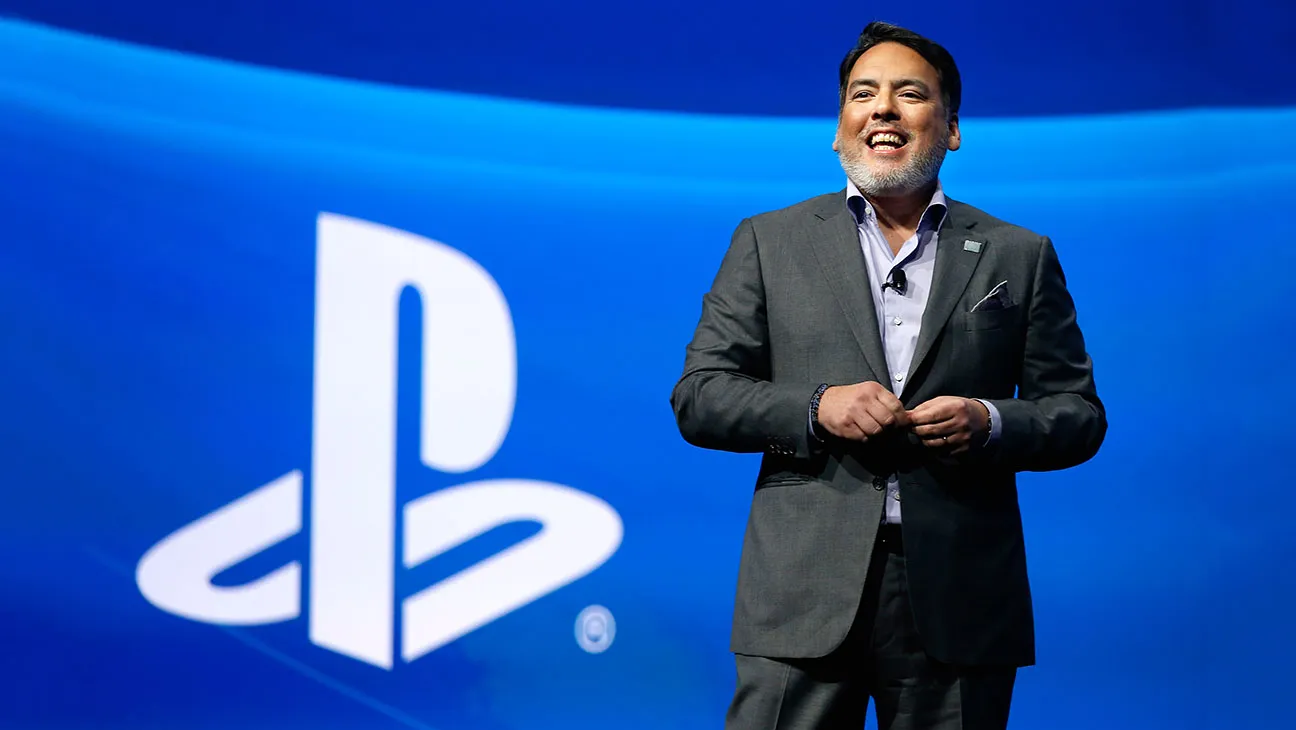
Former PlayStation boss Shawn Layden argues Sony’s PC strategy was never about revenue but about building IP awareness. He says a game ported to PC 18 months after launch costs no hardware sales because those players were never going to buy a console anyway.
- Shawn Layden says the original PlayStation-on-PC strategy was about IP awareness, not software revenue.
- Layden argues a game released on PC 18 months after console launch does not cost a hardware sale.
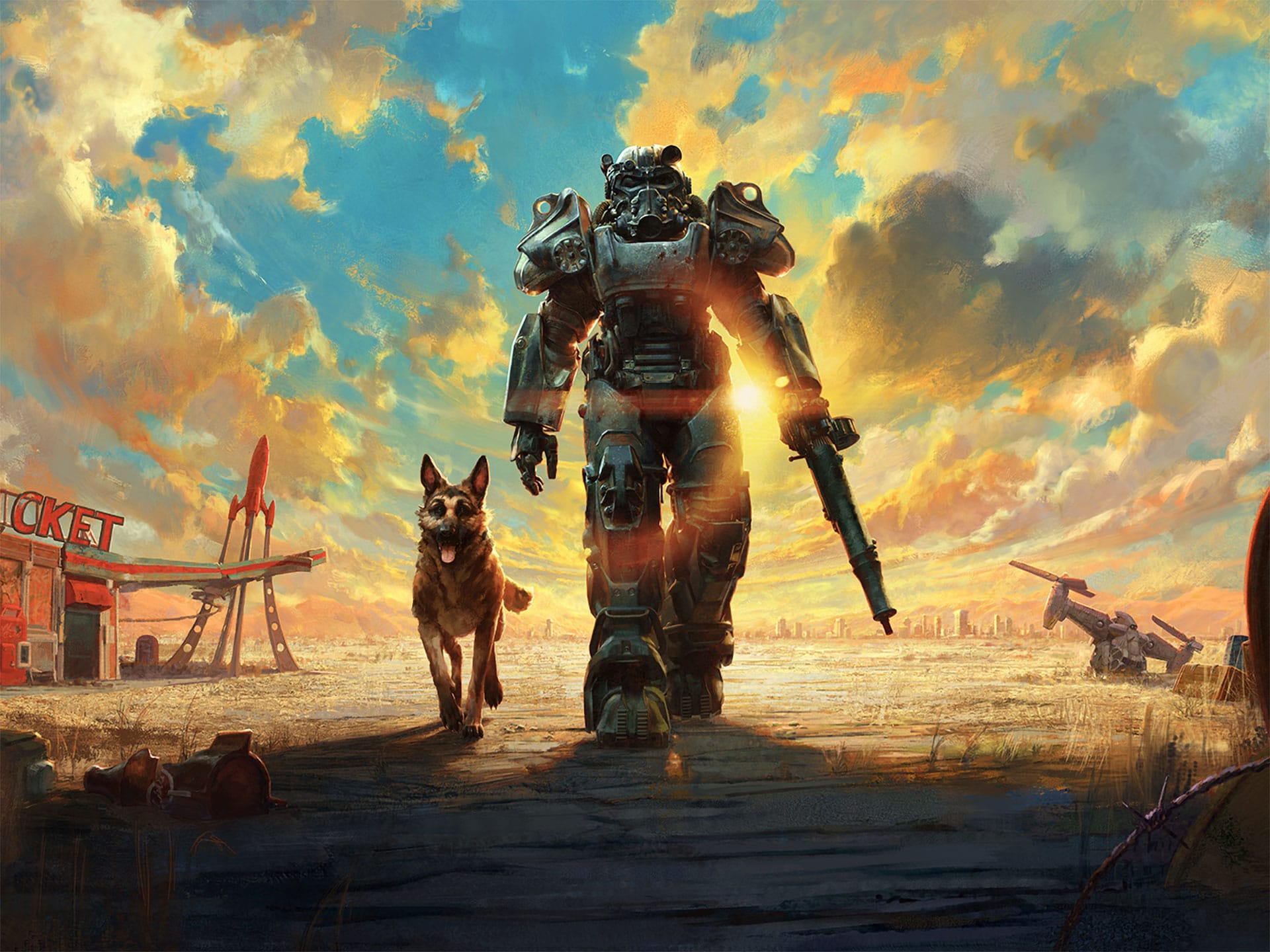
- He named God of War and Horizon as the franchises used to build brand awareness on PC.
- Layden distinguishes single-player exclusives (awareness plays) from live-service games, which he says must be multi-platform for the economics to work, citing Helldivers 2.
- Sony has reportedly pulled back from PC, with only live-service titles still under consideration and first-party single-player ports no longer planned.
Former PlayStation boss Shawn Layden argues Sony’s PC strategy was never about revenue but about building IP awareness. He says a game ported to PC 18 months after launch costs no hardware sales because those players were never going to buy a console anyway. In a new PSI interview, Layden pushed back on Sony’s reported retreat from PC, with only live-service titles still under consideration.
As reported by RespawnIndex, citing a PSI interview, Layden framed the original logic in plain terms. The aim was reach, not revenue — getting franchises like God of War and Horizon seen by audiences outside the console base.
There’s been a lot of misunderstanding about my decision to put a game on PC… The PC thing in my mind anyway, at the time was not to make money, frankly. It was how do I get my intellectual property in front of people who wouldn’t normally see it?
Shawn Layden, Former PlayStation boss
Why PlayStation started putting games on PC
Layden says the PC push was an IP-awareness play, not a software-revenue grab. The goal was mindshare — getting non-console players aware of PlayStation’s characters and stories so those franchises could matter beyond games.
He pointed to PlayStation’s first-party titles such as God of War and Horizon as the model. He was under no illusion that PC players would rush out to buy a console after finishing them: “I wasn’t that crazy,” he said. The point was wider exposure to support a move into TV, film, comics and merchandise.
You need to have as many eyeballs that are aware of this character, of this story.
Shawn Layden, Former PlayStation boss
Telling those stories only to the existing PlayStation audience before pushing them into other media would be, in his words, “a hell of a jump.” Franchises like God of War, Horizon and The Last of Us, he argued, need broad awareness to live outside the console.
Does PC release hurt PlayStation hardware sales
Layden’s answer is no — at least not for games ported 18 months after launch. His challenge to the current rationale is direct: prove that a delayed PC port killed a console sale that would have happened a year and a half earlier.
If they think that a game coming out 18 months after its launch, if it comes out on another platform, that somehow it stopped a sale from happening 18 months ago in the hardware business, I’d like to see how they can prove that thesis. I think if someone’s waiting 18 months for something to come on PC, we didn’t lose a sale to them. They weren’t going to buy the hardware anyway.
Shawn Layden, Former PlayStation boss
That cuts at the core fear around PlayStation on PC: that every Steam release gives someone one less reason to buy a console. Layden’s view is the opposite — those buyers were never in the console market to begin with, so the port is closer to advertising that pays for itself over the long term.
Single-player versus live-service on PC
Layden draws a hard line between the two, and it matters for how Sony treats each. For single-player exclusives, a delayed PC port is a brand-awareness exercise. For live-service and free-to-play games, multi-platform is not optional.
If you have a massively multiplayer online game or live service game, or a free to play game, then you have to be multi-platform because the economics don’t work.
Shawn Layden, Former PlayStation boss
He frames it as “the size of the funnel.” When only a small share of players spend money in a free-to-play game, the audience has to be enormous for the economics to add up. Helldivers 2 is the obvious example of live-service scale doing exactly that — a PlayStation title that reached far wider by launching on PC day and date.
How Sony’s PC approach has changed
Sony has reportedly pulled back from its PC ambitions, and the split now runs along the exact line Layden draws. The table below maps his era against the reported current approach — bearing in mind Sony has not officially confirmed the shift.
| Game type | PC approach under Layden | PC approach now (reported) |
|---|---|---|
| Single-player first-party | Delayed PC port for IP awareness | Reportedly no longer planned |
| Live-service / free-to-play | Must be multi-platform to work | Still being considered |
The reported reasoning behind the pullback is lack of direct revenue. That is where the philosophical split bites. Under Layden, PC was never measured by software sales; it was a long-game investment in IP value. Current PlayStation leadership appears to judge it by direct dollar figures instead.
What this means for PlayStation players
Layden is a former executive with no current role at Sony, so this is a read on past strategy, not company policy. He said himself he does not know what current leadership is thinking — but he sounded unconvinced that an 18-month-late PC release does real damage to hardware sales.
For players in the UAE and across the GCC, where both PlayStation and PC gaming have large, overlapping audiences, the practical takeaway is simpler. If Sony holds its reported line, the steady drip of first-party single-player ports to Steam may slow, while live-service titles keep showing up across platforms. Nothing here is confirmed by Sony, and no specific games have been named as cancelled — but the strategic disagreement Layden lays out is real, and it shapes where these franchises land next.
FAQ
Why did PlayStation originally start releasing games on PC?
According to former PlayStation boss Shawn Layden, the strategy was never mainly about revenue. It was about getting PlayStation IPs in front of PC players who would never buy a console, building awareness to support franchises moving into TV, film, comics and merchandise.
Does releasing PlayStation games on PC hurt console sales?
Layden argues it does not, at least for games released 18 months after their console launch. His view is that anyone willing to wait 18 months for a PC version was never going to buy a PlayStation in the first place.
Is Sony still releasing first-party PlayStation games on PC?
Sony has reportedly pulled back significantly. Only live-service games are currently being considered for PC, while first-party single-player titles are reportedly no longer planned for the platform. Sony has not officially confirmed this.
Why do PlayStation live-service games need to be on PC?
Layden explains that live-service and free-to-play games need huge player bases to be viable, since only a small percentage of players spend money. He uses Helldivers 2 as an example where multi-platform scale was essential.