Bethesda and Activision have taken separate steps against AI-assisted projects built around Fallout and Call of Duty: Modern Warfare 2. Fallout: New York went offline after its creator said ZeniMax sent a legal notice, while a clip from an AI-assisted MW2 decompilation was disabled after a copyright report, according to Kotaku.
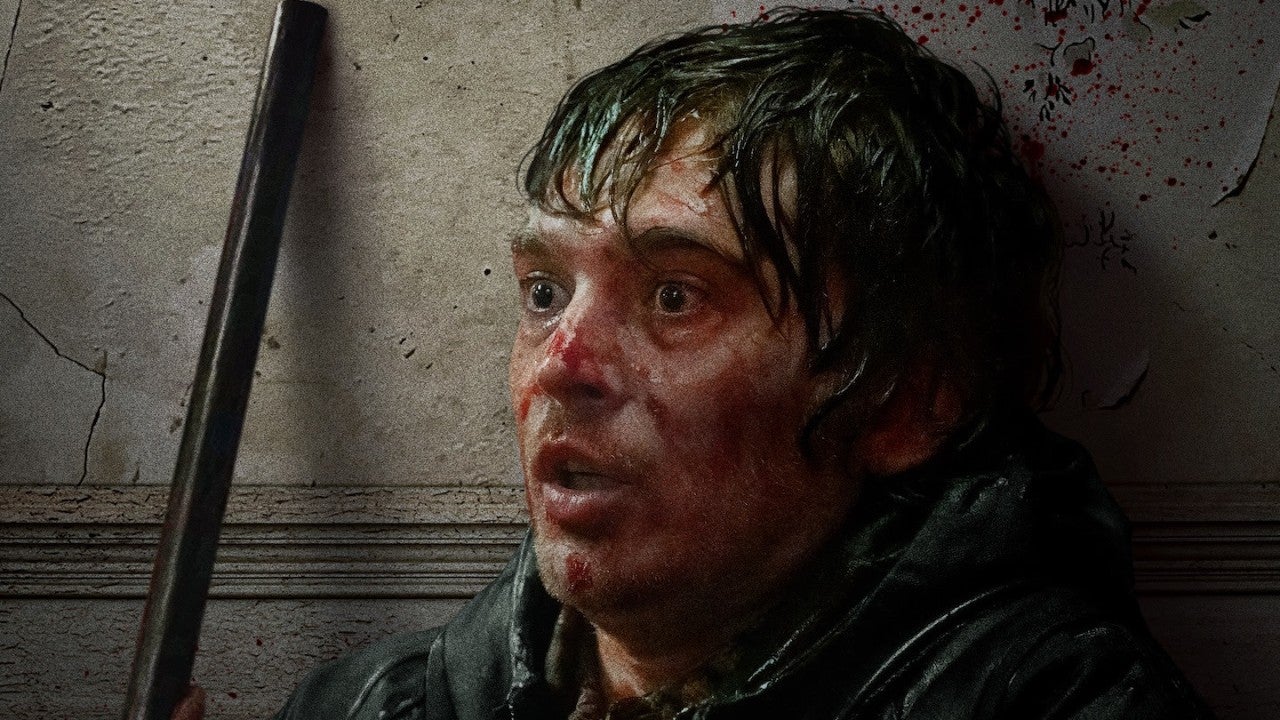
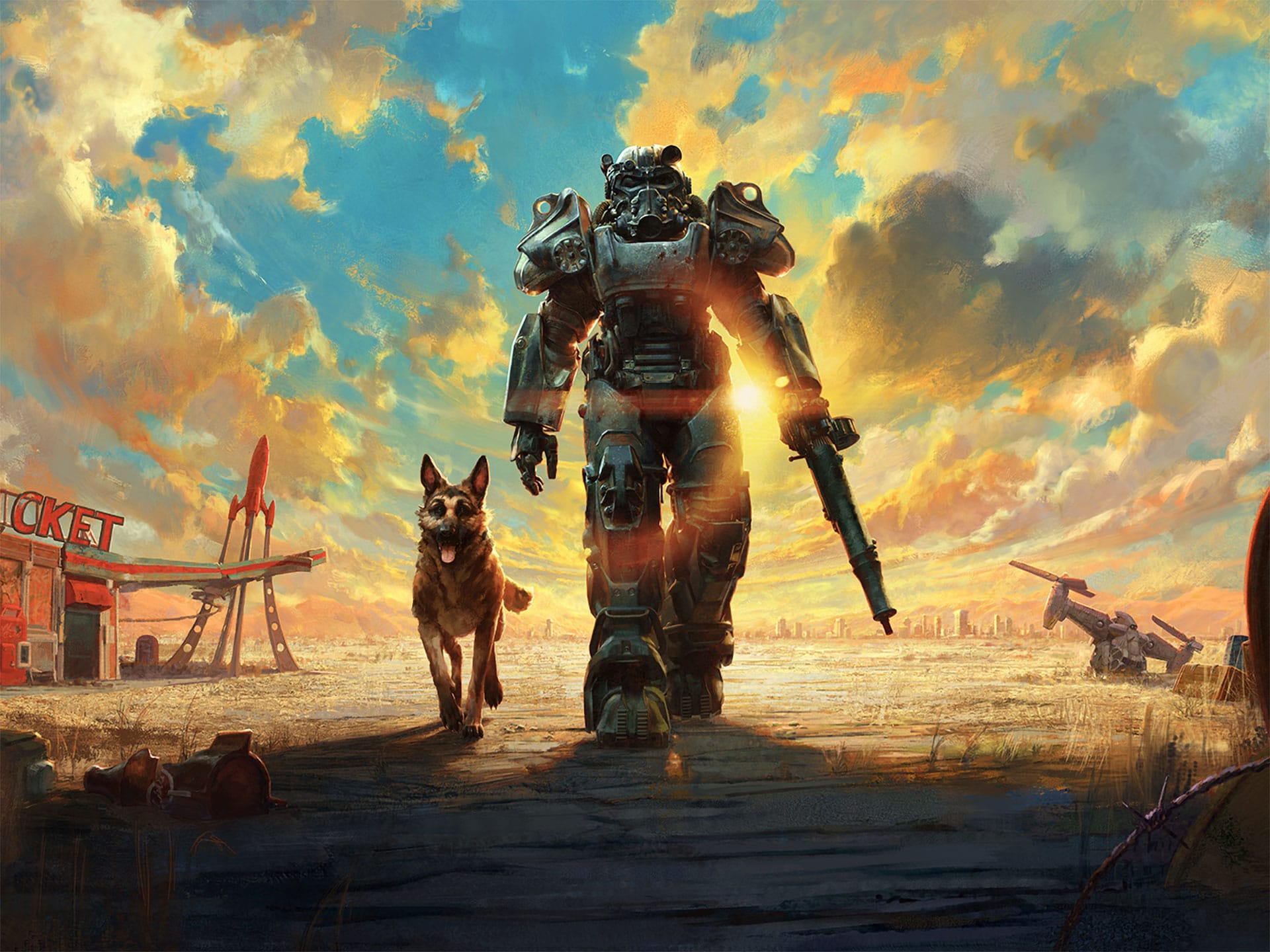
IGN reported that the Fallout: New York creator received a cease-and-desist notice from ZeniMax Media, Bethesda’s parent company. The featured image is official Fallout 4 key art from the base game, not artwork from the separate browser project.
Fallout: New York and the reported legal notice
Chris First presented Fallout: New York as a browser-playable Fallout game built with Claude Opus 5.5. The creator said it had quests, dialogue, V.A.T.S. combat and a working Pip-Boy, with its city, characters and other elements generated through code rather than pre-made textures or sound files.
The video drew 3.5 million views on X, IGN reported. First later said the project was coming down after the notice arrived. That was a demand from the rights holder, not a court ruling on AI-generated games.
The notice also referred to the fallout.nyc domain, linking the project’s branding to ZeniMax’s Fallout trademark. The reporting does not establish how a court would assess the specific material or domain use in this case.
Modern Warfare 2 was a different kind of rebuild
Maurice Heumann’s project aimed to decompile the 2009 PC version of Modern Warfare 2 and reconstruct its source code. In an August project post, Heumann described using AI coding agents to work through the game. He later said 17 agents were running in parallel and that the game was playable, claims also reported by TheGamer.
Kotaku reported that footage Heumann posted on X was replaced with a notice saying the media had been disabled after a copyright-owner report. A site linked to the code was also no longer accessible. That is not the same sequence as the ZeniMax notice: the available reports describe a social-platform copyright action and an unavailable host, not a court order against Heumann.
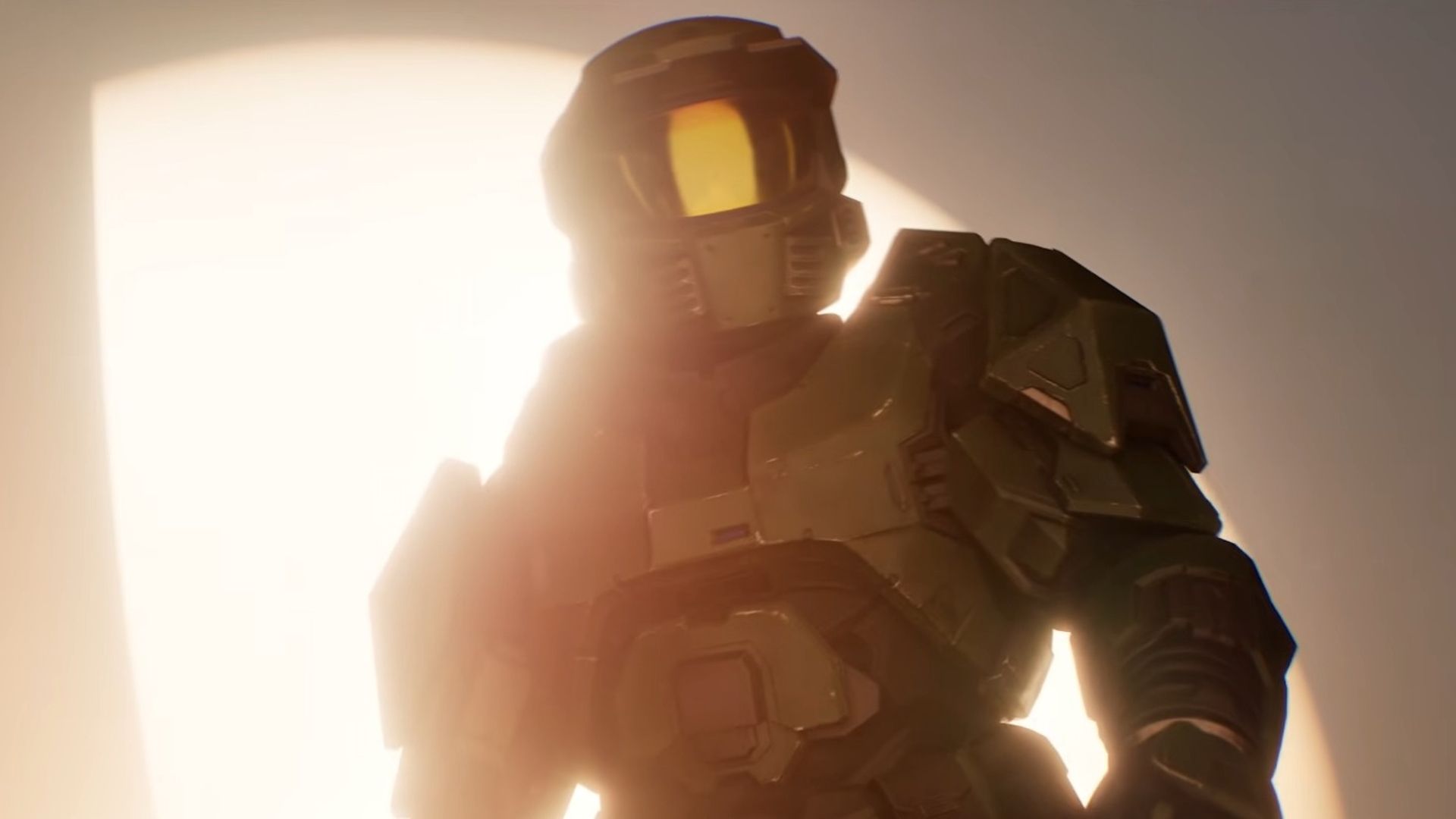
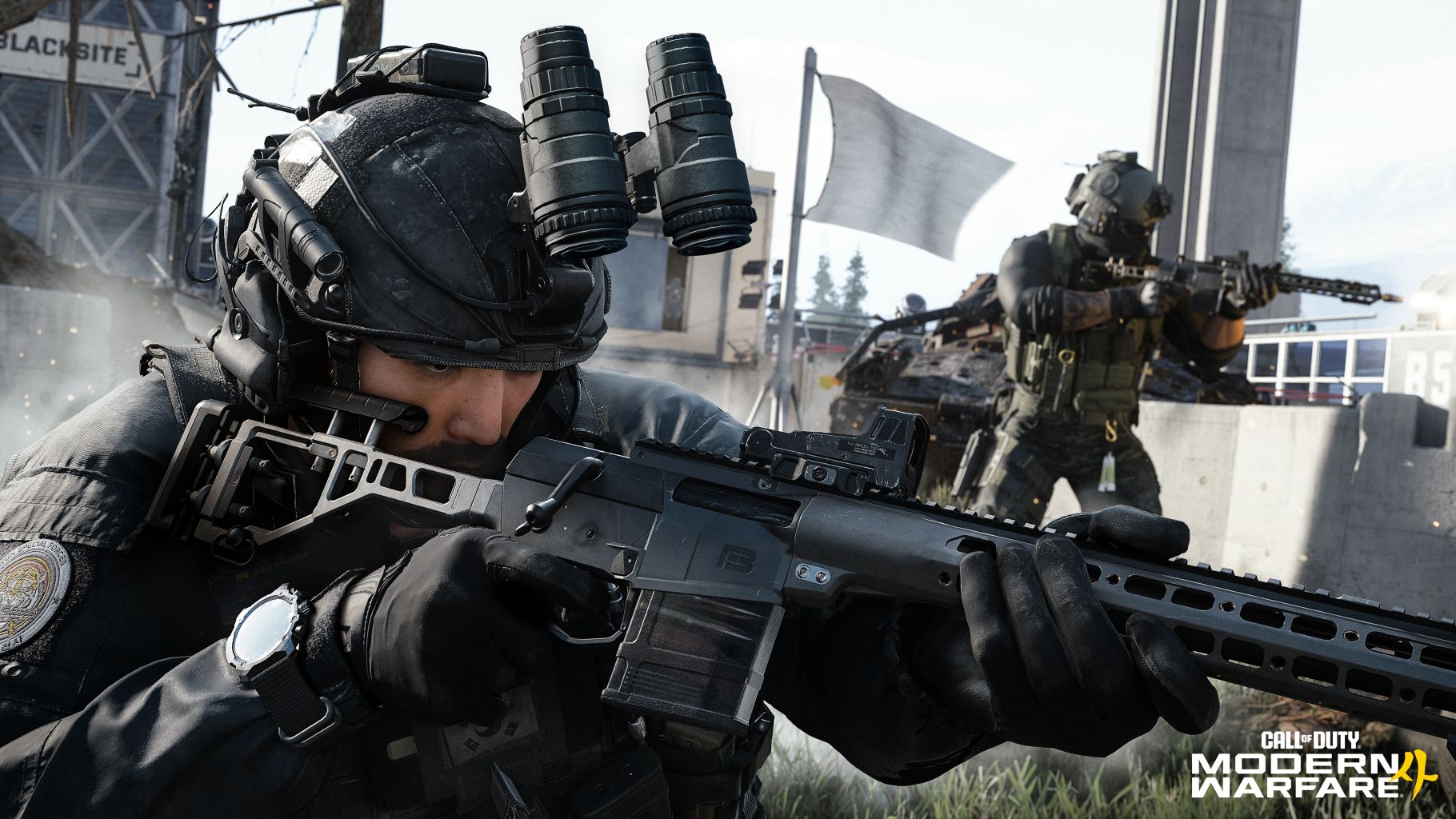
The official Modern Warfare 2 key art below comes from the game’s Steam listing. It is promotional artwork for the 2009 release, not an image of Heumann’s decompilation.

What the takedowns do and do not establish
The projects used AI in different ways: one recreated a recognisable Fallout experience in a browser, while the other attempted to reconstruct an existing game’s code. In both cases, using AI did not stop the rights holders or platforms from acting on material tied to their franchises. The reports do not show that either company sued the AI model providers, nor do they settle where the legal line falls for every AI-assisted fan project.
Publishers have already set boundaries for fan work through their own policies. Rockstar’s modding guidelines restrict certain story expansions, cross-title projects and unofficial ports; those are Rockstar’s rules, not a universal ruling on copyright. Separately, Steam’s AI disclosure policy tells developers what AI-generated content they must disclose to Valve. A store disclosure is not permission from a franchise owner to reuse its characters, code or other protected material.
For developers sharing a demo, the practical checks are the same whether the work was made by hand or with an AI assistant: identify who owns the game assets, code, music and branding, and get permission where required before publishing. A viral clip can bring attention to a project quickly; it can also bring the rights holder to the same page.
Some links in this article are affiliate links; tbreak may earn a commission from qualifying purchases.
Does a free fan game automatically avoid an intellectual-property complaint?
No. Not charging for a project does not by itself grant permission to use a franchise name, characters, code or other protected material. The details depend on the specific material and applicable law; the Fallout: New York report describes a rights-holder notice, not a court ruling.
Do these takedowns create a blanket ban on AI-assisted fan games?
No. The reports cover two specific projects and do not announce a universal policy from Bethesda or Activision. A publisher can assess projects individually, and its community rules may differ from another company’s.
What AI-generated content does Steam ask developers to disclose?
Valve’s disclosure form covers generative AI content players can encounter, including pre-generated art, sound or story and content generated live during play. The store notice explains the use; it is separate from permission to use someone else’s intellectual property.
Do AI coding assistants need to be declared on a Steam store page?
Steam exempts AI tools used behind the scenes for development, such as coding assistants. Developers still need to disclose covered AI-generated material that ships in the game or appears during play, and must separately clear any third-party material they use.