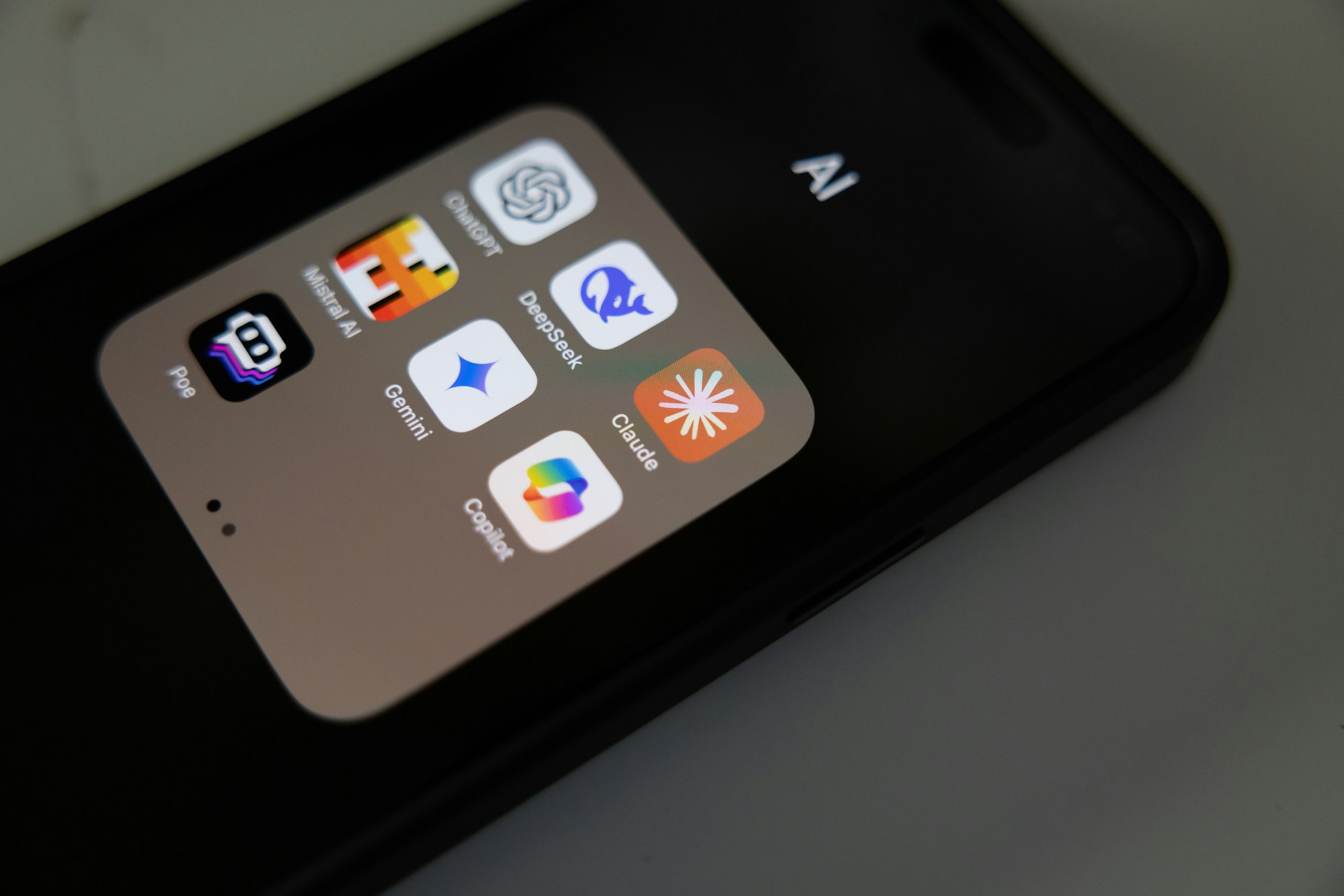
Anthropic has launched Claude for Creative Work, integrating its Claude AI directly into professional creative applications including Adobe, Blender, Autodesk, and Ableton. According to Anthropic’s announcement, the new initiative uses purpose-built connectors to embed AI capabilities seamlessly into existing creative workflows, aimed at how designers, artists, and musicians work today.
Key Takeaways
- Anthropic launched Claude for Creative Work with direct integration into professional creative tools.
- Partners include Adobe, Blender, Autodesk, and Ableton with more to follow.
- New connectors enable seamless AI assistance within existing creative workflows.
- The integration aims to boost productivity for designers, artists, and musicians globally.
What is Claude for Creative Work?
Claude for Creative Work represents a shift from standalone AI tools to direct integration within professional software. Rather than switching between applications, creatives can access Claude’s capabilities through purpose-built connectors that understand each platform’s specific context and requirements.
The system works by embedding Claude’s language and reasoning capabilities directly into partner applications. For designers using Adobe Creative Suite, this means AI assistance for concept development, copy generation, and workflow optimisation without leaving their familiar environment. Musicians in Ableton can leverage Claude for lyric writing, arrangement suggestions, or technical troubleshooting.
This approach contrasts with traditional AI tools that require users to copy information between applications. The connectors maintain context about the current project, making suggestions more relevant and actionable.
Which creative tools support Claude AI?
The initial partner lineup includes four major platforms across different creative disciplines. Adobe brings Claude integration to its design and video editing ecosystem, whilst Blender adds AI capabilities to 3D modelling and animation workflows.
Autodesk’s participation extends Claude’s reach into architecture and engineering applications, potentially revolutionising CAD workflows. Ableton’s inclusion targets music producers and audio engineers, offering AI assistance for composition and production tasks.
Anthropic mentions “other partners” without specifics, suggesting additional integrations are planned. Based on industry patterns, logical next targets could include Figma for UI design, DaVinci Resolve for video editing, or Pro Tools for audio production.
How AI integration transforms creative workflows
Direct AI integration addresses a fundamental friction point in creative work: context switching. Previously, using AI meant describing your project to a separate tool, then manually applying its suggestions back to your work.
With embedded Claude, the AI understands your current project state. In Blender, it can suggest mesh optimisations based on your scene complexity. In Adobe Premiere, it might recommend colour grading approaches that match your footage’s lighting conditions.
This contextual awareness extends to collaborative workflows. Teams can share projects with embedded AI insights, maintaining consistency across different contributors. The AI becomes a persistent creative partner rather than an occasional consultation tool.
For UAE creative professionals, this could particularly benefit the region’s growing media and entertainment sector, where 92% of firms prioritise AI but face implementation challenges.
Should creative professionals adopt AI integration?
The decision depends largely on your current workflow and comfort with AI assistance. Professionals already using standalone AI tools will likely find the seamless integration more efficient than constant application switching.
However, concerns about AI’s impact on creative authenticity remain valid. Some studios are actively testing applicants to prove they’re not using AI, whilst others embrace it as a productivity tool.
Our assessment: Claude for Creative Work represents evolution, not revolution. It makes existing AI capabilities more accessible rather than introducing fundamentally new abilities. For professionals in competitive markets like Dubai’s design scene, the productivity gains could provide significant advantages.
The integration also supports NVIDIA’s CEO’s prediction that AI creates more jobs than it eliminates by augmenting rather than replacing human creativity.
Claude for Creative Work availability
Anthropic hasn’t announced specific pricing or availability dates for Claude for Creative Work. The integration likely requires coordination with each partner platform, suggesting rollout will be gradual rather than simultaneous across all applications.
UAE creative professionals can watch their preferred software’s update channels for integration announcements. Given Anthropic’s recent focus on enterprise tools, including AI agent development platforms, Claude for Creative Work may initially target professional and enterprise users before expanding to individual subscriptions.
Frequently Asked Questions
What is Claude for Creative Work?
Claude for Creative Work is Anthropic’s initiative to integrate Claude AI directly into professional creative applications through purpose-built connectors, eliminating the need to switch between AI tools and creative software.
Which creative tools support Claude AI?
Current partners include Adobe, Blender, Autodesk, and Ableton, with additional integrations planned. Each platform receives tailored AI capabilities suited to its specific creative workflows.
How does this differ from existing AI tools?
Unlike standalone AI applications, Claude for Creative Work embeds directly into your existing software, maintaining project context and eliminating the need to copy information between applications.
When will Claude for Creative Work be available?
Anthropic hasn’t announced specific availability dates. Rollout will likely be gradual as each partner platform implements the integration into their software updates.
Will this replace human creativity?
No, Claude for Creative Work is designed to augment human creativity by handling routine tasks and providing suggestions, allowing creators to focus on conceptual and artistic decisions.