The UAE Cybersecurity Council has warned residents to check AI tools carefully before granting them access to a camera or other device features, saying some services may collect personal data without their knowledge.
The warning, reported by Khaleej Times on 28 August, follows the same playbook as other consumer AI advice: verify the website or service is reliable, review the permissions it requests, and think before handing over personal information.

What did the UAE Cybersecurity Council say?
The council said some AI tools found through online searches are not safe or trustworthy, and that some may be designed to collect personal information without the user’s knowledge. It advised residents to check whether an AI service is reliable before using it, and urged people not to grant unnecessary access to their camera or other device features when using unfamiliar tools.
It also repeats a familiar list of what should never go into an AI tool: banking and financial information, personal identification documents such as passports, Emirates IDs and driving licences, and medical records. A related Khaleej Times explainer walks through each in turn.
AI in the wider threat picture
The camera warning sits in a broader pattern. In June, Dr Mohamed Al Kuwaiti, head of the council, said AI was being used for far more than phishing and email attacks, spanning data exfiltration, data wiping and “sophisticated cyber operations that we have witnessed almost daily in recent months”.
“AI is being used in cyber terrorism and cyber warfare to orchestrate attacks and overcome many of the conventional security measures we have relied on in the past.”
Dr Mohamed Al Kuwaiti, head of the UAE Cyber Security Council
The council also warns about AI-generated deepfakes, misinformation and disinformation campaigns, which it says can be used to spread fear and confusion within communities.
What this means for UAE residents
The advice is straightforward: use AI tools from trusted and verified sources, review permissions before granting camera or device access, and keep the most sensitive documents out of chatbots. It lands as camera-equipped smart glasses prepare to arrive and as Microsoft and CPX push to grow women’s participation in UAE cybersecurity.
Why is the UAE Cybersecurity Council warning about AI tools?
The council says some AI tools found through online searches may collect personal information without the user’s knowledge, and advises checking that a service is reliable before using it.
Which permissions should you review before using an AI app?
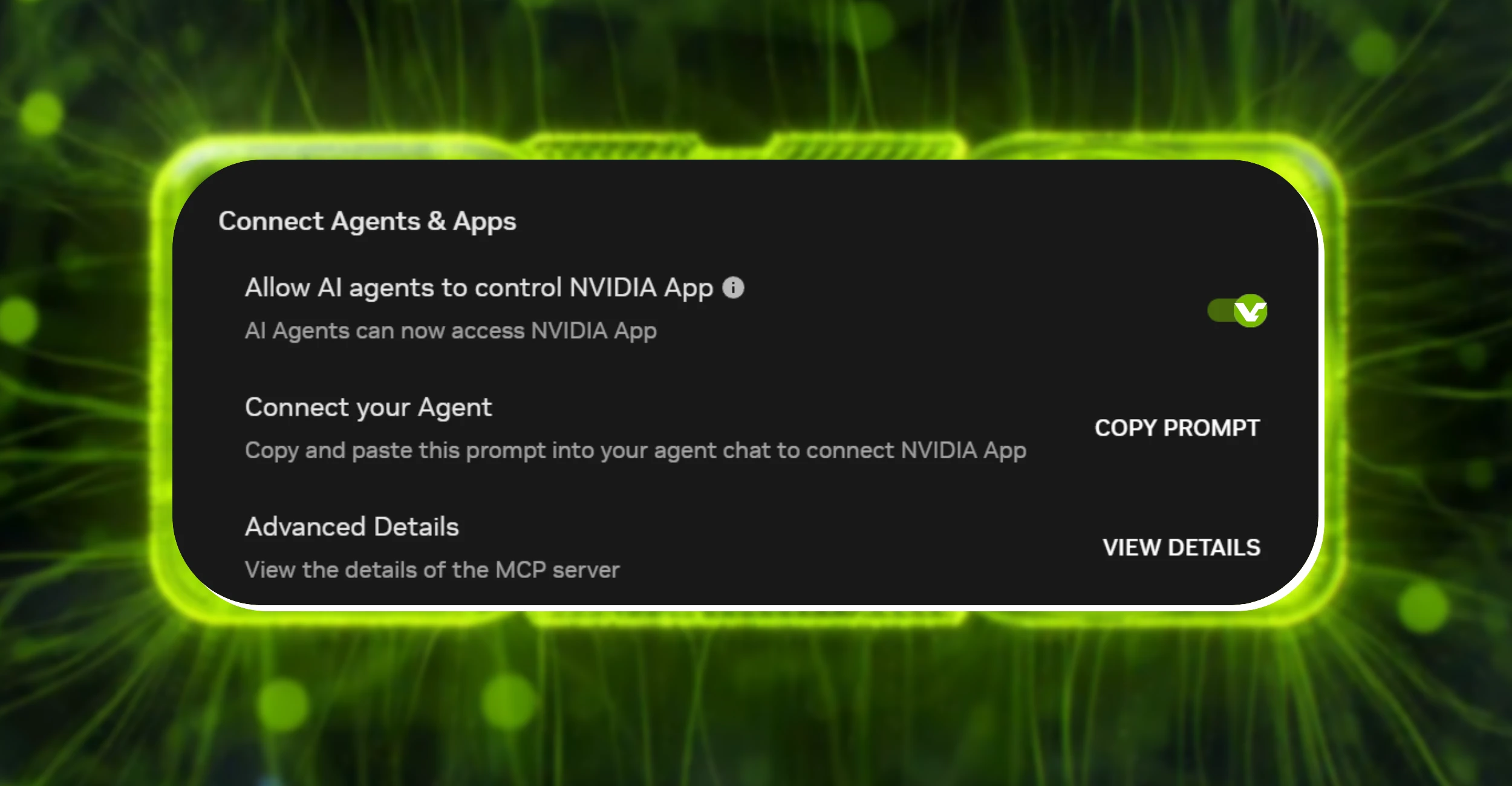
The council says to review the permissions an AI tool requests and not to grant unnecessary access to the camera or other device features, especially for unfamiliar tools.
What should you never upload to an AI tool?
Banking and financial information, personal identification documents such as passports, Emirates IDs and driving licences, and medical records.