For years, the trade-off for high-performance computing has been noise. Whether you’re rendering 3D models or gaming, a powerful laptop eventually sounds like a jet engine taking off from DXB. A breakthrough technology showcased at Computex 2026 suggests the era of whirring fans is finally ending.
Key Takeaways
- Ventiva’s ionic cooling uses plasma fields to move air without fans, producing zero noise or vibration.
- The technology frees up 40-45% of motherboard space for larger batteries up to 90Wh capacity.
- Asus partnership confirmed with laptops expected to ship within 18 months, reaching UAE by late 2027.
- Total laptop cost may not increase despite expensive modules due to simplified motherboard design.
- Technology particularly benefits UAE users with better dust resistance and extended battery life.
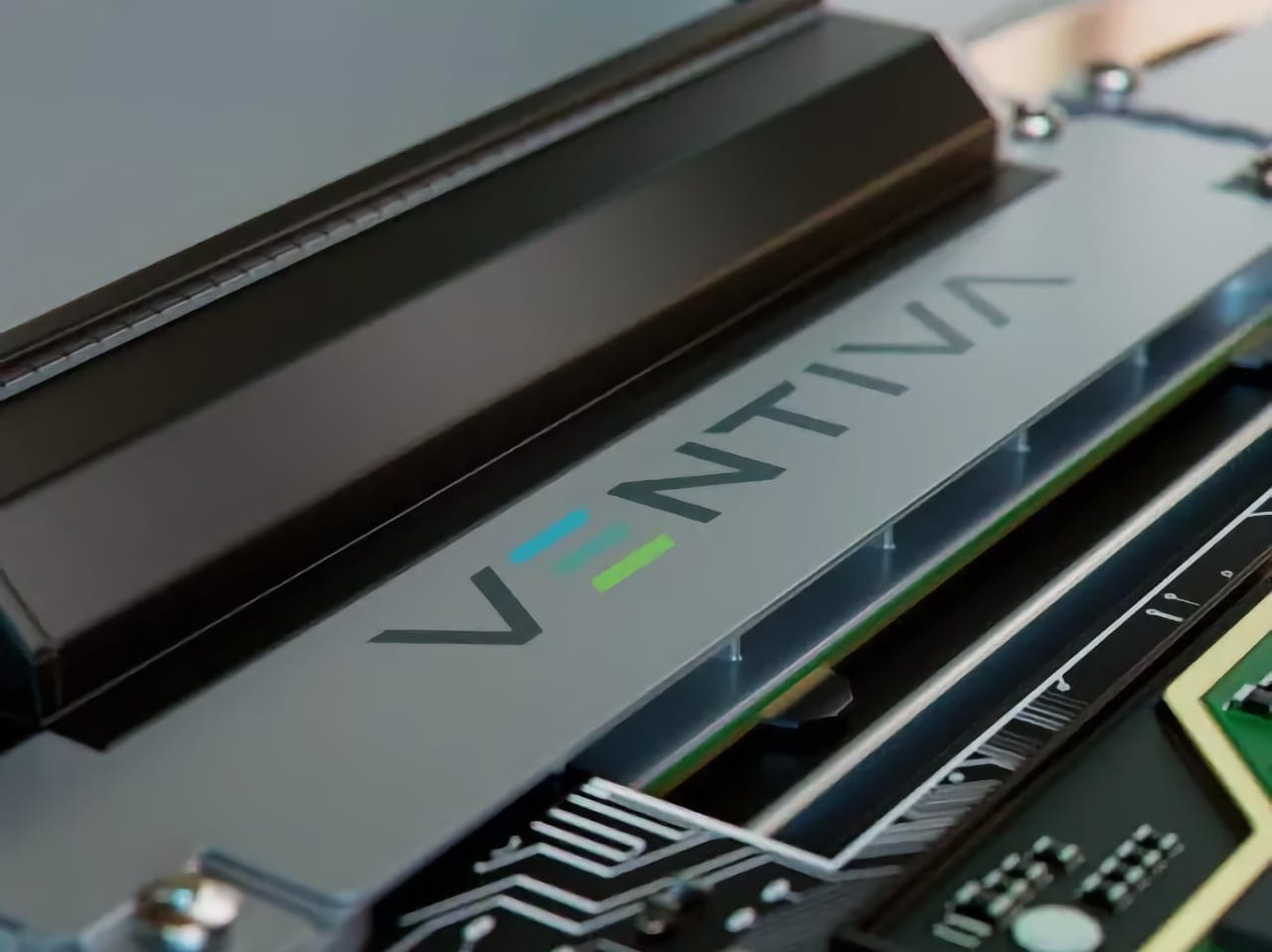
Ventiva has demonstrated solid-state cooling that uses plasma fields instead of spinning blades to move air. This isn’t just a minor upgrade — it’s a fundamental re-architecture that could see truly silent, high-performance AI PCs that could arrive in UAE stores within 18 months.
How ionic cooling actually works
The technology is called electrohydrodynamics (EHD). Unlike traditional fans that spin an impeller with a motor, Ventiva’s modules use a thin, charged wire to create a plasma field. This field strips ions from the air, which are then pulled toward a negative collector. As ions move, they collide with neutral air molecules, dragging them along to create steady, silent airflow.
Because there are no moving parts, there’s zero vibration and zero noise. As reported by PCMag, Ventiva CEO Carl Schlachte notes these modules outlast the laptop itself, well beyond standard warranty periods.
Why AI PCs desperately need this
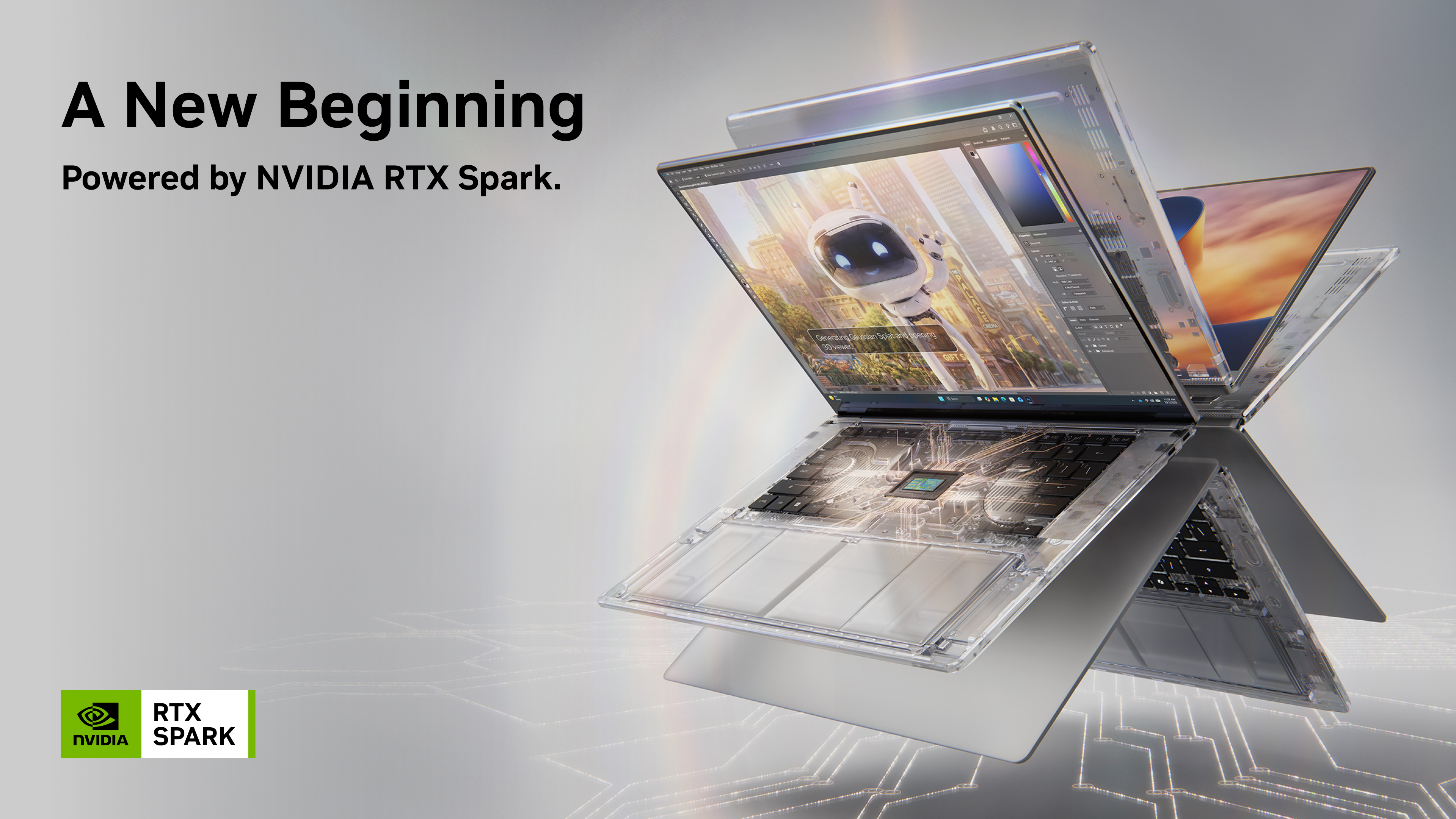
The timing is critical for upcoming AI PCs powered by chips like Nvidia’s RTX Spark and AMD’s Strix Halo. These processors require massive memory bandwidth, meaning RAM must sit extremely close to the CPU. In traditional laptops, that prime real estate is blocked by bulky fan assemblies.
Conventional dual fans occupy 40-45% of motherboard space — about 8,000 square millimetres of expensive territory. By removing fans, manufacturers can move memory closer to processors and straighten data traces. This doesn’t just improve performance; it also lowers motherboard costs by reducing the layer count and eliminating $3 signal repeaters.
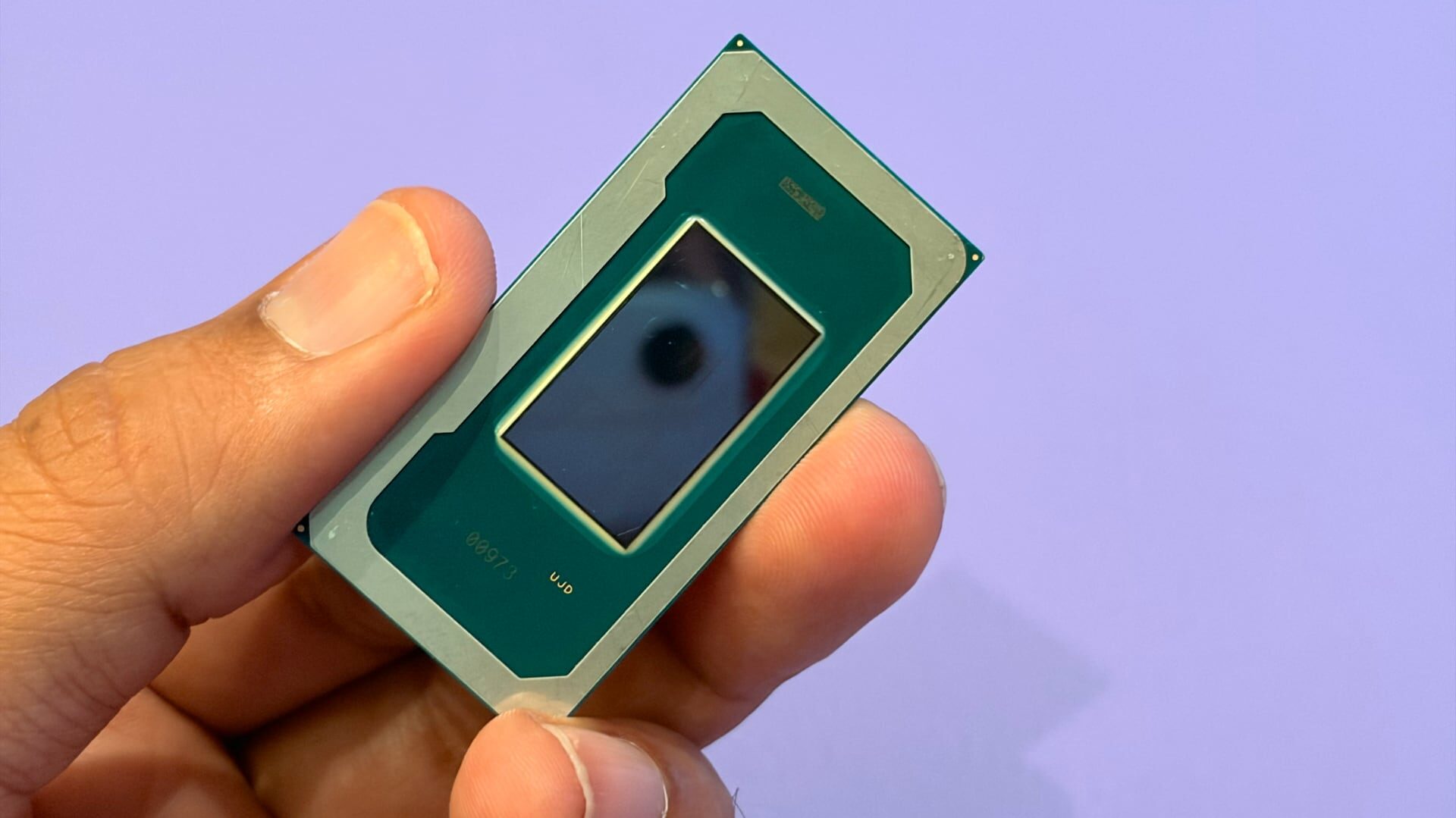
For context, Intel’s Panther Lake chips arriving this year already push memory bandwidth requirements to the point where they strain traditional cooling layouts.
The UAE advantage: bigger batteries, less dust
For buyers in the UAE, benefits go beyond silence. By reclaiming fan space, manufacturers can fit significantly larger batteries. Standard 14-inch laptops could jump from 65Wh to massive 90Wh units without increasing thickness. In a region where you’re constantly moving between air-conditioned offices and outdoor commutes, that extra four to five hours of endurance matters.
Traditional fans act as vacuum cleaners for fine dust and sand common in the Gulf. Solid-state systems with directed airflow are far less likely to suffer the clogging that eventually kills gaming laptop performance in this region.
When you can actually buy one
Ventiva announced a strategic partnership with Asus at Computex, demonstrating the tech in everything from a 45W Asus NUC Pro 16 to AMD Ryzen laptop prototypes. Schlachte expects laptops featuring ionic cooling to ship within 18 months, putting realistic UAE availability in late 2027 or early 2028.
While modules cost more than a standard AED 11 fan, the total cost of the laptop shouldn’t skyrocket. The simplified motherboard design keeps the overall bill of materials competitive. Expect debuts in premium Pro and Studio tiers, likely starting around AED 7,500-9,000.
Should you wait for a fanless AI laptop?
Buy a current laptop if: You need a machine today for heavy workloads or gaming. Current high-end fans are better than they used to be, and 18 months is a long time in the tech cycle.
Wait for Ventiva tech if: You’re a silence enthusiast, a frequent traveller who prioritises battery life, or tired of cleaning dust from laptop vents every six months. The technology particularly suits the AI PC workloads arriving with next-gen Windows updates.