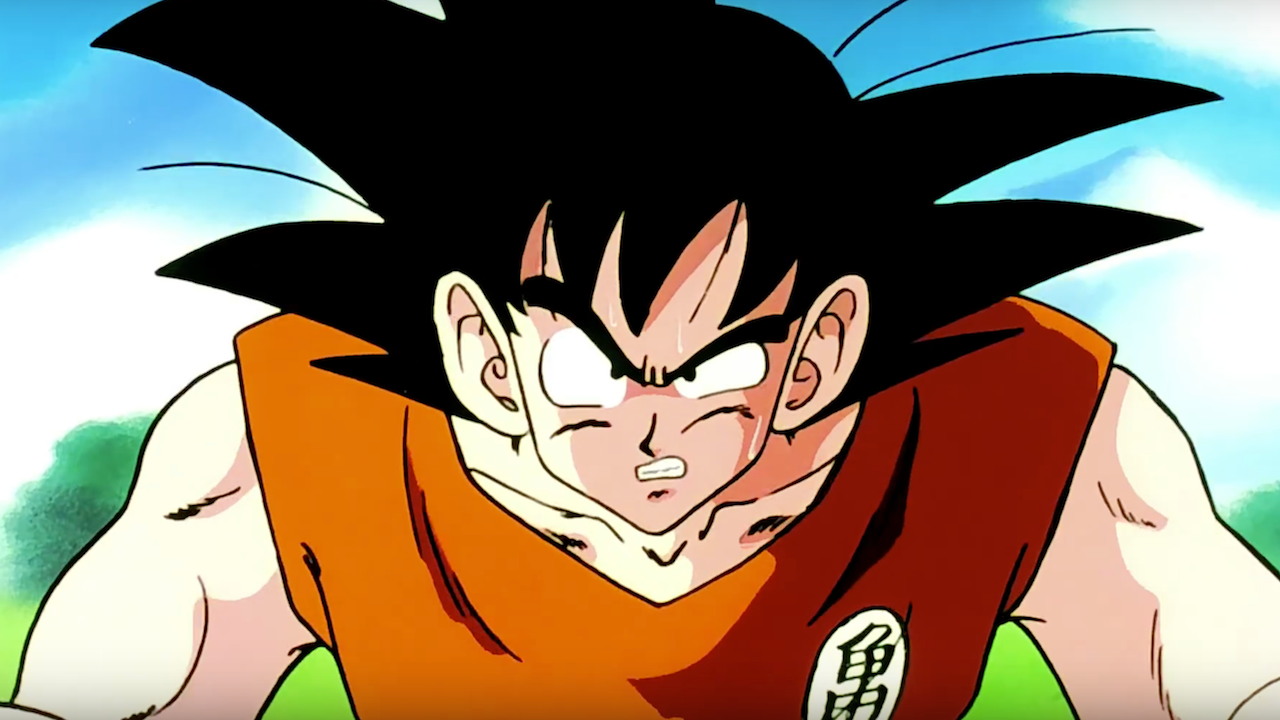
Masako Nozawa, the voice of Goku in the Dragon Ball anime for four decades, says AI-generated videos that use her voice without permission amount to theft. In comments reported by NHK on October 15, IGN reports, the 89-year-old watched an AI clip imitating her and said she couldn’t forgive its makers. Her reaction landed the same day the Japan Actors Union, where she serves as vice-chairperson, unveiled its first guidelines on AI voice use.
Nozawa’s objection is as much about craft as consent. “It’s like theft, and it makes me furious,” she said, adding that the AI voice may sound similar or even identical but “lacks heart”. She isn’t hostile to the technology itself: she described AI’s progress as exciting and said she hopes humans and AI can “have fun together”, provided everyone follows the rules.
What the union’s guidelines ask for
The guidelines cover about 2,600 actors and voice actors, and ask for written consent at three separate stages: training on a voice, building an AI model of it, and using the output in a project. Anime Mojo reports that they also prohibit buyout contracts, and that consent generally lasts a year. SBS News, citing Kyodo News, reported that in principle they also prohibit using the voices of deceased people in new works. Yahoo’s report adds that the union also states AI should not replace human performers in film or television dubbing.
The rules are voluntary. They are industry standards rather than law, and Japan doesn’t yet have comprehensive statutory protections for voice use in AI. Union vice-chairman Michihiro Ikemizu told the press that the biggest problem is job losses, and that the union wants to build a track record with the guidelines and eventually push for legislation.
A court ruling with a catch
The legal backdrop is mixed. On September 30, the Tokyo District Court issued what is believed to be Japan’s first ruling of its kind, in a case voice actor Kenjiro Tsuda brought against TikTok’s operator over videos he says used an AI copy of his voice. Music Business Worldwide reports that the court found, as a general proposition, that a voice falls under publicity rights where a use exists solely to exploit its commercial appeal, and that presiding judge Aya Takahashi likened a voice to a likeness as a symbol of personality. But the court dismissed Tsuda’s claim because the poster had already deleted the videos, so there was nothing left for TikTok to remove.
Nozawa said of the ruling that rules are now being established and she hopes everyone follows them. Fellow voice actor Toshi Shimada, known as Tomozo in Chibi Maruko-chan, went further, telling the press he fears the industry could collapse if unauthorised AI voices keep being uploaded.
Part of a wider fight over AI and likeness
The anime industry has already seen how fans react when AI creeps into dubbing. In 2025 Prime Video added an AI-generated English dub to Banana Fish, and IGN notes the backlash was strong enough that the streamer removed it. Questions over consent and identity aren’t limited to voices, either: we covered an actress’s lawsuit against James Cameron over the unauthorised use of her likeness.
Dragon Ball’s voice community has also been in our coverage recently for sadder reasons, after the death of voice actor Mike McFarland. Nozawa’s own advice to fans who admire the craft was simple: work hard to become a voice actor, and put your heart into the lines.
Is AI voice cloning now illegal in Japan?
Not outright. No Japanese statute explicitly covers a person’s voice. The September 30 Tokyo ruling found that voices can be protected under publicity rights, but it dismissed Tsuda’s takedown claim, and the union’s guidelines are voluntary.
What do the Japan Actors Union’s guidelines require?
Reported details include written consent at three stages (training, model building and use of the output), a ban on buyout contracts, consent that generally lasts a year, and a general bar on using deceased performers’ voices in new works. They apply to the union’s roughly 2,600 members and depend on companies choosing to follow them.
What should fans do when they see AI clips of a voice actor?
We recommend not sharing or monetising clips that imitate a real performer’s voice without their consent, which is Nozawa’s core request. If a platform offers a report option for impersonation, use it.