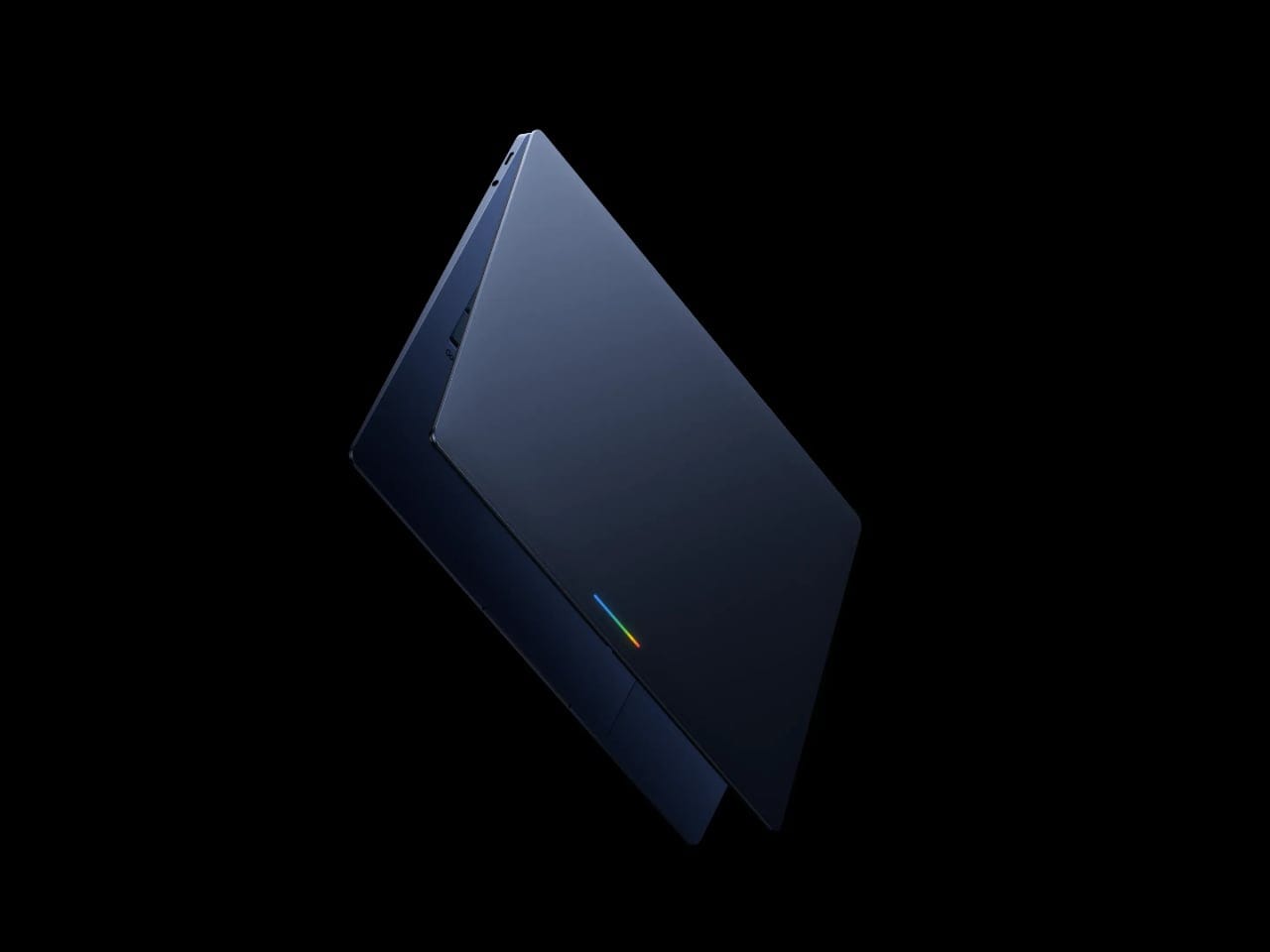
Google announced Googlebooks at Android Show 2026 — a new laptop platform designed to succeed Chromebooks with enhanced capabilities. As reported by The Verge, the announcement marks Google’s most significant evolution in laptop computing since Chromebooks launched, though hardware details and UAE availability remain unconfirmed for the fall 2026 launch window.
Key Takeaways
- Google announced Googlebooks at Android Show 2026 as the successor to Chromebooks.
- The new laptops will run a fusion of Android and ChromeOS, codenamed Aluminium OS.
- Hardware is expected to launch in fall 2026 with deep Gemini AI integration.
- Googlebooks will directly access Android phone files and run mobile apps natively.
- No UAE pricing or availability details have been announced yet.
What makes Googlebook different from Chromebooks?
Googlebook represents a fundamental shift from Google’s previous laptop strategy. According to Google’s announcement, the new platform runs on Android’s technology stack rather than the Linux foundation that powers current Chromebooks. This enables native Android app execution and direct file access from connected Android phones — something current Chromebooks handle via compatibility layers.
The operating system itself, currently codenamed Aluminium OS, merges Android and ChromeOS into what Google describes as “something more capable.” Peter Du from Google’s global communications team confirmed to The Verge that “Aluminium” is only the internal codename, with official branding to be revealed later this year.
In practice, this means users will get Chrome for web browsing, full Android app support, and the ability to run phone apps directly without switching devices. It’s Google’s attempt to create a unified computing experience across mobile and laptop form factors.
What is Gemini Intelligence integration?
According to Google’s announcement, Gemini Intelligence will be “baked into just about everything” on Googlebooks, extending down to cursor functionality. The standout feature is Magic Pointer — shake your cursor and point it at any screen element for contextual AI suggestions.
This represents a deeper AI integration than what’s currently available on Chromebooks or traditional laptops. Rather than Gemini existing as a separate app or service, it becomes part of the core operating system experience. The technology builds on Google’s previous AI initiatives, including the personal AI features announced across Android devices.
For context, Magic Pointer could suggest relevant actions based on what you’re viewing — whether that’s summarising a document, suggesting edits, or providing contextual information about on-screen content. It’s Google’s bid to make AI assistance contextual rather than reactive.
When will Googlebooks be available?
Google confirmed hardware will launch in “the fall” of 2026, though no specific dates or regional availability details were provided. This timeline puts Googlebooks roughly six months away, assuming a September-November launch window typical for Google’s major hardware releases.
The announcement was deliberately light on specifics. Google focused on the platform concept rather than hardware details, pricing, or regional rollout plans. This suggests the company is still finalising partnerships with manufacturers and distribution strategies.
For UAE buyers, this lack of regional detail is particularly notable. Google hasn’t announced whether Googlebooks will launch simultaneously globally or follow a staged rollout. Given Google’s mixed track record with hardware availability in the Middle East, UAE consumers may face additional delays beyond the fall 2026 timeframe.
How does this affect current Chromebook owners?
Current Chromebook users face an uncertain transition period. Google hasn’t detailed whether existing ChromeOS devices will receive Aluminium OS updates or if this represents a clean break from the current platform. Previous reporting suggested that existing Chromebooks won’t support the new operating system due to fundamental architectural differences.
This mirrors Google’s historical approach to platform transitions — the company tends to move forward rather than maintain legacy compatibility. For reference, when Google transitioned from Chrome Apps to Progressive Web Apps, older systems were eventually deprecated rather than upgraded.
The practical implication is that current Chromebook owners in the UAE may need to consider their upgrade timeline. With Googlebooks representing a new platform rather than an incremental update, existing devices may have a limited support lifespan once the new system launches.
What this means for the UAE laptop market
Googlebooks could reshape the UAE’s laptop landscape, particularly in the education and enterprise segments where Chromebooks have gained traction. The enhanced Android integration addresses a key limitation of current Chromebooks — limited app ecosystem compared to Windows or macOS.
However, success in the UAE market depends heavily on pricing and local retailer support. Google’s previous hardware launches in the region have been inconsistent, with some products arriving months after global availability or through limited channels.
The timing also puts Googlebooks in direct competition with established laptop categories. If Google prices Googlebooks competitively with budget Windows laptops, it could capture market share from traditional manufacturers. But premium pricing would limit appeal in a price-sensitive market like the UAE.
Googlebook pricing and availability
Google has not announced pricing for Googlebooks, nor confirmed UAE availability details. The company stated that more information about hardware partners, pricing, and regional rollout will be shared “later this year” — likely closer to the fall 2026 launch window.
For context, current Chromebooks in the UAE typically range from Dhs 1,000 for basic models to Dhs 3,000 for premium versions. Googlebooks’ positioning as “more capable” than Chromebooks suggests pricing could trend towards the higher end of this range, particularly given the AI integration and enhanced hardware requirements.
UAE consumers interested in Googlebooks should expect official announcements in the second half of 2026, with potential pre-orders opening shortly before the fall launch date. Local retailers and pricing will depend on Google’s regional partnerships, which remain unconfirmed.
Frequently Asked Questions
What is Googlebook?
Googlebook is Google’s new laptop platform designed to succeed Chromebooks. It runs Aluminium OS (codename), which merges Android and ChromeOS technologies with deep Gemini AI integration and enhanced Android app support.
When will Googlebooks be available?
Google confirmed Googlebooks will launch in fall 2026. No specific dates or UAE availability details have been announced, with more information expected later in the year.
What operating system do Googlebooks use?
Googlebooks run a new operating system currently codenamed Aluminium OS, based on Android’s technology stack. Google will announce the official name later this year.
How much will Googlebooks cost in UAE?
Google hasn’t announced pricing for Googlebooks. Given the enhanced capabilities over current Chromebooks, expect pricing above the typical Dhs 1,000-3,000 Chromebook range in UAE.
Will existing Chromebooks get the new operating system?
Google hasn’t confirmed compatibility between current Chromebooks and Aluminium OS. Previous reports suggest existing devices won’t support the new platform due to architectural differences.