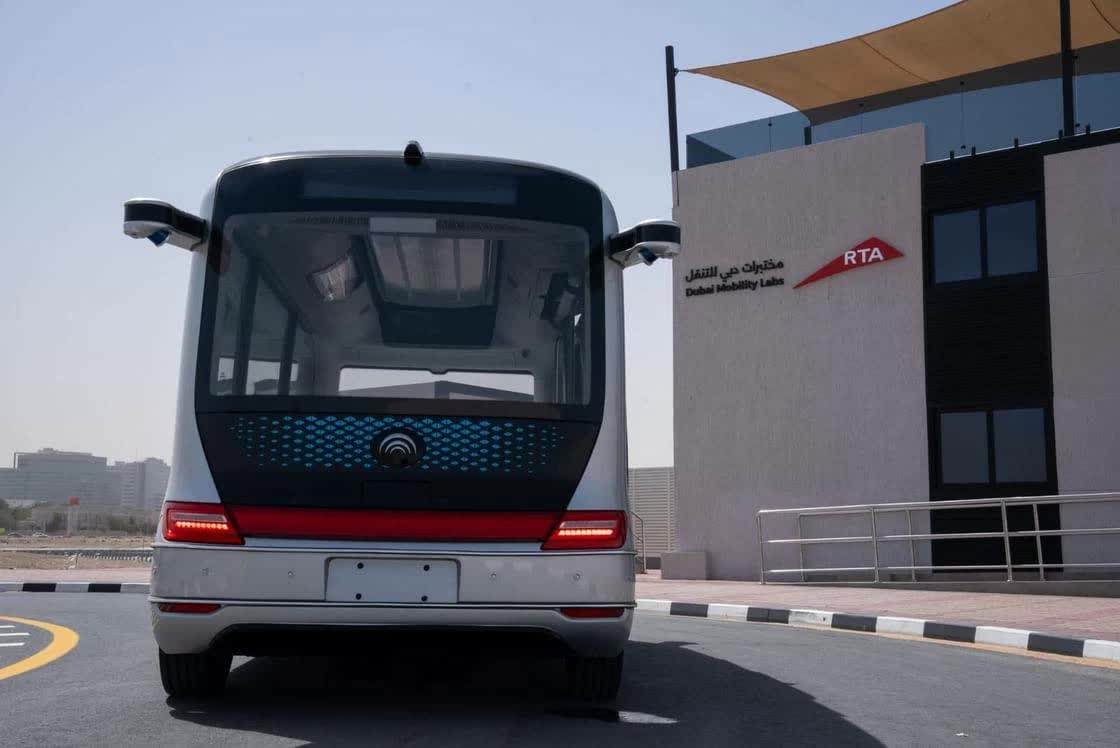
Dubai Mobility Labs has opened at Dubai Silicon Oasis, giving autonomous-vehicle developers 248 testing scenarios across controlled tracks and public roads towards Al Qudra, Gulf News reports. The facility was inaugurated by Dubai’s Roads and Transport Authority (RTA) and the Dubai Integrated Economic Zones Authority (DIEZ).
The site combines a dedicated test area with trials on public roads, rather than keeping every assessment inside a closed track. The National says vehicles will be tested for how they sense and respond to traffic and changing road conditions before progressing towards wider deployment.

Dubai Mobility Labs: what the 248 scenarios cover
The multipurpose test area can recreate 195 situations. Gulf News reports that 143 were in the original design and 52 were added later; with public-road testing, the overall programme covers 248 scenarios. Routes extend from Dubai Silicon Oasis towards Al Qudra. The facility also includes workshops, offices and three 60kW electric-vehicle chargers, according to Gulf News.
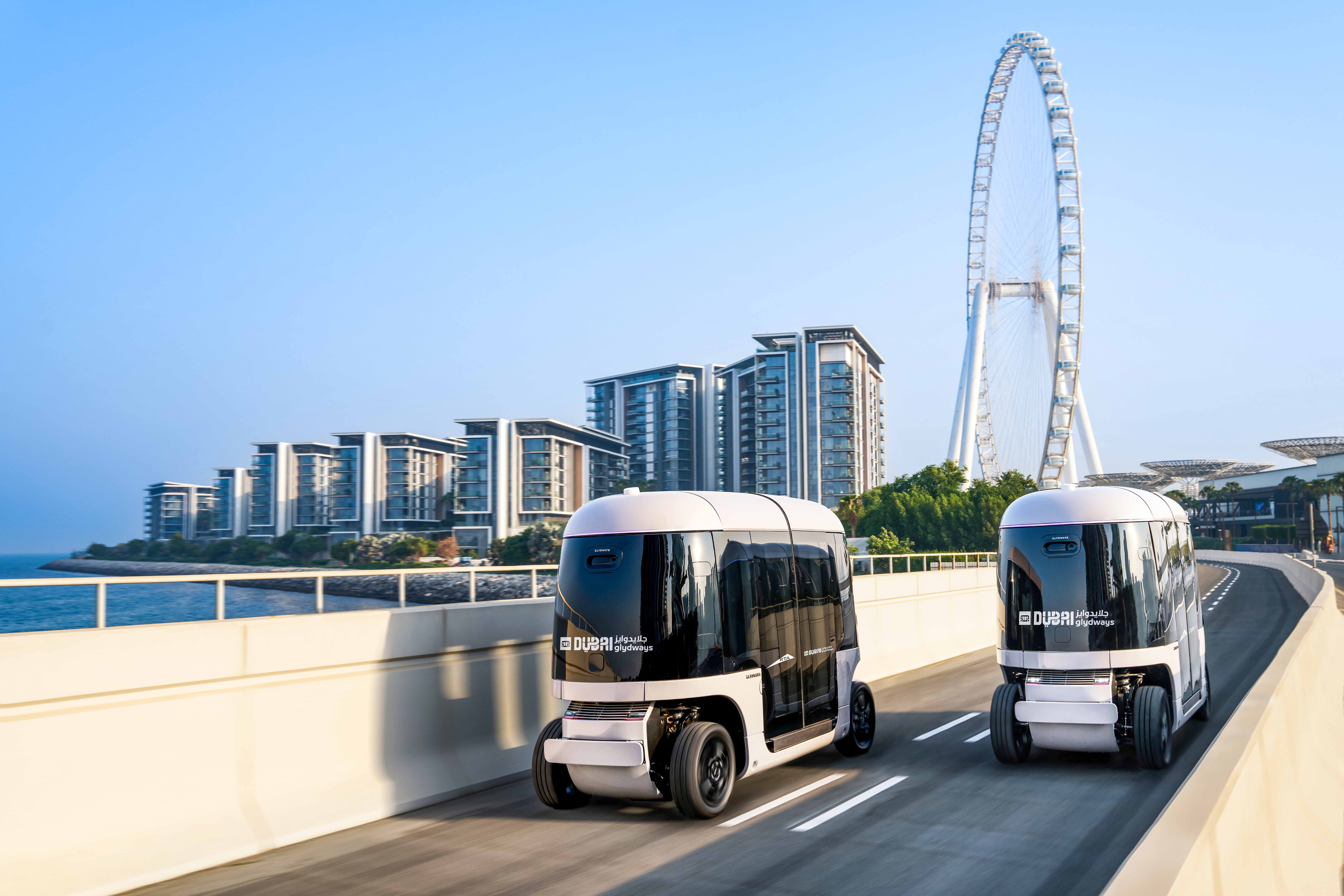
The scenarios assess sensing, decision-making and responses to unexpected conditions. RTA has already hosted trials involving WeRide, Pony.ai and Tesla, while German testing company DEKRA will operate the facility for its first three years, The National reports.
Dubai Mobility Labs adds testing capacity, not a taxi launch
Dubai’s Smart Self-Driving Transport Strategy aims for 25 per cent of all mobility journeys to be autonomous by 2030. The testing facility supports that target, but its opening is not an announcement that driverless vehicles have blanket approval to operate across the emirate. Khaleej Times reports that the labs are intended to help companies test, validate and certify mobility technologies.
Passenger services are a separate track: Uber and Baidu’s Apollo Go robotaxis already operate in selected areas of Dubai, while Uber and WeRide run fully driverless rides on Yas Island. Dubai Mobility Labs adds a place to assess more systems before they move further along that path; the announcement gives no date for a wider commercial rollout.
Does Dubai’s 25 per cent autonomous target refer to vehicles?
No. Dubai’s target is for 25 per cent of all mobility journeys to be autonomous by 2030; it is not a stated share of the vehicle fleet.
Does opening Dubai Mobility Labs approve driverless cars across Dubai?
No blanket road approval was announced. The reports describe a test-and-validation facility, while current robotaxi services operate in specific areas.
Is Dubai Mobility Labs itself a robotaxi service?
No. It is testing infrastructure for autonomous vehicles and mobility technology, not a passenger service. The announcement gives no date for a broader commercial rollout.