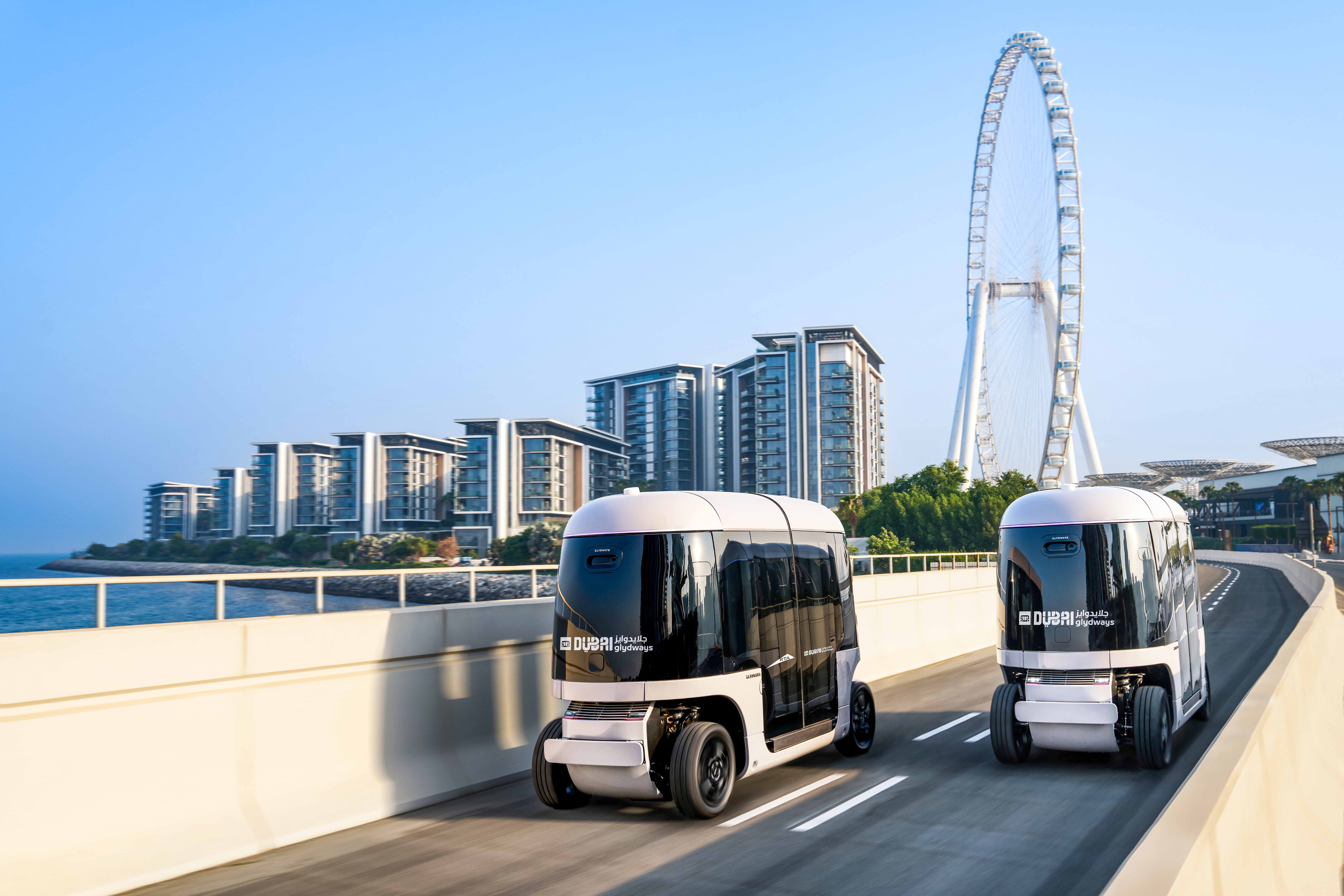
Dubai has begun a four-week trial of driverless electric pods at Bluewaters, testing a transport system that could eventually connect Metro stations with nearby homes, offices, and attractions. The Roads and Transport Authority (RTA) launched the Glydways pilot on 11 October, with vehicles carrying four to six passengers on dedicated guideways rather than sharing roads with cars.
According to an official announcement from the Dubai Media Office, the trial will assess safety, reliability, journey times, and passenger experience before the RTA considers expansion. This is a test programme, not the launch of a citywide passenger service.
Small pods, separate tracks
Glydways offers direct, on-demand journeys between departure and arrival points. Its narrow guideways separate the pods from general traffic, using lightweight structures that can sit at ground level or above it. That makes this a different proposition from a driverless taxi travelling on ordinary roads.
RTA lists a top speed of up to 50km/h and a battery range of up to 250km per charge. Each vehicle uses 20 high-resolution LiDAR sensors, along with radar, high-definition cameras, and autonomous driving systems. Passengers can personalise the climate control and entertainment.
The system supports a round-the-clock service model, although that describes its intended operation rather than a confirmed public timetable for the Bluewaters trial. Gulf News reports that RTA director general and chairman Mattar Al Tayer took a five-minute journey during the launch. That demonstration duration is not a published end-to-end journey time for a future Metro connection.
The pilot adds another field test to Dubai’s autonomous transport work, following the opening of RTA’s Dubai Mobility Labs at Silicon Oasis.
Metro connections are still proposals
RTA is studying a 2.8km link between National Paints Metro Station and Bluewaters. Other proposed routes would serve Jumeirah Village Circle, Dubai Festival City, Business Bay, and Mohammed Bin Rashid City. None of these connections has been announced as an operating service in the trial statement.

The goal is to address first- and last-mile journeys: the stretch between a public transport station and the place a passenger actually wants to reach. A dedicated pod connection could extend the Metro’s reach without requiring travellers to complete that stretch by car or taxi. The trial must establish whether this system can do that reliably in Dubai.
Dubai Holding is supporting the Bluewaters test through a partnership covering infrastructure and operational requirements. The destination sits within the group’s wider leisure portfolio, which also has plans for a new park and a Global Village roller coaster.
Capacity claims need trial results
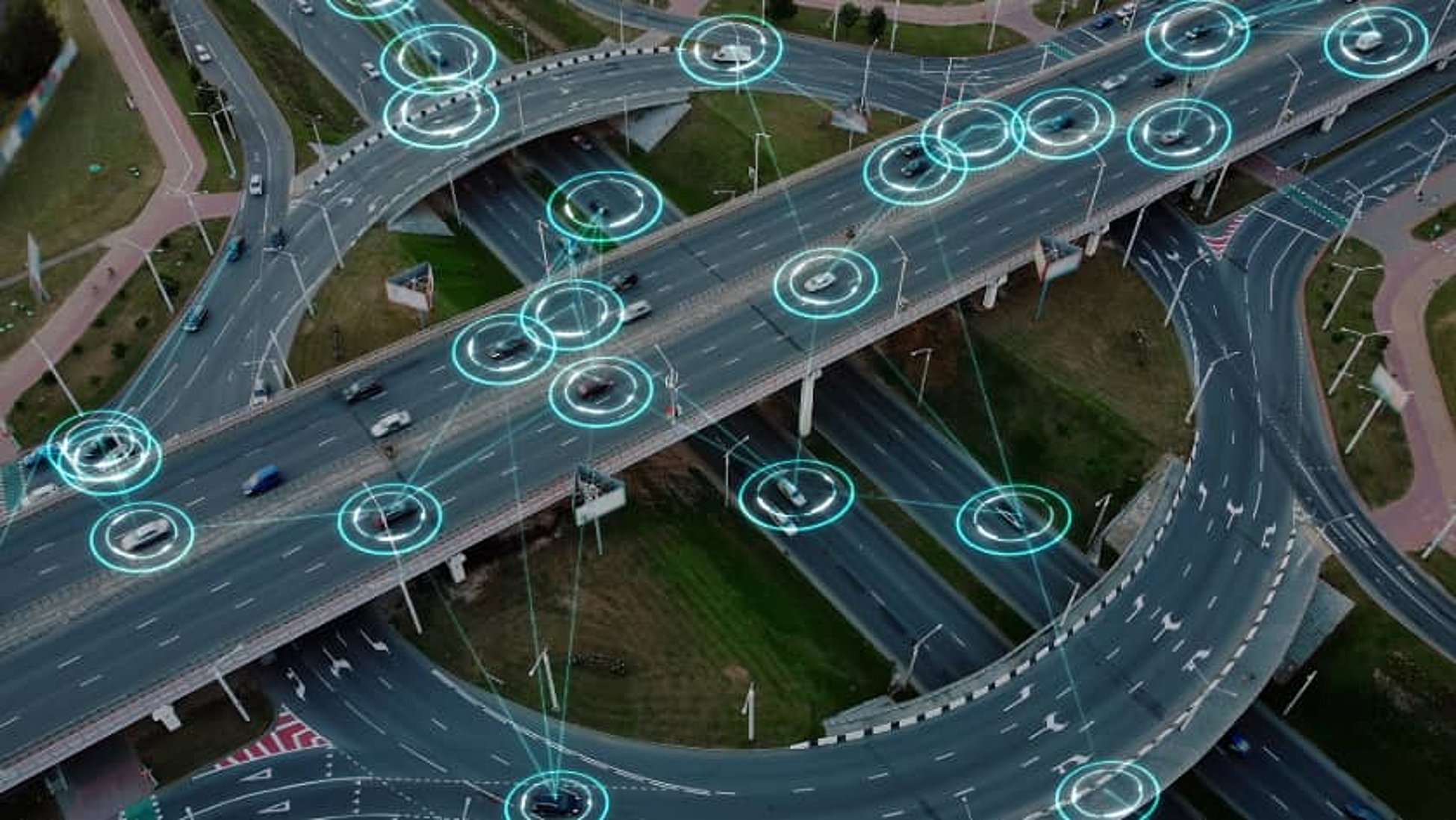
RTA says the system can virtually link more than 10 vehicles with gaps of less than one second, and puts network capacity at more than 20,000 passengers per hour in both directions.
The authority also claims capital costs could be up to 90% lower and operating costs up to 70% lower than comparable transport modes. The announcement does not identify a specific comparison system or publish a detailed cost breakdown, so those percentages do not establish the cost of a Dubai rollout.
For now, the practical next step is four weeks of testing. RTA will check the vehicles, sensing equipment, communications, and control systems, as well as ease of use and movement along the route. The resulting data will inform decisions about future expansion.
Can the public book a ride during the Bluewaters trial?
The announcement does not include instructions for public booking, fares, or passenger access arrangements. It confirms the trial location and duration, but not a bookable service for residents or visitors.