Abu Dhabi is testing a road-monitoring vehicle that uses AI to spot accidents, fallen trees and broken traffic lights while driving around the emirate. Gulf News reports that the vehicle is part of a project called V City, developed by the UAE AI Alliance for government entities.
According to Gulf News, the vehicle travels through different areas of Abu Dhabi to detect, identify and locate anything that could disrupt traffic or road safety. Mohamed Al Amiri, an AI engineer at the company, said it can flag fallen trees blocking roads, unreported accidents, malfunctioning signals and obstacles in lanes. The information goes to the relevant authorities so they can locate it and respond.
The report doesn’t say which government bodies use the vehicle, how many are on the road, or how accurate the detection is. It also doesn’t give a rollout timeline, so treat this as an early look rather than a citywide deployment.
Why a moving sensor helps
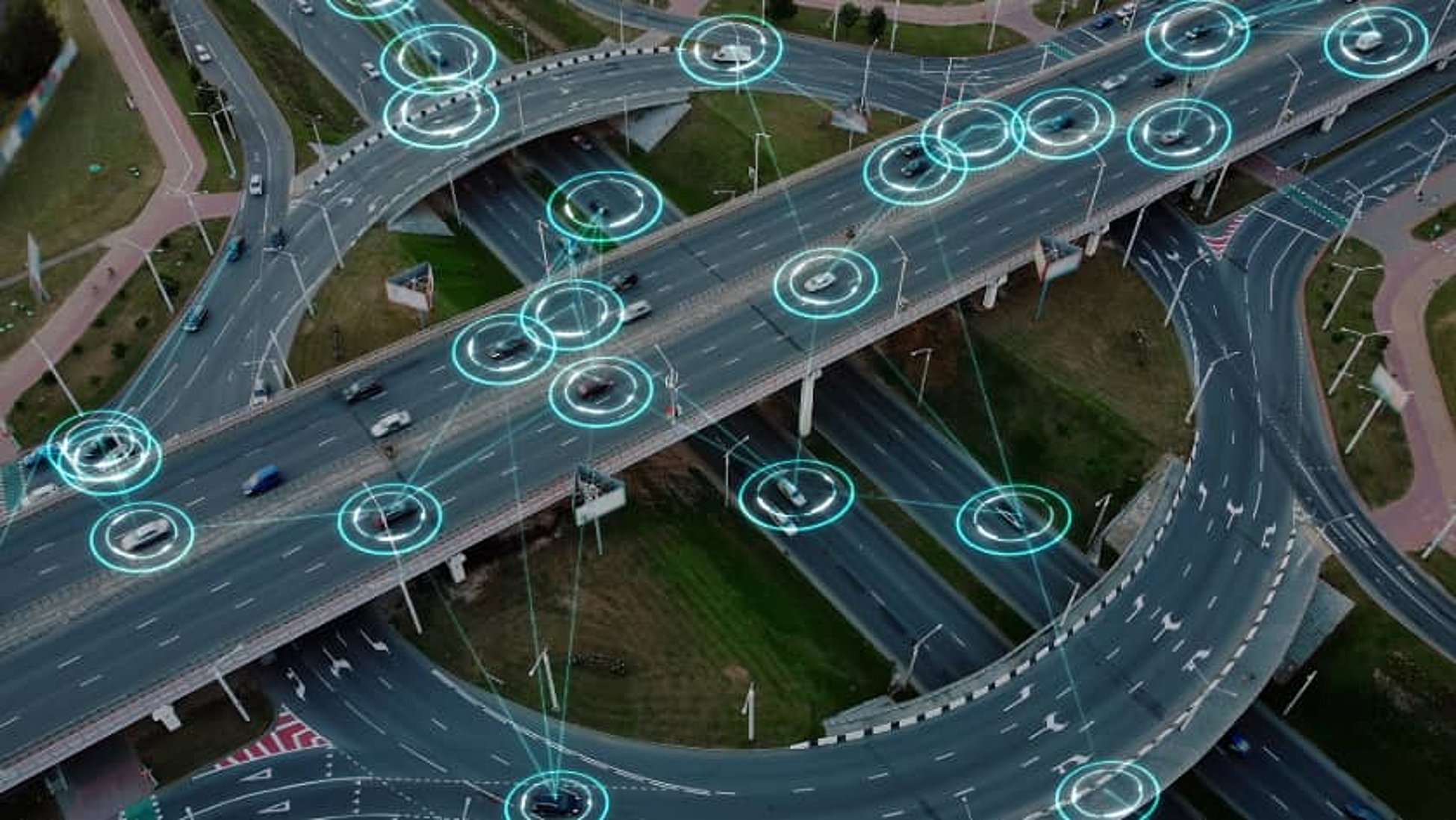
Road problems in Abu Dhabi usually surface through a driver’s report, a patrol or a fixed camera. A vehicle that drives the network adds coverage in places no camera watches. That matters for the small incidents: a signal that has stopped working, debris in a lane, or a minor collision nobody has reported yet. The longer an obstruction sits on a busy road, the more likely it is to cause slowdowns, sudden lane changes and secondary crashes.
Gulf News frames V City as a mobile extension of the emirate’s existing traffic network. At the Abu Dhabi Infrastructure Summit 2026, the Integrated Transport Centre unveiled a Central Traffic Management Platform that uses AI to monitor accidents, congestion and events in real time. It connects to more than 1,500 surveillance cameras, 253 vehicle sensors and 922 traffic signals, and analyses data from more than 30 sources to trigger response plans. Information reaches drivers through 122 electronic message boards.


The road safety numbers behind it
The Integrated Transport Centre puts the economic cost of road accidents in Abu Dhabi at about Dh5.26 billion in 2025. The fatality rate fell to 3.11 deaths per 100,000 people, from 3.41 in 2024. Between 2021 and 2025, fatalities dropped 33 per cent and serious injuries 18 per cent. The emirate aims to cut road deaths by 50 per cent by 2030 and reach zero fatalities by 2040.
This isn’t Abu Dhabi’s first AI inspection fleet. In 2023, Khaleej Times reported that the municipality was deploying AI-powered inspection vehicles with six cameras each to check road conditions and street lights. Gulf News later reported that the fleet had grown to 27 units. Those vehicles focus on upkeep and appearance of public spaces, while V City targets live traffic hazards.
The push fits a wider government AI drive in the emirate, including the Tamm 5.0 app due in December.
What can the V City vehicle detect?
According to the AI engineer quoted by Gulf News, it can detect fallen trees, unreported traffic accidents, faulty traffic signals and obstacles that could disrupt traffic.
Who built it?
The UAE AI Alliance developed and implemented it for government entities, Gulf News reports.
Does it replace traffic cameras and patrols?
Nothing in the report says so. It’s described as an extra layer that extends the existing sensing network.