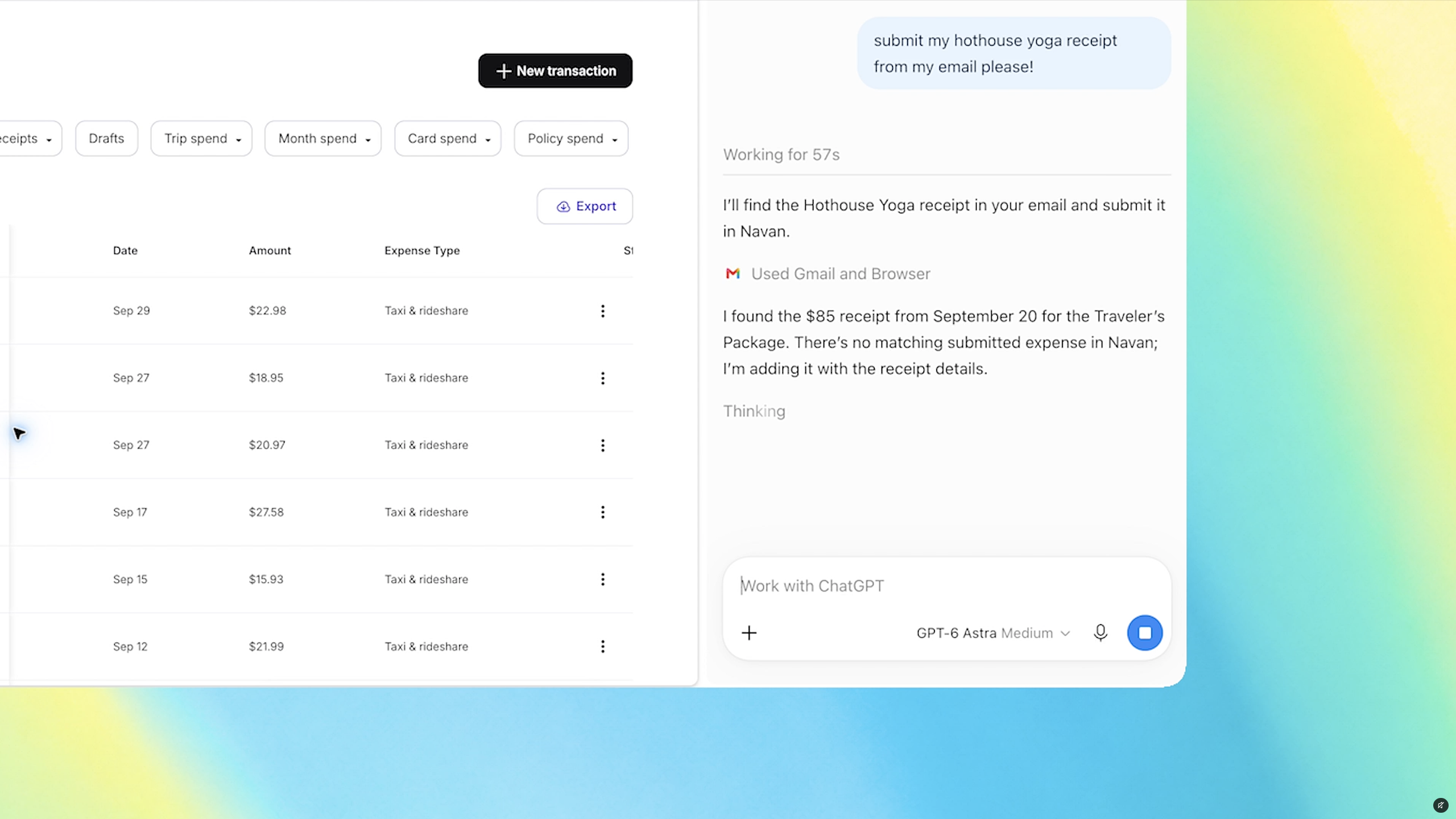
Ando has launched an agent-native messaging platform that puts AI workers in the same channels, direct messages and calls as human colleagues. The startup says it is building a replacement for Slack for teams that want software agents to participate in work rather than sit behind integrations.

Ando agent-native messaging gives AI workers their own identities
Ando agent-native messaging treats agents as workspace members with their own identities, inboxes and permissions. They can join channels, browse conversations, work in group chats and take part in live calls that are transcribed for later use. The company says agents can also enter conversations without waiting to be tagged, although access to private messages still depends on being given the relevant context.
The approach is meant to remove what founder and CEO Sara Du calls “meat proxies”: people relaying an agent’s work between software and the rest of a team. Ando’s pitch is that an agent should be able to understand why a decision was made, ask a colleague a question and bring in a human when judgement is needed.
The platform is agent-agnostic. Ando says teams can connect agents built with Codex, Claude, Grokbot, Devin and other tools, while the company also offers its own hosted harness. Its official launch post says the product is aimed initially at teams of two to 40 humans, with larger teams expected to be onboarded towards the end of 2026.
Ando raises $20 million to challenge Slack
Ando emerged from stealth on 24 September 2026 with $20 million in funding from Accel, Index Ventures and Emergence Capital. The company says it is already working with customers in software, real estate and finance across 15 countries, although many of those teams are small.
The launch puts Ando into a busy category. Slack has been turning Slackbot into an AI agent, while Microsoft is integrating Copilot into Teams. Jack Dorsey’s Buzz is another newer workplace chat product aimed at bringing people and agents together, though it is more focused on developers.
Ando’s official announcement says pricing is currently based on human seats rather than agent activity. That avoids charging teams for every agent message or action, but the larger question is whether a new messaging service can persuade companies to move conversations away from established workplace platforms. For UAE businesses experimenting with AI workflows, the appeal will depend as much on permissions, data residency and integrations as on the novelty of giving an agent a profile picture.
The Ando launch announcement explains the company’s product and early access plans, while TechCrunch’s report details the funding and the startup’s customer base. Ando’s documentation sets out how workspaces, permissions and connected agents operate. For wider context, Slackforce Surfaces shows how incumbents are also adding AI-built tools inside workplace conversations. Teams weighing local AI hardware can also read our Mac Studio M5 Max review.
What is Ando agent-native messaging?
It is a team messaging platform designed for human colleagues and AI agents to work together in channels, direct messages and calls.
How much funding has Ando raised?
Ando announced $20 million in funding from Accel, Index Ventures and Emergence Capital when it emerged from stealth on 24 September 2026.
Who is Ando aimed at?
Ando says it currently works best for small teams, initially supporting teams of two to 40 human members alongside their agents.