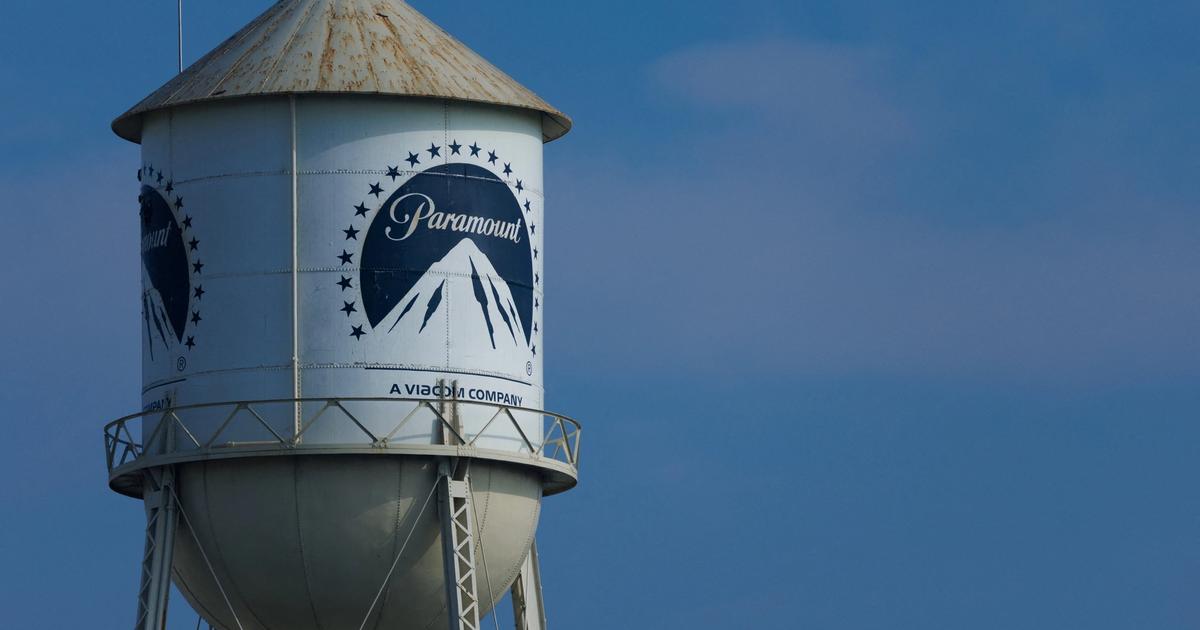
The Paramount-Warner Bros. merger is now expected to close on 6 October after a federal US judge approved Paramount’s settlement with 12 state attorneys general, lifting the court order that had barred the takeover. The $111 billion transaction includes debt; the deal has not closed yet.
Variety reported that Paramount had tentatively set 6 October, citing regulatory filings. The companies now expect to complete the deal that day, according to the Associated Press.
U.S. District Judge Araceli Martínez-Olguín approved the settlement on 30 September. Her order also dissolved the parties’ stipulation and the court’s order not to close, which had stopped Paramount from completing the acquisition while the states’ antitrust case proceeded. The court order says the settlement resolves the dispute, rather than deciding the underlying antitrust claims after a trial.

“The Court finds the proposed consent decree represents a reasonable factual and legal resolution of the dispute.”
U.S. District Judge Araceli Martínez-Olguín
Paramount Warner Bros merger clears the freeze
The ruling changes the status reported in tbreak’s earlier coverage of the possible delay until June 2027. Our report on the court-ordered pause followed the temporary restriction on closing. That order is now dissolved, so the legal hold that threatened to keep the merger waiting has been lifted.
The 12 states, led by California, had argued that combining Paramount and Warner Bros. Discovery would reduce competition in the distribution of wide-release and top-grossing films, as well as in licensing basic cable channels. Paramount and WBD denied that the transaction broke the law. The judge said objectors’ requests for tougher terms did not establish a legal reason to reject the negotiated settlement.
What the Paramount Warner Bros merger settlement requires
The settlement imposes commitments on the combined company for five years after closing. It requires at least 30 theatrical film releases each year for the first two years, rising to 32 each year for the following three. At least half of those films must be produced or co-produced by the combined company, according to the AP’s review of the terms.
Paramount must also add at least $300 million a year to its US film-production investment during that period. The consent decree requires each film counted towards the annual quota to keep a 45-day US theatrical window before it can be marketed as available for premium or subscription streaming. It also requires separate negotiations for the two companies’ basic cable channels and creates a News Editorial Independence Board for CBS News and CNN. The board is due within 180 days of closing. Colorado and Washington joined the broader settlement but did not sign off on its editorial-board terms, the AP reported.
There is no immediate order to sell either studio. However, the judge’s order says the consent decree includes divestiture of studios or cable channels as a possible backstop if the combined company fails to comply. That leaves the merger free to proceed under the settlement, but not free of enforceable conditions.
6 October is a target, not a completed deal
The court approval removes the state lawsuit as a barrier, but the transaction will only be complete once the companies formally close it. The proposed 6 October date is therefore a target, not confirmation that the merger has already taken effect. Variety describes the date as tentative, while the AP says the companies expect to close then.
The leadership transition is already taking shape. Paramount has announced that Mattel chief executive Ynon Kreiz will join David Ellison as co-CEO on 5 October, a day before the expected close. Variety reports that HBO chief Casey Bloys is poised to oversee the combined streaming operation after Paramount+ head Cindy Holland announced her departure. WBD chief executive David Zaslav is expected to leave when the deal closes, the outlet reports.
The merger would put HBO Max and Paramount+ under the same corporate owner, alongside two major film studios and networks including CNN and CBS. The court’s order does not decide whether the streaming services will be combined or remain separate, and no service change follows from the ruling itself.
What does the $111 billion deal value include?
The $111 billion figure includes debt and is not solely the cash proceeds to shareholders. AP’s report uses an $81 billion figure in its opening but later describes the total value including debt as about $111 billion; keep the debt-inclusive qualifier with the larger number.
Which films count towards the annual release commitment?
The consent decree defines a qualifying film as a feature of at least 75 minutes, produced or distributed by the combined company or a subsidiary, and intended for initial release in commercial US cinemas. See the consent decree.
What happens if the combined company misses its film quota?
The settlement calls for a $30 million contribution for each film below the annual target. The court order also identifies divestiture of studios or cable channels as a backstop for non-compliance.
Will viewers get HBO Max and Paramount+ in one app after closing?
The court approval does not require the two streaming services to combine or promise one subscription for both. The settlement addresses the antitrust case and film, cable and news commitments; product changes would need a separate company announcement.