A federal judge has ordered a temporary halt to the Paramount-Warner Bros. Discovery merger, granting a 14-day restraining order after a 12-state coalition argued the deal would violate federal antitrust law, raise prices, and shrink the supply of films and TV shows. Judge Araceli Martinez-Olguin of the US District Court for the Northern District of California issued the order on Monday, according to Variety, with a hearing on a preliminary injunction now set for Aug. 3.
Why an injunction is the whole ballgame
In merger antitrust cases, the injunction usually decides everything. If a court refuses to block a deal, it closes and becomes almost impossible to unwind later; if a court grants the injunction, the deal tends to collapse before the underlying case ever reaches trial. That is why a two-week pause reads as far more than a procedural delay.
Martinez-Olguin wrote that the states had at least demonstrated “serious questions going to the merits” of their claims, and that with Paramount and Warner Bros. continuing to “operate as separate, viable companies competing in the marketplace,” the balance of equities and “the public’s vital interest in antitrust enforcement” tipped “sharply” toward relief. The restraining order can run up to 28 days. Paramount had already agreed not to close before July 22, and its lawyer Jeffrey Kessler offered to stipulate that the transaction would not close for up to 30 days pending the injunction hearing.
The financial clock is the pressure point. If the deal has not closed by Sept. 30, Paramount begins owing a “ticking fee” to Warner Bros. investors, running to millions of dollars a day. A prolonged legal fight therefore does not just risk the deal — it makes waiting expensive, which is precisely the leverage the states are counting on.
Why Paramount’s streaming defence fell flat
The most telling part of the ruling is where the judge drew the line on markets. The 12-state coalition, led by California Attorney General Rob Bonta, argues the merger harms competition in basic cable and theatrical distribution by combining two of the top three cable programmers and two of the top five film distributors. Paramount’s counter is that the theatrical market is more dynamic than the states claim — pointing to newer entrants such as A24 and Amazon MGM — and that the declining cable market makes concentration figures misleading.
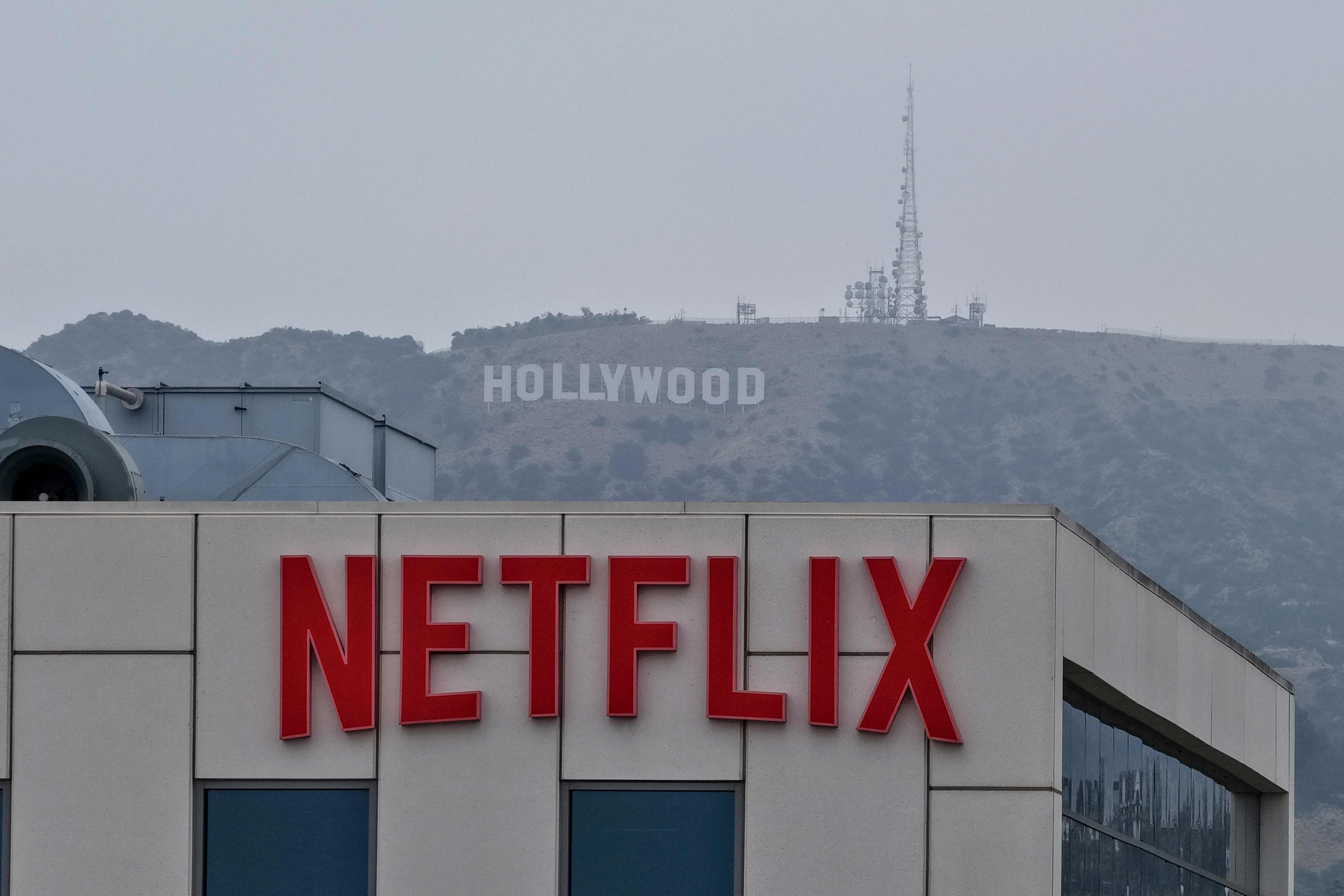
Paramount’s headline defence has been that a combined company would be a stronger streaming rival to Netflix and Amazon, framing the deal as pro-competitive. The judge would not accept that trade. In a footnote she wrote that courts have “expressly and repeatedly rejected the defense that a challenged merger will result in economic efficiencies ancillary to competition in the relevant market.” Gains in streaming, in other words, cannot legally excuse harm in cable and theatrical. That reasoning matters because streaming is the argument Paramount most wants to win on, and it is the one the court treated as legally irrelevant to the harms alleged. It is a strategic narrative that has already drawn combative positioning between the players, with Paramount having accused Netflix of trying to sabotage the deal.
A Paramount spokesperson said the company was “grateful for the Court’s swift order,” characterising the restraining order as preserving “the status quo,” and maintained the states’ antitrust arguments are “without merit” and the merger “lawful, pro-competitive.” Bonta, for his part, called the ruling “a critical first win in our case to ensure this megamerger never sees the light of day.”
What it means for Paramount+ and Max viewers
For anyone watching Paramount or Warner Bros. content, nothing changes right now. The two companies remain separate and continue to operate their services independently, so Paramount+ and Max stay distinct with no confirmed shifts to catalogues, plans, or pricing. Any consolidation of libraries or apps that a merged company might pursue is, at minimum, paused for several weeks and possibly far longer if the injunction is granted.
In the UAE, that translates to short-term stability. Existing licensing arrangements continue under current contracts, meaning the platforms and partners carrying Paramount and Warner Bros. titles today keep doing so. There is no sourced evidence that the paused merger has changed availability or pricing for either service locally, and the longer-term question — whether a combined company would eventually rationalise content into fewer apps or reset global pricing — remains open rather than answered. Our sister site IGN Middle East has also covered the two-week pause.
The next real marker is Aug. 3, when the court hears the preliminary injunction. If the states prevail there, Paramount faces both a delay it can ill afford financially and a legal reading that dismantles its central defence. If it loses, the deal moves toward closing on a path that is difficult to reverse. Either way, this pause has clarified where the case will be won or lost — and it is not in streaming.