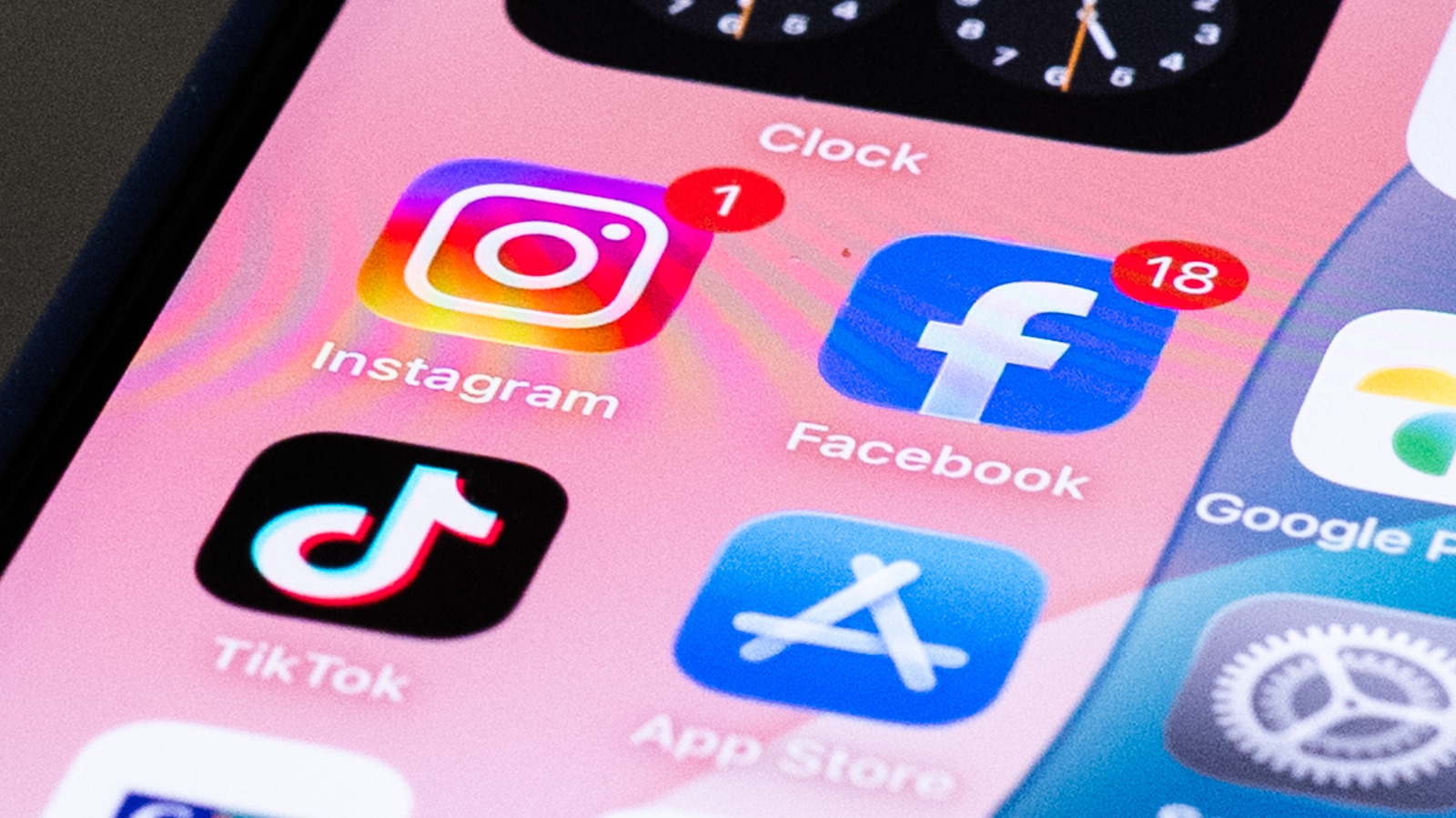
Meta has banned ads from TikTok’s Chinese parent, ByteDance, across Facebook and Instagram, widening a feud that has been building since the summer. Engadget reports that Meta confirmed the move on Thursday and defended it as ordinary commercial practice.
The ban covers ads and paid marketing from ByteDance, which Bloomberg describes as the company that remains in charge of key parts of TikTok in the US. It applies in the US, Canada, Egypt, Indonesia, Japan, Thailand and Vietnam, and also extends to third-party advertisers running campaigns that link to TikTok and other ByteDance properties in those countries. Reuters says it took effect immediately.
Meta spokesperson Chris Sgro told Bloomberg: “We don’t have to run ads from a competitor whose goal is to pull people off our apps.” Meta also said that declining promotional services to a competitor is “a normal business practice across industries”, and that it will keep competing on product quality and user experience.
How the feud got here
The ban follows a run of escalating moves. In August, Meta agreed to an $18 billion settlement with US states that required new child safety features on Facebook and Instagram. Since then, Bloomberg reports, Meta has pressed TikTok and YouTube to commit to similar changes, arguing it can’t fix industry-wide problems alone. Engadget adds that Meta has placed ads in major newspapers making the same demand, and has criticised TikTok for not appearing at several US government meetings on screen time and child safety.
TikTok has moved too. Last month it introduced measures that make it harder to shift from its app to other platforms, including removing dedicated Instagram links, according to Bloomberg. European regulators also wrote this summer that TikTok hasn’t done enough to protect minors, and said it could face a fine of up to 6% of annual revenue, Engadget says.
TikTok now operates in the US as a majority American-owned joint venture, following a deal meant to safeguard user data and avert a US ban, per Reuters. It has so far said very little publicly about Meta’s push.
Why it matters
Meta and TikTok compete for users, creators and ad budgets, and Bloomberg notes the imbalance between them: TikTok operates freely in Meta’s most important market, the US, while Meta can’t operate in China. For advertisers, the practical effect is that campaigns promoting TikTok or other ByteDance apps will no longer run on Meta’s platforms in the listed countries. Meta hasn’t said whether it will widen the list, and neither the UAE nor the wider Gulf is on it.
For background on the company at the centre of this, see our look at ByteDance’s rising valuation and Kaspersky’s data on which apps children use in the Middle East.
Which countries does the ban cover?
The US, Canada, Egypt, Indonesia, Japan, Thailand and Vietnam. Meta hasn’t announced any other markets.
Does it affect ordinary TikTok users?
Not directly. The restriction applies to ads and paid marketing placed on Meta’s apps, so you can still use both platforms as before.
Has TikTok responded?
Not in detail. Engadget says TikTok has so far said very little on the issue.