Radisson Hotel Group’s ChatGPT app converts bookings at roughly 1.5 times the rate of organic search, according to early results OpenAI shared. The figure comes from a new OpenAI case study. The app itself has been live since late July.
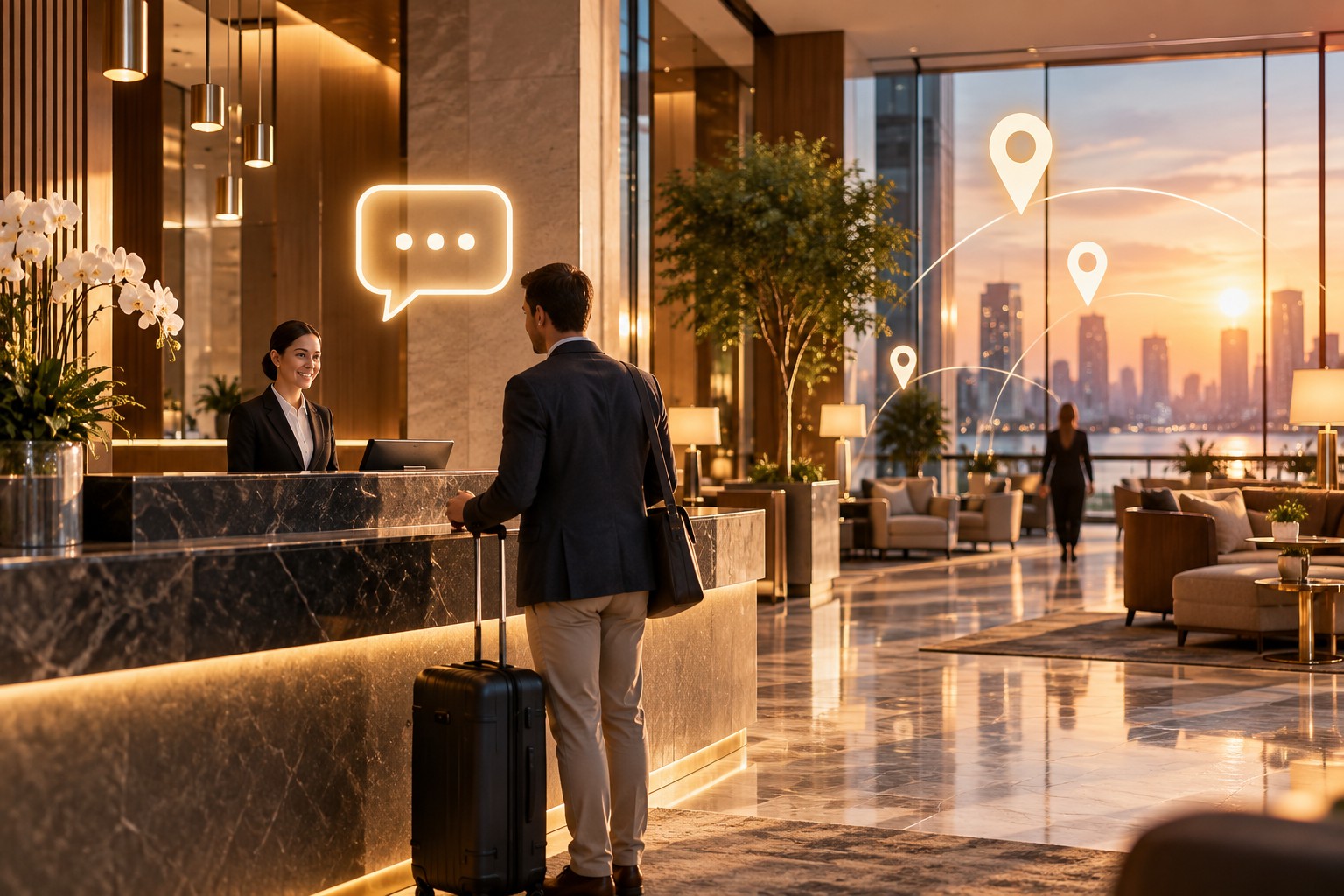
Radisson launched it on 28 July with Accenture. Travellers start a ChatGPT conversation with @RadissonHotels and ask for something specific, such as a family-friendly weekend in Amsterdam or a Paris hotel with a gym and spa near the Eiffel Tower. The app answers with matching Radisson properties, showing live inventory and rates, location context, amenities and an interactive map.
How it works
Booking isn’t completed in the chat. Travellers are sent to the Radisson Hotels website to reserve, which keeps the sale on the group’s direct channel. The app connects to Radisson’s existing systems for real-time hotel data, and Accenture says the project began with an MCP accelerator from its AI Merchant Center, a tool for structuring content, rates and inventory so AI assistants can read them.
Radisson says the app covers more than 1,000 hotels across over 100 countries. Per OpenAI’s write-up, the group is also among the early hospitality brands running sponsored placements in ChatGPT, pairing paid ads with the branded app as one discovery strategy. We’ve covered ChatGPT’s ad push before.
Gianni Di Fede, Radisson’s chief commercial officer, said the aim is to meet guests “in the planning moment” and steer those conversations to direct booking. Radisson also says traffic from organic and direct web channels, which have historically driven its online bookings, is giving way to touchpoints such as ChatGPT.
What’s planned
Radisson and Accenture plan to add deeper personalisation, loyalty recognition, in-chat booking, reservation management, trip changes and an AI concierge. None of that is live yet, and no dates have been given.
The numbers to treat with care
The 1.5x conversion figure is described as “early results” and is compared against Radisson’s organic search, not against its other paid channels. OpenAI doesn’t publish the sample size, period or definition of conversion in the material we could read. Accenture’s Consumer Pulse figures, which say 87% of travellers are open to an AI travel agent and 71% expect AI to influence at least half of their hotel or airline spend over the next year, are the consultancy’s own research and sit in a launch release.
Where this leaves the Gulf
Neither announcement says whether the app is limited by market, or whether GCC hotels are included beyond the general “over 100 countries” claim. Radisson describes its footprint as EMEA and APAC. Readers in the UAE should test it by searching for a stay in Dubai or Abu Dhabi and checking which properties and rates appear.
Radisson isn’t alone in moving travel into chat. Booking Holdings’ Lola agent offers live prices and direct bookings, and OpenAI has also been adding shopping features to ChatGPT.
How do I use the Radisson app in ChatGPT?
Start a new conversation and type @RadissonHotels at the start of your prompt, then describe the trip you want. The app returns Radisson properties with live rates and a map, and sends you to the Radisson Hotels website to book.
Can I book a Radisson hotel inside ChatGPT?
Not yet. You complete reservations on Radisson’s website. In-chat booking is on the company’s planned feature list.
Does it include hotels in the UAE?
The announcements don’t say. They cite over 1,000 hotels in more than 100 countries but don’t break them down by region.