Stephen McFeely says a Hawkeye sacrifice was considered for the Vormir sequence in Avengers: Endgame, before women at Marvel argued that Black Widow should keep the scene’s heroic moment. The co-writer revisited the decision during a Q&A after an Avengers: Endgame Encore screening in Minnesota over the weekend, as IGN reported on 29 September.
McFeely said the writers needed two characters who loved each other to face the Soul Stone’s price. Natasha Romanoff and Clint Barton were the obvious pairing because they had worked together across the Avengers films, even though their relationship was platonic. Forbes’ Tim Lammers, who moderated the Q&A, reported McFeely’s comments.
Marvel’s official Endgame character poster shows Natasha alone. It is promotional character art, not a frame from the Vormir scene.

Hawkeye sacrifice: the version McFeely tried
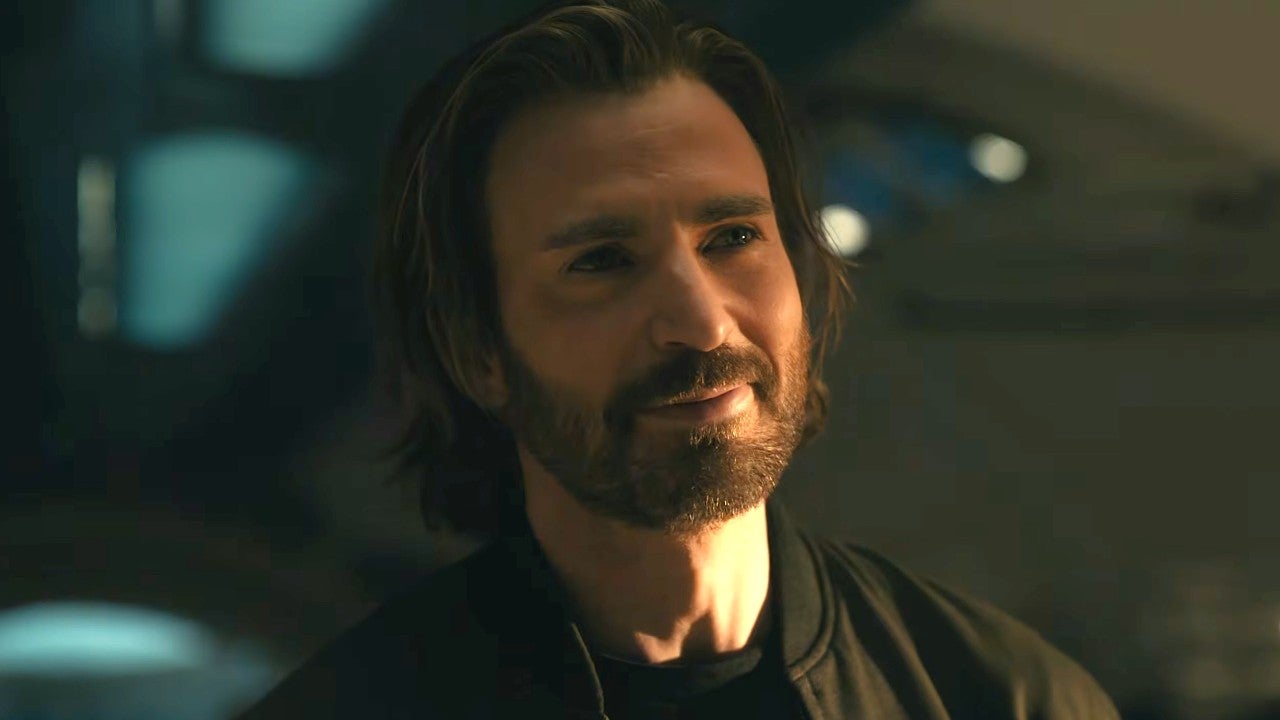
The writers knew a death would be needed when the story returned to Vormir, where the Soul Stone could only be claimed through a loved one’s sacrifice. McFeely said Black Widow was their preferred choice, but he and co-writer Christopher Markus tried an alternative in which Hawkeye died instead.
That idea met resistance from women working at Marvel, who told McFeely they did not want Natasha’s heroic moment transferred to Clint. He recalled their response this way:
“Don’t you do this to her. Don’t you take her heroic moment and give it to him.”
Stephen McFeely, recalling Marvel colleagues’ response
McFeely said he accepted the argument. In his retelling, their objection was not that Natasha should avoid a fatal choice; it was that Clint should not receive her heroic moment. The Hawkeye sacrifice would have shifted that choice from Natasha to Clint.
In the released film, she chooses to save Clint and secure the Soul Stone, closing her story through a decision made for the family she found among the Avengers.
Why Natasha’s ending fitted the story
McFeely gave two reasons for preferring Natasha. He said she was the greater hero in the situation and that she had spent much of her life trying to clear the “red in her ledger”. When she found the Avengers, he said, they became a new family; saving them gave her sacrifice a personal meaning.
Clint’s story pointed in another direction. He had a wife and children waiting for him if the Avengers reversed Thanos’ snap. The film’s Vormir sequence puts both characters’ motives in direct conflict: each tries to give up their life so the other can return home. Natasha’s choice leaves Clint with his family and gives her the final act of her own redemption story.
Marvel’s official Black Widow refresher describes Natasha as an Avenger since the group’s early days and frames Endgame as her effort to put right what Thanos had done. McFeely’s account connects that history to the choice on Vormir, rather than treating the scene as a coin toss between two equally interchangeable characters.
The alternate ending was discussed before
McFeely’s comments are new context, not the first record of an alternate outcome. In a 2019 Vanity Fair interview with McFeely and Markus, the writers discussed discarded storylines from Endgame. The recent Q&A adds the reaction from Marvel colleagues who persuaded him that the change would take Natasha’s defining moment away from her.
McFeely also revisited the limited space the film gave Natasha’s death in Forbes’ report of the Q&A. The sacrifice lands at the end of Act Two, with the Avengers still needing to reverse the snap and face Thanos again. He said the film had little time to mourn her before the final battle.
That trade-off is part of why the scene continues to be discussed. The plot moves quickly from the cost of the Soul Stone to the fight that ends the film, leaving Natasha’s absence to be acknowledged in brief exchanges rather than a longer pause.
Endgame Encore brings the discussion back
The Q&A followed a Minnesota screening of Avengers: Endgame Encore, which returned the film to cinemas ahead of Avengers: Doomsday. Our Endgame Encore runtime report covers what changed in the re-release.
The discussion also sits alongside other paths the film’s makers considered. The Russos nearly showed Steve Rogers returning the Infinity Stones in a separate scene, another choice that would have changed how the film resolved an important character’s journey. In Natasha’s case, McFeely’s colleagues helped keep the sacrifice attached to the character whose story it completed.
Was the Hawkeye version of the Vormir scene filmed?
Yes. Stephen McFeely told Vanity Fair in 2019 that an alternate sequence had been shot with Hawkeye as the sacrifice.
Does Avengers: Endgame Encore include the alternate scene?
No report says the alternate Vormir sequence was restored for Encore. The Q&A revisits the decision; the released story still has Natasha make the sacrifice.
Did McFeely regret choosing Black Widow for the sacrifice?
No. McFeely said he was proud of the moment and had no regrets about the choice; his regret was that the film had little time to mourn Natasha afterwards.
What would Hawkeye’s death have changed about Endgame?
The public account describes an alternate sacrifice, not a complete alternate cut. Clint’s return to his family would have been lost or rewritten, but the sources do not describe how the rest of the final act would change.