The Steam Machine’s $1049 starting price does not tell us exactly what the PlayStation 6 will cost, but it shows how hostile the hardware market has become.
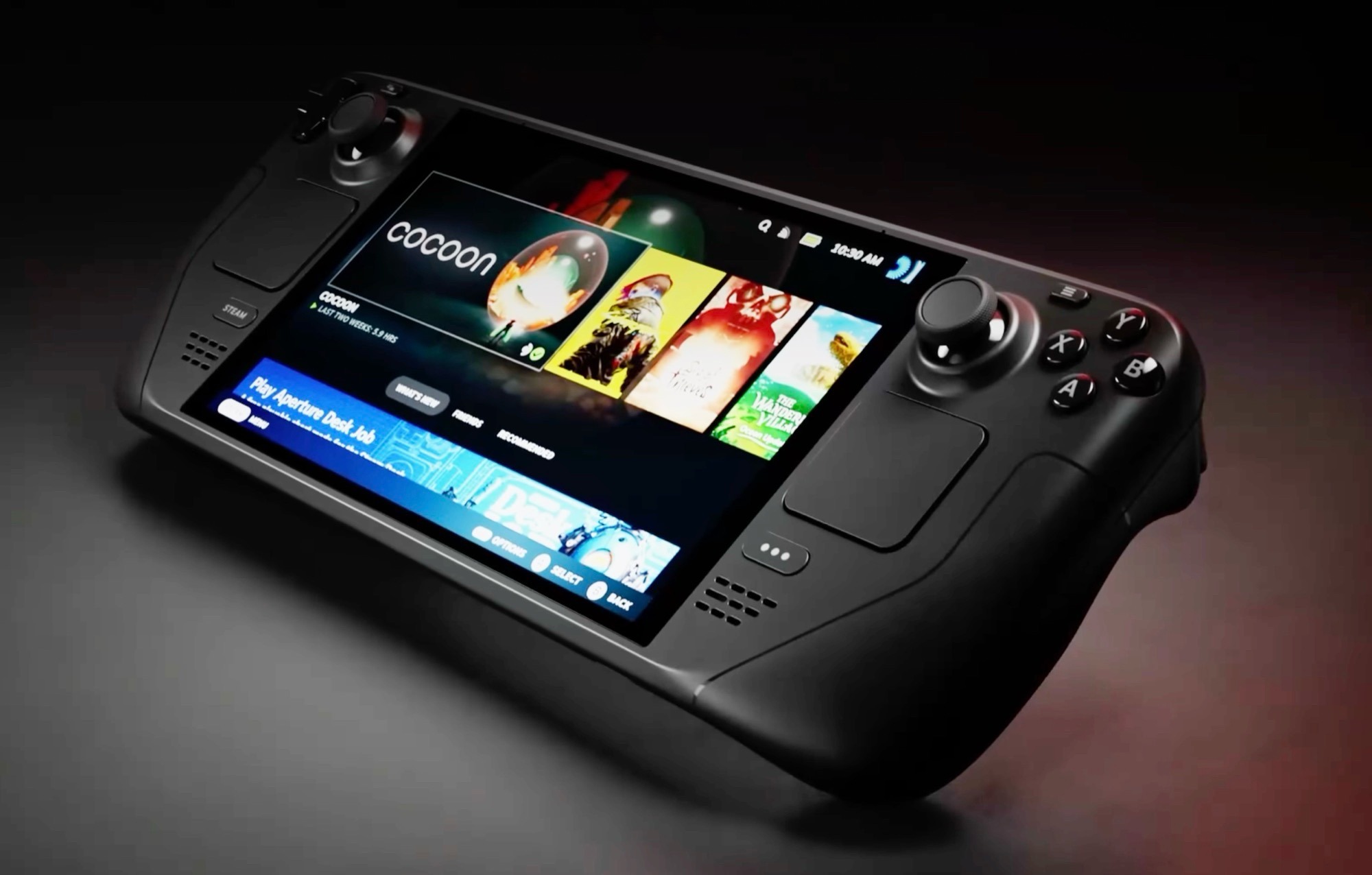
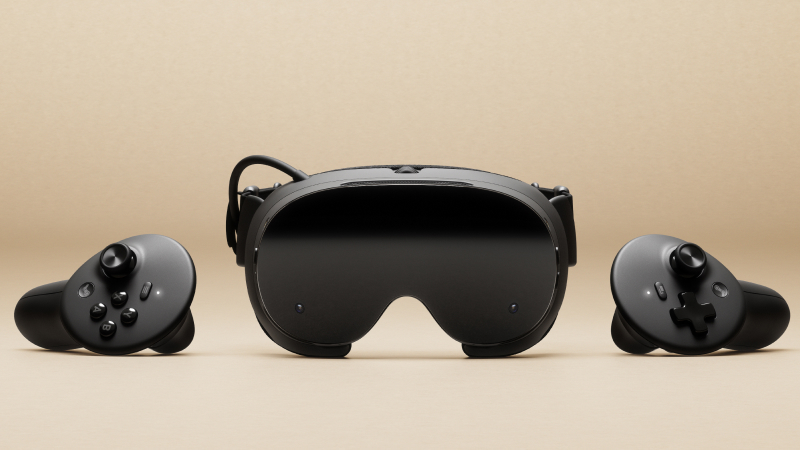
Valve has finally priced the Steam Machine, and it is expensive. The 512GB model costs $1049 without a controller, while the 2TB version jumps to $1,349.
The Steam Machine is not a traditional console. It is a compact, open PC running SteamOS, and Valve is not subsidising the hardware in the way Sony or Microsoft can. So no, this does not mean the inevitable PS6 will suddenly cost $1,000+.
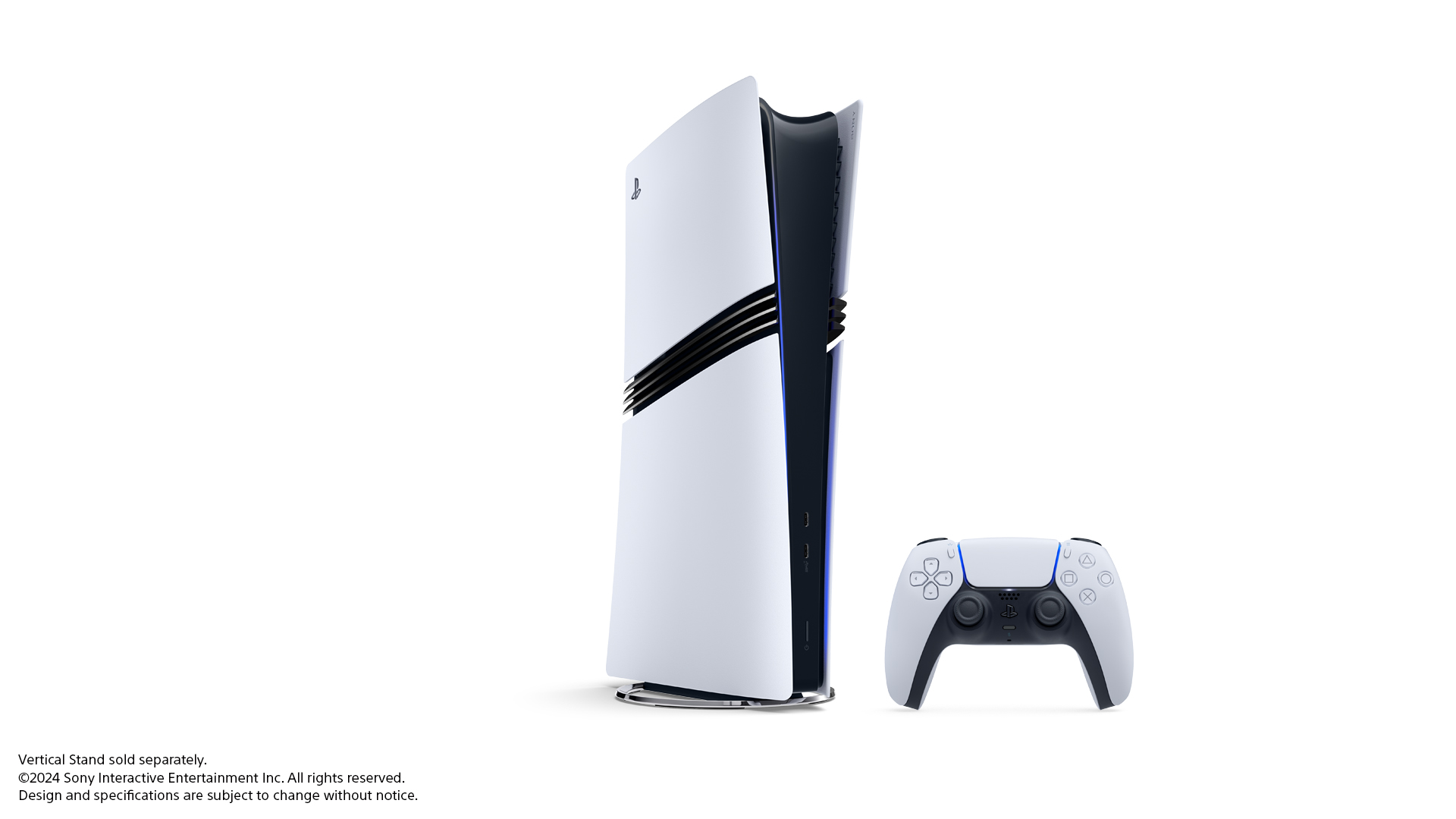
But with the PS5 getting consistent price increase, the PS5 Pro now costing $900, it is still a warning.
Memory and storage prices have gone through the roof, supply is tight, and Sony itself has warned investors that increased memory prices and shortages could affect its console hardware business. Producing a much more powerful console at the familiar $499-$599 price point may be difficult.
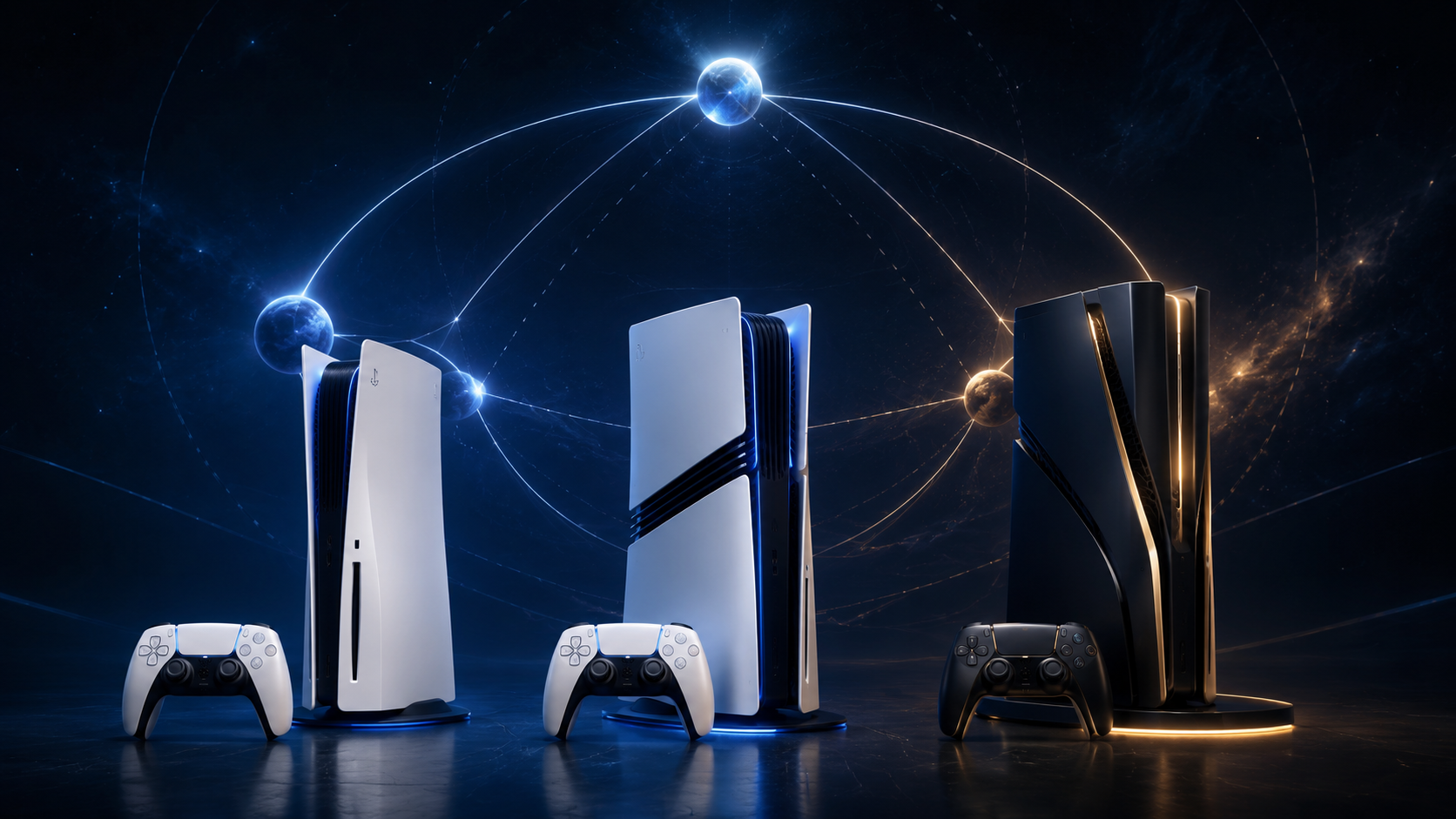
Sony could launch an expensive PS6 and face the inevitable backlash and controversy. Or it could rethink the entire idea of a clean generational break. Instead of replacing one console with another, Sony could keep three systems active at once, each serving a clear role in the same ecosystem.
I am calling this the three-body solution.
The PS5 Becomes the Entry-Level PlayStation
Under this system, the PS5, PS5 Pro and PS6 would all remain active parts of the same generation.
The standard PS5 becomes the entry-level machine. It would run new games with reduced settings, lower internal resolutions and more basic upscaling. A. demanding game might target 30fps on the PS5 while offering 60fps on more powerful hardware. Ray tracing, texture quality and crowd density could be scaled back where possible.
PC games already run across a comically wide range of hardware, while developers have spent this generation supporting both Xbox Series consoles. Three fixed PlayStation specifications should be easier to manage than the thousands of PC configurations developers already deal with.
More importantly, it keeps the PS5 relevant. Sony said the console had exceeded 92m units shipped by the end of 2025. Walking away from an audience that large would make little sense, especially if the next machine launches at a price many players cannot afford.
The PS5 Pro Becomes the Middle Tier
The PS5 Pro would sit in the middle, which may finally give it a clearer long-term purpose.
It already has a stronger GPU and Sony’s upgraded PSSR image reconstruction. In this setup, it could offer higher resolutions, improved RT and more reliable 60fps modes than the standard PS5. Perhaps Sony could eventually squeeze some form of frame generation out of it, as Mark Cerny did recently hint towards.
The Pro would deliver a better version of the same games without demanding the price of Sony’s newest hardware. It would become the bridge between generations instead of looking outdated the moment the PS6 arrives.
The PS6 Becomes the High-End Option
At the top would be the PS6, offering higher frame rates, better RT, denser environments, faster loading and whatever neural rendering tech Sony and AMD cook up next.
It would be sold as the best place to play new PlayStation games, rather than immediately becoming the only place to play them.
This gives Sony room to charge more without forcing everyone into an upgrade for the entire new generation. The people who want the best image quality and performance can jump in early. Everyone else can continue playing on the PS5 or move up to a discounted PS5 Pro.
Sony sells premium hardware, developers retain access to a huge audience, and players upgrade when their wallets allow it. That sounds like a win-win to me.
No PS6 Exclusives. At All.
The entire point of this idea is simple: there are no PS6 exclusives. Not at launch, not after two years, not ever within this “shared” generation.
Think of it like NVIDIA’s GPU lineup. RTX 20, 30, 40 and 50 series cards all run the same games. The experience scales depending on your hardware, but access is never locked behind a specific tier. That is the model Sony should follow.
Yes, there is a valid concern that supporting older hardware can hold games back. Graphics settings scale easily, but CPU-heavy systems, simulation, world density and certain mechanics are harder to dial down. Developers will need to design with a wider range of capabilities in mind.
But that is already the reality on PC, and it has not stopped developers from pushing tech forward. It simply changes how they approach scalability.
Under this system, every first-party PlayStation game would be built to run across PS5, PS5 Pro and PS6. The baseline experience exists on the PS5, while the Pro and PS6 unlock higher frame rates, better RT, denser worlds and more advanced rendering technqiues.
The PS6 still delivers the best version of every game. It just does not gate access to them.
This removes the pressure to upgrade immediately, keeps the massive PS5 install base engaged, and allows Sony to sell premium hardware without fragmenting its audience. Players upgrade when they want better performance, not because they are forced to.
It is a cleaner, more consumer-friendly approach to a generation that is and will be constantly hampered by increasing component costs. RAM prices are going nowhere south, chip makers will increasingly look to balloon their profit margins, and in this unprecedented times, and as much as this solution feels absurd, it could be the only solution to the pricing problem.
Xbox Can Try This Too, but There Is a Problem
Microsoft could attempt something similar with Project Helix, its confirmed next-generation Xbox. The Series S becomes the entry point, the Series X sits in the middle and Helix takes the premium position.
Unfortunately, the Xbox Series S is where this lovely theory starts coughing. It is already the most difficult current-generation system to accommodate, and carrying it deep into another generation could place too many restrictions on developers.
But this also depends on if Microsoft does indeed want to go the PC-route with Helix. There have been rumors, and new CEO Asha Sharma also hinted that Project Helix could be a PC-like open-ended system, not in terms of hardware scalability, but open to other PC storefronts like Steam and Epic Games Launcher. This will be a departure for Microsoft and Xbox in terms of how they present the next console, and whether it offer similar functionality like Steam Machine.
Sony has a cleaner path. The PS5 remains capable, while the PS5 Pro provides a natural middle step.
A New Generation Without Starting Again
The Steam Machine is not proof that the PS6 will cost a fortune. Valve follows a different business model and refuses to lock people into a closed platform to recover hardware losses.
But its price is the clearest sign yet that powerful gaming hardware is becoming harder to sell cheaply. Sony may have to choose between launching the PS6 at an uncomfortable price or limiting how large a technical leap it can make.
The three-body solution gives it another option. Keep the PS5 as the affordable model, turn the PS5 Pro into the middle tier and let the PS6 exist as the premium machine.
A new console generation does not have to begin by killing the old one. This time, it may be smarter to let all three survive together.