Xiaomi has committed approximately $8.8 billion (60 billion yuan) to AI investments over the next three years, aiming to embed advanced AI capabilities across its entire hardware ecosystem. As reported by South China Morning Post, this substantial investment targets everything from smartphones and smart home devices to the company’s electric vehicle lineup, including the SU7 and upcoming YU7.
Key Takeaways
- Xiaomi is investing $8.8 billion in AI over the next three years to integrate advanced capabilities across its entire product ecosystem.
- The investment will enhance smartphones, smart home devices, and electric vehicles including the SU7 and upcoming YU7.
- HyperOS will serve as the foundation for AI integration, with ambitions for in-house chip development.
- This positions Xiaomi competitively against tech giants like Huawei, Apple, and Samsung in the AI race.
What is Xiaomi’s $8.8 billion AI strategy?
According to CEO Lei Jun, “AI is an absolute must-have for Xiaomi, and it is the most important long-term strategy.” The $8.8 billion commitment spans three years and focuses on creating a unified AI experience across Xiaomi’s diverse product portfolio. This isn’t just about adding smart features — it’s about fundamentally reimagining how devices work together.
The investment will flow into AI research and development, integration across hardware categories, in-house chip design capabilities, and advancing HyperOS as the foundation for AI functionality. For a company that built its reputation on affordable smartphones, this represents a significant strategic shift towards premium, AI-powered experiences.
The timing matters. While competitors like Apple integrate AI into established ecosystems and Samsung adds Galaxy AI to flagship phones, Xiaomi is building AI integration from the ground up across completely different product categories — from the Xiaomi 15T Pro to electric vehicles.
How will AI transform Xiaomi’s product ecosystem?
HyperOS will serve as the central nervous system connecting Xiaomi’s smartphones, smart home devices, and electric vehicles through AI. Rather than isolated smart features, users can expect seamless interaction between devices — your phone understanding your driving patterns to pre-condition the SU7, or smart home devices learning from your schedule automatically.
For smartphones, AI integration goes beyond the camera improvements seen in recent launches. Future Xiaomi phones will likely feature more sophisticated voice assistants, predictive performance optimization, and cross-device continuity. The company’s existing smart home ecosystem stands to benefit significantly, with AI enabling more intuitive automation and energy management.
The electric vehicle segment presents the biggest opportunity. The SU7 already incorporates advanced driver assistance, but the AI investment suggests autonomous capabilities and more sophisticated in-car experiences for both the SU7 and the upcoming YU7 model.
What does in-house chip development mean for Xiaomi?
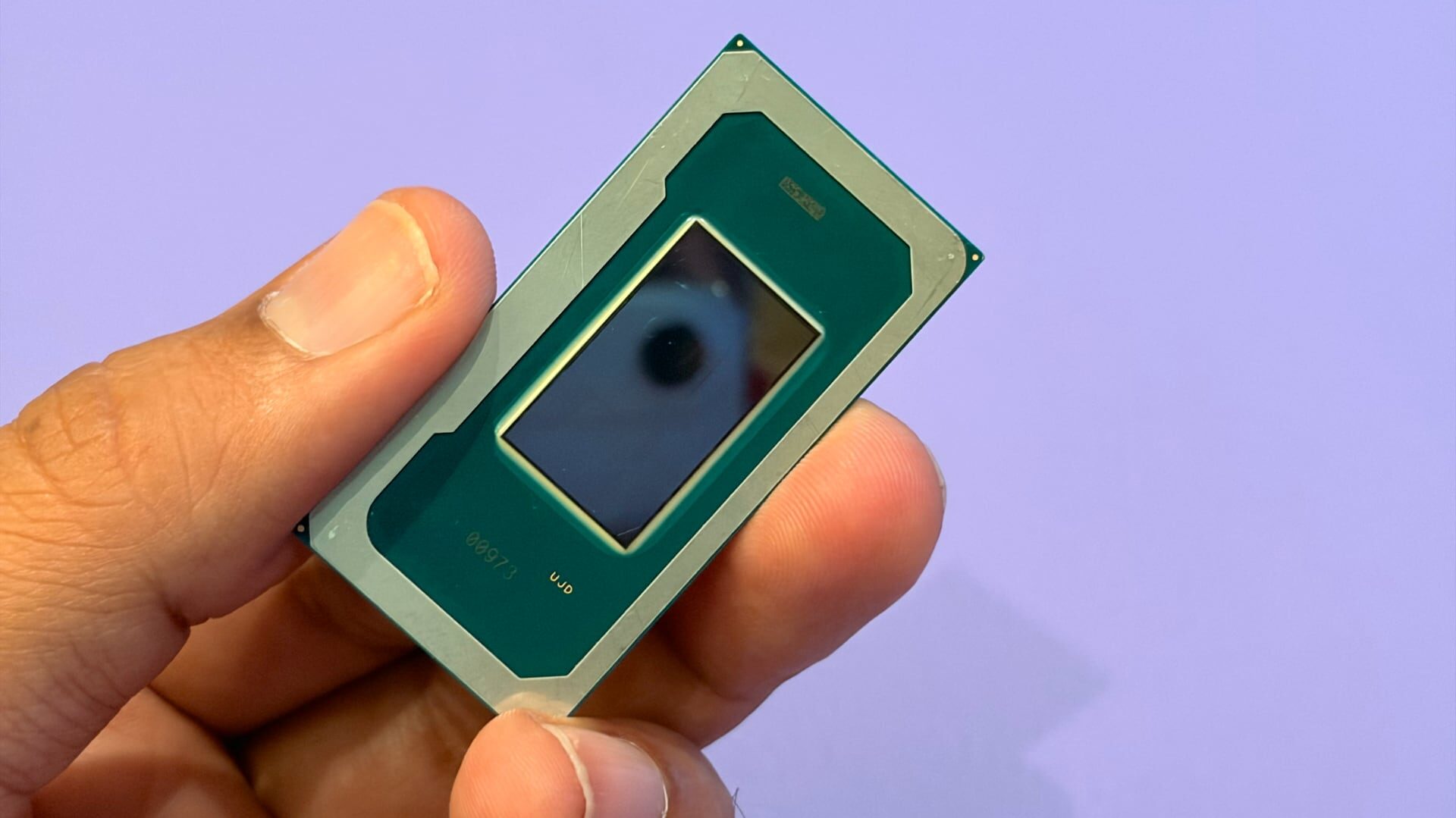
Xiaomi’s chip design ambitions represent a crucial component of its AI strategy, potentially reducing dependence on external suppliers and enabling more optimized AI performance. According to the investment breakdown, developing in-house silicon capabilities will allow Xiaomi to create processors specifically designed for its AI workloads across different device categories.
This follows a trend among major tech companies — Apple’s M-series chips excel at machine learning tasks, while companies like Chinese EV manufacturers are investing heavily in custom automotive chips. For Xiaomi, in-house chips could mean better battery efficiency, faster AI processing, and features that competitors using off-the-shelf processors can’t match.
The challenge lies in execution. Chip development requires massive upfront investment and years of refinement. However, successful implementation could give Xiaomi a significant competitive advantage, particularly in the premium smartphone market where the company has traditionally struggled against Apple and Samsung.
How does this position Xiaomi against tech giants?
The $8.8 billion investment signals Xiaomi’s determination to compete directly with Huawei, Apple, and Samsung in the AI arms race. While Apple focuses on device-level AI optimization and Samsung emphasizes cloud-powered features, Xiaomi’s approach spans multiple hardware categories united by HyperOS.
This strategy could prove particularly effective in markets like the UAE, where Xiaomi already has strong smartphone and smart home presence. The ability to offer a cohesive AI experience across phones, home devices, and potentially electric vehicles creates a compelling value proposition that individual product excellence can’t match.
The competitive context matters for UAE consumers. As AI becomes standard across smartphone flagships, Xiaomi’s ecosystem approach could offer more practical benefits than isolated AI features. The question is whether three years is sufficient time to execute this vision effectively.
What this means for Xiaomi users worldwide
For existing Xiaomi users, this investment promises more intelligent, integrated experiences across their devices. HyperOS updates will likely introduce new AI-powered features that work seamlessly between phones, laptops, smart home devices, and potentially vehicles.
The UAE market stands to benefit particularly from this strategy. Xiaomi’s strong local presence in smartphones and smart home devices creates a foundation for ecosystem adoption. As the company’s AI capabilities mature, UAE users could access advanced features like predictive device management, intelligent energy optimization, and seamless multi-device workflows.
However, the real test lies in execution. While $8.8 billion demonstrates commitment, transforming that investment into user-facing improvements across multiple product categories requires careful coordination. The success of this strategy will ultimately be measured not in investment dollars, but in whether Xiaomi can deliver AI experiences that genuinely improve daily life for users worldwide.
Timeline and market impact
Xiaomi’s $8.8 billion AI investment will unfold over three years, with initial implementations likely appearing in 2025 smartphone releases and smart home device updates. The company has not announced specific UAE pricing or availability details for AI-enhanced products, though existing devices like the SU7 electric vehicle are expected to receive AI capability updates through software releases.
For UAE consumers, the investment suggests more competitive Xiaomi products across categories, potentially offering advanced AI features at more accessible price points than traditional premium brands.
Frequently Asked Questions
What is Xiaomi investing in AI?
Xiaomi is investing approximately $8.8 billion (60 billion yuan) in AI over the next three years. The investment focuses on AI research and development, integration across smartphones and smart home devices, electric vehicle AI capabilities, and in-house chip design.
How will AI impact Xiaomi products?
AI will be integrated across Xiaomi’s smartphones, smart home devices, and electric vehicles through HyperOS. This will enable seamless device interaction, predictive performance optimization, intelligent automation, and enhanced user experiences across the entire ecosystem.
What is HyperOS?
HyperOS is Xiaomi’s operating system that will serve as the foundation for integrating AI capabilities across the company’s diverse hardware portfolio. It will enable unified experiences between smartphones, smart home devices, and electric vehicles.
Does Xiaomi make its own chips?
Xiaomi is developing in-house chip design capabilities as part of its $8.8 billion AI investment. This aims to create processors specifically optimized for AI workloads across different device categories, reducing dependence on external suppliers.