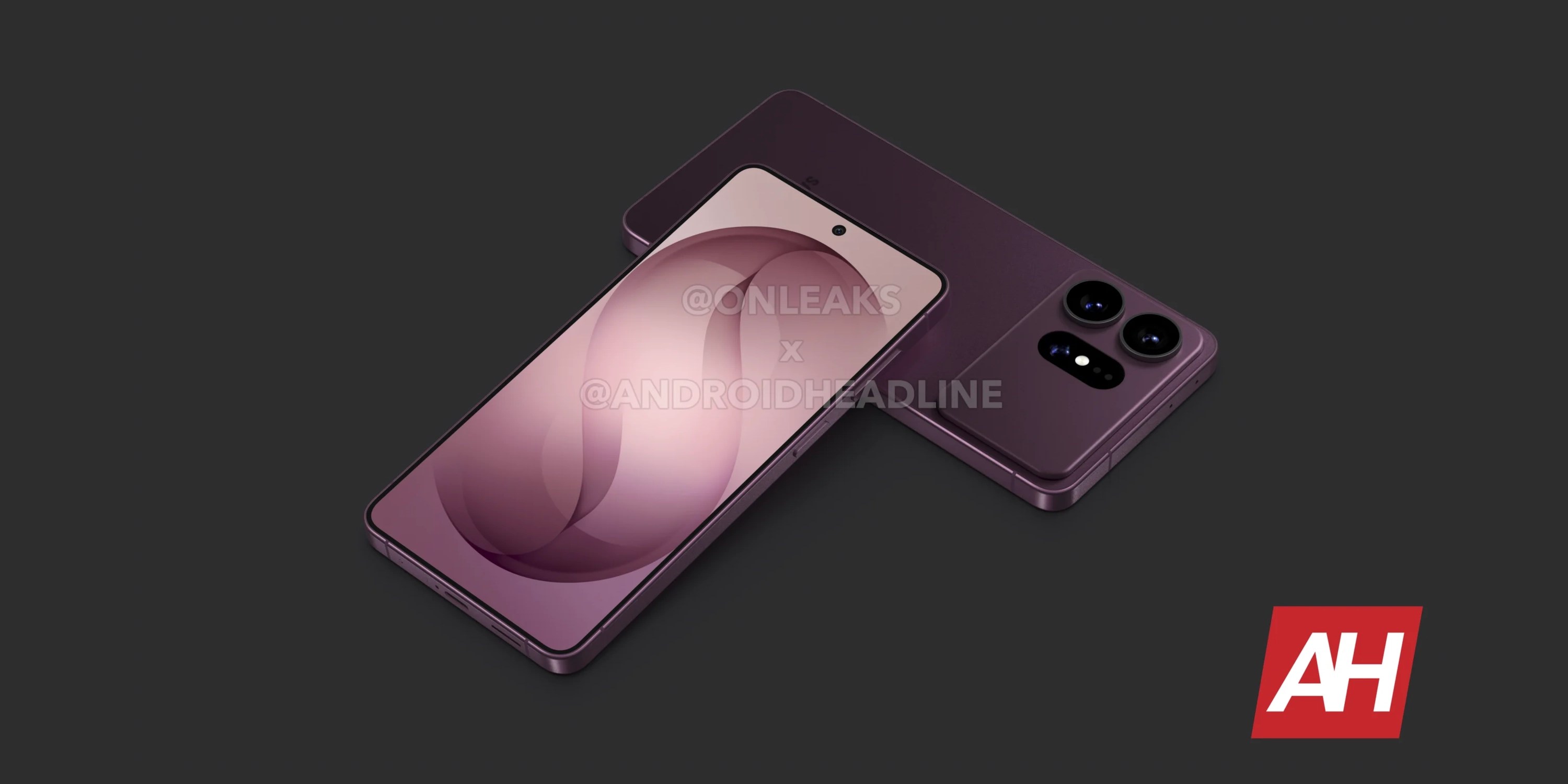
Samsung has unveiled three foldables at once — the Galaxy Z Fold8, the Galaxy Z Fold8 Ultra, and the Galaxy Z Flip8 — at an event in London on 22 July 2026. The company is calling it its “most complete” Galaxy Z lineup, which is the polite way of saying it has decided one foldable shape is no longer enough. There is now a Fold for immersion, an Ultra Fold for work, and a Flip for everyone who wants a phone that fits in a pocket.
The thing is, splitting a product line into three is a strategy borrowed straight from the S-series playbook, where the Ultra badge has done most of the heavy lifting on price and margin for years. Applying it to foldables gives Samsung a cleaner way to charge more for the big one without pretending the cheaper one is a compromise.

What is the Price of the Samsung Galaxy Z Fold8 in the UAE?
UAE appetite for these devices is not in doubt — Samsung’s tri-fold experiment showed that clearly, with the Galaxy Z TriFold selling out in the UAE within minutes when it went on sale here, and the new Z Fold8 series is sure to be a hit. Here’s what it will cost you to buy them.
| Galaxy Z Fold8 Ultra (1 TB) | AED 10,399 |
| Galaxy Z Fold8 Ultra (512 GB) | AED 8,799 |
| Galaxy Z Fold8 Ultra (256 GB) | AED 7,999 |
| Galaxy Z Fold8 (1 TB) | AED 9,599 |
| Galaxy Z Fold8 (512 GB) | AED 7,999 |
| Galaxy Z Fold8 (256 GB) | AED 7,199 |
| Galaxy Z Flip8 (512 GB) | AED 5,499 |
| Galaxy Z Flip8 (256 GB) | AED 4,699 |
What actually changed with the Fold8 and Fold8 Ultra?
The most concrete upgrades are on the hardware. The Fold8 Ultra is Samsung’s slimmest Z Fold to date at 4.1mm when unfolded and 215g, according to Samsung, with an 8-inch main display aimed at multitasking and content creation. The standard Fold8, meanwhile, is Samsung’s lightest Fold yet at 201g, and switches to a 10:16 cover screen and a 4:3 main display — ratios Samsung says are tuned for reading, watching, and gaming rather than raw productivity.
On cameras, the Ultra carries a 200MP main sensor, which Samsung says now supports HDR in full-resolution mode, paired with a new 50MP ultrawide. Specs-wise, you’re getting a Snapdragon 8 Elite Gen 5 for Galaxy chip, a 5,000mAh battery, and 45W wired charging. For context, that battery is a meaningful jump from the 4,400mAh in the Fold7, which matters on a device with an 8-inch screen to feed.

The standard Fold8 gets dual 50MP cameras, a 4,800mAh battery, and the same Snapdragon platform. The Flip8 is the vaguest of the trio — Samsung calls it “the sleekest one yet” and leans on its AI-native FlexWindow, but has not published a spec sheet, so battery, camera, and display details are not yet confirmed.
Is the titanium screen tech genuinely new?
Samsung’s headline structural change is Flex Titanium, a display structure it says combines a titanium-alloy film with an enhanced titanium plate to make the foldables thinner while cutting crease visibility over time. Our colleagues at PCMag Middle East flagged the titanium substrate teaser ahead of the launch, and it does appear to be a real departure from the Armor Aluminium and ultra-thin glass sandwich earlier Folds used.

Whether it holds up is a question for long-term use, not a launch-day press release. The crease has been the foldable’s most stubborn flaw since the first Fold, and every generation has promised to make it less visible. This is the first time the fix is being sold as a change to the display’s underlying structure rather than the hinge, which is at least a more honest place to attack the problem.
Both Folds also carry Galaxy AI tuned to each form factor, plus Gemini Intelligence for multi-step tasks. Samsung is not detailing Arabic or UAE-specific language support, so UAE buyers should not assume localised AI features until Samsung says so.